Zambia is a vibrant country rich in cultural heritage, and its major holidays reflect the diverse traditions and history of its people. From national celebrations to traditional festivals, these special days offer a glimpse into the heart of Zambian life.
Whether it’s marking independence or honoring ancestral customs, each holiday carries unique significance. Understanding these occasions helps us appreciate Zambia’s identity and communal spirit.
Join me as we explore the fascinating holidays that shape this beautiful nation. Let’s dive in and discover the details together!
Embracing Freedom and National Pride
Celebrating the Journey to Independence
Independence Day in Zambia is more than just a date on the calendar—it’s a vibrant celebration of the country’s hard-fought freedom from colonial rule.
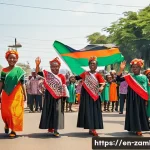
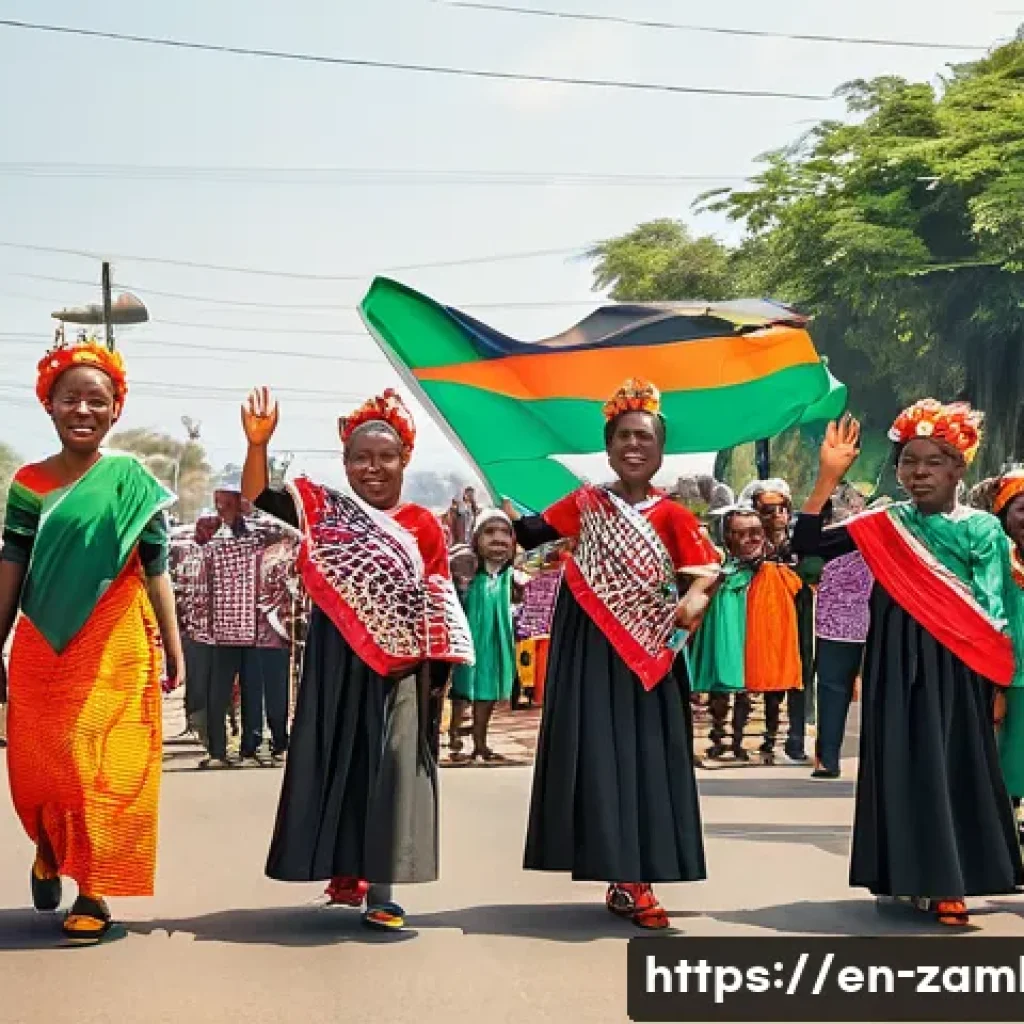
Every year on October 24th, Zambians come together in a colorful display of patriotism, featuring parades, speeches, and cultural performances that reflect the nation’s rich diversity.
I remember attending one of these celebrations and being struck by the pride that radiated from everyone, young and old alike. The day serves as a powerful reminder of the sacrifices made by past generations, inspiring a collective sense of unity and hope for the future.
Honoring Heroes and Their Legacy
Heroes Day, observed just before Independence Day, is dedicated to remembering the individuals who played pivotal roles in Zambia’s liberation. This solemn occasion includes ceremonies at monuments and gravesites, where people lay wreaths and share stories of courage.
It’s a deeply emotional experience, especially when hearing firsthand accounts or local folklore passed down through families. For me, this day highlights the importance of acknowledging history’s impact on present-day freedoms, making it a meaningful time for reflection and gratitude.
Symbols of Unity and Progress
During these national holidays, you’ll notice the widespread display of Zambia’s flag and the singing of the national anthem. These symbols unite people across different regions and ethnic groups, reinforcing a shared identity.
Schools, government offices, and communities participate enthusiastically, often organizing competitions and exhibitions that showcase Zambian culture and achievements.
From my perspective, this collective celebration of unity and progress creates an atmosphere charged with optimism and national pride that lasts well beyond the holiday itself.
Traditional Festivities Rooted in Ancestral Customs
Reverence Through Rituals
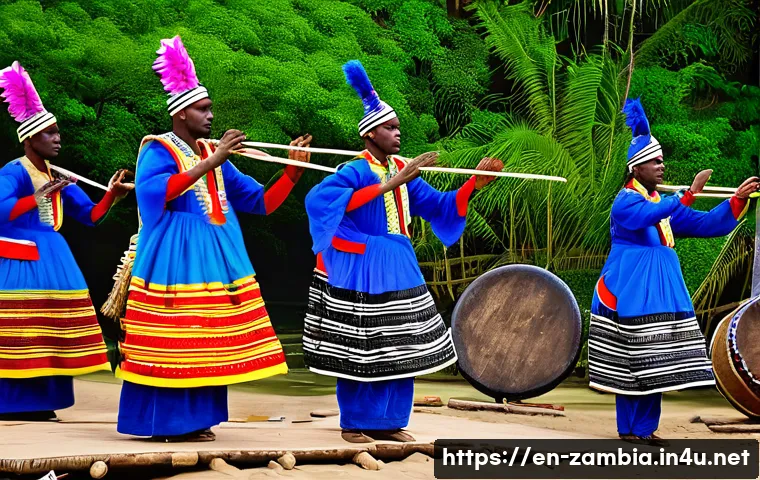
Traditional festivals in Zambia often revolve around honoring ancestors and the natural cycles that sustain communities. One striking example is the Kuomboka ceremony of the Lozi people, where the king’s journey from the flooded plains to higher ground is marked by elaborate boat processions and music.
Witnessing such events firsthand, I was amazed at how deeply intertwined these customs are with the environment and community values. These rituals serve not only as cultural preservation but also as spiritual renewal, connecting present generations to their roots.
Community Bonding and Storytelling
Many traditional holidays are occasions for storytelling, dance, and communal feasting. These gatherings provide an opportunity for elders to pass down wisdom and for younger members to learn about their heritage in an engaging way.
I recall joining a local festival where the atmosphere was electric—drumming, singing, and laughter filled the air, creating a sense of belonging that transcended everyday life.
Such experiences reveal how cultural festivities act as the glue that holds communities together, reinforcing social ties and shared identity.
Seasonal Celebrations and Agricultural Cycles
Some festivals align with agricultural milestones like planting or harvest seasons. These events are not just about celebration but also about expressing gratitude for nature’s bounty and seeking blessings for future crops.
Participating in these ceremonies gave me a deeper appreciation for the rhythm of rural life in Zambia and the respect that communities have for the land.
The ceremonies often include symbolic acts, such as offerings or dances, which reflect a harmonious relationship between people and their environment.
Expressions of Faith and Spiritual Heritage
Blending Traditional Beliefs with Christianity
Zambia’s religious landscape is diverse, with Christianity playing a significant role alongside indigenous spiritual practices. Many holidays reflect this blend, where church services coexist with traditional rituals.
I found attending such events fascinating, as they illustrate how faith adapts and merges with cultural identity. For instance, during Easter and Christmas, congregations often incorporate local languages, music, and customs, creating a unique spiritual experience that resonates deeply with the community.
Festivals Honoring Ancestral Spirits
Certain celebrations are dedicated solely to ancestral veneration, where rituals are performed to seek guidance and protection. These festivals may include offerings, dances, and communal prayers.
Being present at one such festival, I was moved by the solemnity and reverence shown by participants. It’s clear that these spiritual observances are vital for maintaining cultural continuity and providing a sense of security and belonging.
Impact on Social Cohesion
Religious holidays often serve as moments of social cohesion, bringing together people from various backgrounds. They foster forgiveness, reconciliation, and community support.
From personal experience, I noticed how these occasions encourage generosity and kindness, strengthening the social fabric. They also offer a platform for discussing social issues, reinforcing the role of faith as a force for positive change in society.
Festive Customs That Celebrate Community and Identity
Colorful Dress and Music
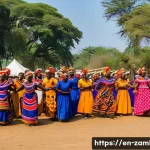
One of the most striking aspects of Zambian holidays is the vibrant traditional attire and music that fill the streets. Wearing brightly colored fabrics and beaded jewelry, people express pride in their ethnic heritage.
Drumming and dancing are central to celebrations, creating a lively atmosphere that invites participation. I found that these sensory experiences—sound, color, movement—are powerful ways of communicating cultural identity and joy.
Food as a Cultural Connector
Food plays a pivotal role in holiday celebrations, bringing people together around shared meals. Traditional dishes such as nshima (a maize-based staple) accompanied by relishes made from local vegetables and meats are common.
I remember enjoying these hearty meals during festival gatherings, where the act of eating together reinforced bonds and provided comfort. Sharing food is more than sustenance; it’s a ritual of hospitality and communal care.
Craftsmanship and Artistic Expression
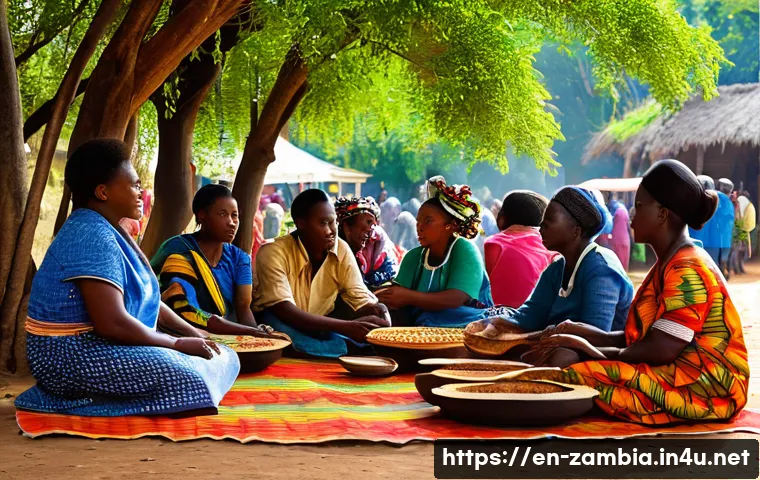
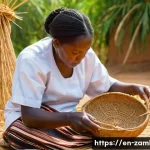
Holiday markets and fairs often showcase local crafts, from pottery to weaving to carving. These artistic expressions are not only economic activities but also ways of preserving and transmitting cultural knowledge.
I was impressed by the skill and creativity displayed, and purchasing these items felt like supporting a living heritage. Art and craft during holidays serve as tangible connections to tradition and innovation alike.
National Unity Through Shared Celebrations
Bridging Ethnic and Regional Divides
Zambia’s holidays often transcend ethnic and regional differences, providing opportunities for collective celebration. National events are designed to be inclusive, featuring performances and activities from various cultural groups.
I’ve noticed that this inclusivity helps reduce tensions and fosters mutual respect, as people appreciate the richness of each other’s traditions. Such unity is vital in a country with over 70 ethnic groups.
Government and Community Collaboration
Many holidays are supported by both government initiatives and grassroots organizations. This collaboration ensures that celebrations are well-organized and accessible, with infrastructure for events and media coverage promoting national pride.
From attending events sponsored by local councils and ministries, I observed how this partnership enhances the scale and impact of festivities, making them memorable and widely enjoyed.
Education and Youth Engagement
Schools and youth groups play a crucial role in holiday observances, participating in parades, competitions, and cultural presentations. This involvement educates younger generations about their heritage and instills a sense of belonging.
Having volunteered with youth programs during holiday events, I can attest to the enthusiasm and pride that young people bring, which bodes well for the preservation of Zambia’s cultural legacy.
Key Zambian Holidays at a Glance
| Holiday | When | Significance | Typical Activities |
|---|---|---|---|
| Independence Day | October 24 | Celebrates Zambia’s independence from colonial rule | Parades, speeches, cultural performances, flag displays |
| Heroes Day | October 25 | Honors those who fought for freedom | Wreath-laying ceremonies, remembrance events |
| Kuomboka Festival | Typically March/April | Marks the Lozi king’s move to higher ground during floods | Boat processions, traditional music, dancing |
| Christmas | December 25 | Christian holiday blended with local customs | Church services, family gatherings, festive meals |
| Farmers’ Day | First Monday of August | Recognizes the contributions of farmers | Awards, agricultural shows, community fairs |
Modern Influences on Traditional Celebrations
Urbanization and Festival Evolution
As Zambia’s cities grow, traditional holidays are adapting to urban settings. While rural areas maintain age-old customs, urban celebrations often blend modern entertainment with traditional elements.
Attending a festival in Lusaka, I noticed DJs mixing contemporary beats with traditional rhythms, creating a unique fusion that appeals to younger audiences.
This evolution reflects the dynamic nature of culture, balancing preservation with innovation.
Technology’s Role in Celebration
Social media and digital platforms have transformed how holidays are experienced and shared. People now livestream events and share photos, allowing Zambians worldwide to connect with their heritage remotely.
From my experience, this digital engagement has boosted interest in cultural festivals, encouraging diaspora communities to participate virtually and plan visits during key holidays.
Commercialization and Economic Opportunities
With growing attention to cultural tourism, some holidays have taken on a commercial dimension. While this brings economic benefits and wider recognition, it also raises concerns about authenticity.
Having spoken with local artisans and organizers, I sense a careful balance is sought to ensure that cultural integrity remains intact while leveraging economic opportunities.
This interplay between tradition and commerce is shaping the future of Zambia’s holiday celebrations.
Closing Thoughts
Zambia’s holidays beautifully showcase the nation’s rich history, diverse cultures, and deep spiritual roots. These celebrations foster a powerful sense of unity and pride among communities, blending tradition with modern influences. Experiencing these festivities reveals the vibrant spirit that connects generations and strengthens national identity. They remind us that honoring the past while embracing change is key to a thriving cultural future.
Useful Information to Keep in Mind
1. Zambia’s Independence Day on October 24th is a major national celebration marked by parades, cultural performances, and patriotic displays.
2. Heroes Day, observed the day after Independence, is a solemn occasion dedicated to honoring those who fought for the country’s freedom.
3. Traditional festivals like the Kuomboka ceremony highlight the connection between culture, nature, and community values.
4. Modern celebrations often blend traditional customs with contemporary music and technology, engaging younger generations.
5. Food, dress, and artistic crafts play essential roles in holiday gatherings, reinforcing cultural identity and social bonds.
Key Takeaways
Understanding Zambia’s holidays offers insight into how history, culture, and spirituality shape national unity. Celebrations not only honor past sacrifices but also promote social cohesion and cultural preservation. The evolving nature of these festivities demonstrates the balance between maintaining heritage and adapting to modern life, ensuring their relevance for future generations.
Frequently Asked Questions (FAQ) 📖
Q: What are some of the most important national holidays celebrated in Zambia?
A: Zambia’s key national holidays include Independence Day on October 24th, which commemorates the country’s freedom from British colonial rule in 1964. Another significant day is Heroes Day, observed on the first Monday of July, honoring those who fought for Zambia’s liberation and development.
These holidays are marked by patriotic ceremonies, cultural performances, and community gatherings that highlight national pride.
Q: How do traditional festivals in Zambia reflect the cultural diversity of its people?
A: Traditional festivals in Zambia are vibrant expressions of the country’s many ethnic groups, each with unique customs and rituals. For example, the Kuomboka festival of the Lozi people celebrates the movement of the king from flood-prone plains to higher ground, featuring colorful boats and traditional music.
Similarly, the Nc’wala festival of the Ngoni people honors the first fruits of the harvest with dancing and storytelling. These festivals showcase Zambia’s rich cultural mosaic and foster unity among its diverse communities.
Q: Why is it important to understand Zambian holidays when learning about the country?
A: Understanding Zambian holidays offers valuable insight into the nation’s history, values, and social fabric. These celebrations are more than just days off; they reflect the collective memory and identity of the Zambian people.
Experiencing or learning about these holidays helps outsiders appreciate the communal spirit, respect for tradition, and resilience that define Zambia.
It also deepens cultural awareness, making any visit or interaction with the country more meaningful and respectful.