7 Insider Secrets to Thriving in Zambia’s Local Life

webmaster

잠비아 현지 생활 체험 - **Vibrant Zambian Minibus Commute:** A bustling street scene in a major Zambian city, like Lusaka, u...

Hey everyone! Ever felt that tug, that irresistible urge to completely ditch the usual tourist spots and truly live like a local somewhere utterly new?

That’s precisely what pulled me to Zambia. I remember stepping off the plane, a mix of excitement and a tiny bit of nerves, knowing I was about to dive headfirst into a world of bustling markets, incredible flavors, and a heartwarming community spirit that you just don’t see in guidebooks.

Believe me, from navigating crowded *minibus taxis* to sharing stories over a delicious plate of *nshima*, it was an adventure that completely reshaped my view of travel and connection.

If you’re curious about experiencing life far beyond the polished facades, I’m about to spill all the details.

Embracing the Rhythmic Chaos of Zambian City Life

잠비아 현지 생활 체험 - **Vibrant Zambian Minibus Commute:** A bustling street scene in a major Zambian city, like Lusaka, u...

Stepping into the urban hustle of Lusaka, or any major town in Zambia, is an immediate sensory explosion. The vibrant colors, the constant hum of conversation, the tantalizing aromas from street food vendors – it’s a living, breathing entity that grabs you by the hand and pulls you in. Forget everything you thought you knew about orderly transport; here, getting around is an adventure in itself, a true testament to patience and a good sense of humor. I remember my first attempt at hailing a minibus taxi, standing awkwardly on the roadside, trying to decipher the complex hand signals and shouted destinations. It felt like trying to solve a puzzle in a foreign language while simultaneously dodging speeding cars. But soon enough, I got the hang of it, learning to trust the process and even enjoy the camaraderie of squeezing onto a shared bench with strangers, each with their own story to tell. It’s in these everyday moments, like the polite squeeze and murmured apologies as someone shuffles past, that you truly begin to feel the pulse of the city. You quickly realize that personal space is a luxury often left at the door, but it’s replaced by a comforting closeness, a shared journey that makes you feel less like an outsider and more like a participant in the grand theater of Zambian life. The sights you encounter from the window – bustling markets, children playing football, women expertly balancing goods on their heads – are a constant reminder that life here is lived out loud, raw, and undeniably beautiful.

Mastering the Minibus Taxi: A Crash Course in Local Commuting

Ah, the minibus taxi! These brightly painted, often overflowing vans are the lifeblood of Zambian public transport. As someone who’s always relied on personal cars or quiet metro lines, the initial experience was a delightful shock. You don’t just ‘catch’ a taxi; you become part of an ongoing, dynamic negotiation. There’s an art to knowing where to stand, how to signal, and most importantly, how to haggle (or at least confirm) the fare, often just a few Kwacha, before you even step inside. Once you’re in, be prepared for a cozy ride. Every inch of space is utilized, and you’ll find yourself sharing stories, or at least a laugh, with your fellow passengers. It’s a fantastic way to practice your Nyanja or Bemba greetings, and trust me, a genuine attempt at “Muli bwanji?” (How are you?) goes a long way. The conductors, with their incredible lung capacity and knowledge of every nook and cranny, are the unsung heroes, shouting destinations and collecting fares with impressive efficiency. I quickly learned that the journey is just as much about the destination as it is about the unexpected connections you make along the way. It taught me to loosen up, embrace the unpredictable, and find joy in the shared human experience.

The Art of Walking: Exploring Local Neighborhoods on Foot

While minibuses cover the main arteries, the real magic of Zambia unfolds when you trade wheels for your two feet. Strolling through local neighborhoods, away from the main roads, allows you to soak in the nuances of daily life that often get blurred by speed. I made it a point to spend at least a few hours each week just wandering, letting my curiosity lead the way. You’ll stumble upon hidden tuck shops, children playing creative games with makeshift toys, and the rhythmic sound of a tailor’s sewing machine humming from an open doorway. The smells are incredible too – a mix of charcoal smoke, freshly baked bread, and various spices from cooking fires. It’s an immersive experience that no guidebook can truly replicate. People are generally warm and welcoming; a friendly nod or a simple greeting can often spark a short, meaningful conversation. I found that walking not only kept me active but also allowed me to observe the small, beautiful details of community life – the vibrant murals, the communal water taps, the way neighbors effortlessly interact. It’s a grounding experience that connects you directly to the heartbeat of the place.

Savoring the Soulful Flavors: Culinary Adventures Beyond Nshima

My culinary journey in Zambia was nothing short of a revelation. Before arriving, my knowledge was pretty much limited to the ubiquitous “nshima,” the staple maize porridge that forms the backbone of almost every meal. And yes, nshima is fantastic – especially when paired with a rich, savory relish. But what truly blew my mind was the sheer diversity and depth of flavors hidden within Zambian kitchens and street stalls. This wasn’t just about eating; it was about understanding culture, community, and the ingenuity born from local ingredients. I quickly learned that mealtimes are sacred, often shared affairs, and refusing an offer of food is almost unthinkable. From the smoky aroma of grilled kapenta (small dried fish) being prepared over an open fire to the sweet, comforting taste of vitumbuwa (fritters) bought from a roadside vendor, every bite told a story. I remember one particularly memorable evening, sharing a meal with a local family, where the conversation flowed as freely as the Mosi lager. They taught me how to properly eat nshima with my hands – a skill I painstakingly tried to master – and shared stories that illuminated their traditions. It was more than just nourishment; it was an act of communion, building bridges through shared plates and laughter. My taste buds were constantly surprised and delighted by the fresh, often spicy, and always flavorful dishes. The produce is incredibly fresh, often harvested that very morning, making every meal a celebration of the land’s bounty. You just don’t get that kind of freshness and connection to the source in most Western supermarkets, and it makes all the difference.

Street Food Delights: From Vitumbuwa to Chikanda

If you want to truly dive into Zambian culinary culture, the street food scene is where it’s at. It’s a symphony of sights, sounds, and smells that will awaken your senses. My personal favorite, and something I still dream about, are vitumbuwa – deep-fried doughnuts that are soft, slightly sweet, and utterly addictive. I’d grab a couple for breakfast with a cup of instant coffee, and it was the perfect start to any day. Then there’s chikanda, often called ‘African polony,’ a fascinating, savory dish made from a wild orchid tuber, groundnuts, and chili, giving it a unique, almost meaty texture. It’s usually served cold and sliced, perfect for a snack. And let’s not forget the endless array of roasted maize, boiled groundnuts, and seasonal fruits like mangoes and avocados, all sold by friendly vendors who often have their own secret recipes or ways of preparing them. I discovered that buying street food isn’t just about convenience; it’s an intimate interaction with the local economy and a chance to chat with the people who make these delicious treats. I found myself becoming a regular at certain stalls, recognized by the vendors, and even started getting ‘the usual’ without having to ask. It felt like a small but significant step in truly belonging.

Home-Cooked Meals: Sharing a Zambian Table

While street food offers quick delights, nothing compares to the warmth and generosity of a home-cooked Zambian meal. I was incredibly fortunate to be invited into several homes, and each experience was profoundly enriching. The table is often laden with various dishes, usually centered around a large serving of nshima, accompanied by several relishes or ‘ndiwo.’ These can range from flavorful stews of beef, chicken, or fish to vegetable dishes like rape (a type of leafy green), okra, or pumpkin leaves, often cooked with groundnuts for added richness. The flavors are deep and comforting, often relying on simple, fresh ingredients expertly combined. Eating with hands from a communal dish is a common practice, fostering a sense of togetherness and shared experience. It’s an exercise in mindful eating, savoring each morsel. Beyond the food itself, it’s the conversations, the laughter, and the sense of family that make these meals so special. I learned about local customs, family dynamics, and the challenges and joys of daily life. These moments around the dinner table weren’t just meals; they were lessons in humanity, generosity, and the powerful bonds that food can forge between people from different walks of life. It’s where I truly felt a part of the community, not just an observer.

Advertisement

The Lively Buzz: Market Life and the Art of Local Finds

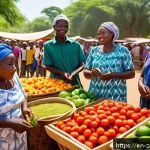
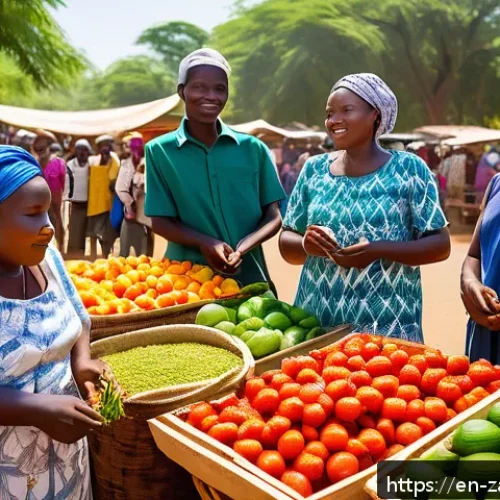
Oh, the markets! Stepping into a Zambian market is like entering another dimension. It’s a whirlwind of activity, a riot of colors, sounds, and smells that overwhelm you in the most wonderful way. Forget sterile supermarkets; here, every transaction is an interaction, a dance of negotiation and friendly banter. I absolutely loved spending my mornings exploring these bustling hubs, from the sprawling chaos of Soweto Market in Lusaka to smaller, more intimate community markets. You’ll find everything imaginable: pyramids of fresh produce, vibrant fabrics known as chitenge, intricately carved wooden crafts, secondhand clothes (known as salaula), and even electronics. It’s an education in local commerce and resourcefulness. I quickly realized that haggling isn’t just expected; it’s part of the fun, a social ritual that builds connection. My first attempts were clumsy, but with practice, I learned to smile, playfully argue, and eventually walk away with a good deal and a new acquaintance. Beyond the goods themselves, the markets are where you truly feel the pulse of daily life, where rumors are exchanged, friendships are forged, and the incredible resilience of the Zambian people shines through. It’s where I picked up many of my favorite souvenirs, not just because they were unique, but because each item came with a story, a memory of a lively conversation with a vendor. This experience taught me the true value of direct trade and supporting local entrepreneurs, making every purchase feel far more meaningful than any big-box store could offer.

Bustling Bazaars: Sizing Up Your Souvenirs

When it comes to souvenirs, Zambian markets offer a treasure trove far beyond typical tourist trinkets. I discovered that the key is to look for items that genuinely reflect the local artistry and craftsmanship. You’ll find stunning wooden carvings, often depicting animals or traditional figures, made with incredible detail. Then there are the colorful chitenge fabrics, which women traditionally wrap around themselves, that can be transformed into anything from clothing to home decor. I even found beautifully woven baskets and handmade jewelry from local artisans. The trick is to take your time, browse, and engage with the vendors. They often have fascinating stories about where the materials come from or how the items are made. Don’t be afraid to wander off the main paths; sometimes the most unique finds are tucked away in smaller stalls. I remember finding a small, exquisitely carved wooden animal from a vendor who told me it had been made by his uncle in a rural village. That kind of personal connection makes the item so much more special. And of course, practice your bargaining skills! It’s all part of the fun and shows respect for the local way of doing business.

Craftsmanship and Creativity: Supporting Local Artisans

One of the most rewarding aspects of market exploration was discovering and supporting local artisans. These are the unsung heroes whose creativity and skill keep traditional crafts alive. I often sought out stalls where I could see the artisans at work, whether it was someone weaving a basket, carving wood, or beading intricate jewelry. It’s a powerful experience to witness the dedication and precision that goes into each handmade piece. By purchasing directly from them, you’re not just getting a unique item; you’re directly contributing to their livelihood and helping to preserve cultural heritage. I found that many artisans are incredibly proud of their work and are happy to share their techniques and stories. I learned about the significance of certain patterns in basketry and the meaning behind different animal carvings. These interactions transformed a simple purchase into a cultural exchange. It’s a wonderful feeling to bring home a piece of art that not only looks beautiful but also carries the spirit and story of its creator and the community from which it came. It’s a tangible reminder of the incredible talent and resilience I witnessed throughout my time there.

Finding Your Rhythm: Music, Dance, and Community Gatherings

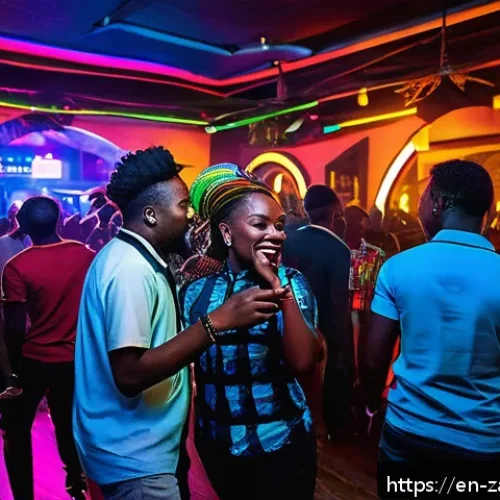
Zambia vibrates with an incredible energy, and much of that energy comes from its deeply ingrained culture of music and dance. It’s not just for special occasions; rhythm is woven into the fabric of daily life. From the gospel choirs that echo through Sunday mornings to the impromptu drumming circles that can erupt in a market, music here is a communal language. I quickly realized that people don’t just listen to music; they *feel* it and *move* to it with an uninhibited joy that is truly infectious. I remember being invited to a local wedding, and the sheer vibrancy of the celebration was unlike anything I had ever experienced. The dance floor was alive from dawn till dusk, with everyone, young and old, moving to the pulsating beats of local music. There was a sense of collective euphoria, a release of pure joy that transcended any language barrier. It taught me to let go of my self-consciousness and just immerse myself in the moment, allowing the rhythm to guide me. Even during more somber occasions, like funerals, traditional songs and dances play a crucial role in expressing grief and providing comfort, highlighting the profound importance of these cultural forms. This deep connection to music and dance isn’t just entertainment; it’s a powerful tool for storytelling, celebration, mourning, and strengthening community bonds. It’s a constant reminder of the incredible human capacity for expression and connection.

The Power of Song: Gospel Choirs and Traditional Beats

One of the most moving aspects of Zambian culture I encountered was the profound role of song, especially in a spiritual context. Sunday mornings are transformed by the powerful, harmonious voices of gospel choirs pouring out of churches. The sheer passion and talent are astounding, and even if you don’t understand the words, the emotion is palpable. I found myself drawn to these services, not just for the spiritual experience, but for the incredible musicality and the communal joy it fostered. Beyond gospel, traditional music, often featuring drums, kalimbas (thumb pianos), and various string instruments, is equally captivating. These ancient rhythms tell stories of history, harvest, love, and everyday life. I was fortunate enough to witness a few traditional dance performances, where the dancers’ movements were so fluid and expressive, each gesture conveying a specific meaning. It’s a powerful testament to the continuity of culture and the enduring spirit of storytelling through performance. The music is often participatory; it’s hard to resist tapping your foot or swaying to the beat, and before you know it, you might find yourself attempting a few dance steps, much to the amusement and encouragement of locals.

Local Celebrations: Weddings, Funerals, and Festivals

Participating in local celebrations offered an unparalleled glimpse into the heart of Zambian community life. Weddings are particularly spectacular, vibrant affairs that blend traditional customs with modern influences. They are multi-day events, filled with feasting, elaborate attire, and, of course, endless dancing and singing. I was mesmerized by the choreographed movements of the bridal party and the infectious energy of the guests. It’s a true celebration of family and community coming together. Funerals, while somber, are also deeply communal events, where the entire village or neighborhood gathers to mourn, console, and remember the departed. Traditional songs and rituals provide a framework for grief and offer collective comfort. Then there are various cultural festivals, often linked to harvests or ancestral veneration, which are incredible opportunities to witness diverse tribal traditions, traditional attire, and ceremonial dances. These gatherings underscore the importance of communal support, cultural preservation, and the collective spirit that defines Zambian society. They aren’t just events; they are profound expressions of identity and belonging, and being even a small part of them leaves an indelible mark on your soul.

Advertisement

Understanding the Kwacha: Money Matters and Local Economy

잠비아 현지 생활 체험 - **Authentic Zambian Street Food Delights:** A close-up, inviting scene at a lively Zambian street fo...

Navigating the local currency, the Zambian Kwacha (ZMW), was another essential part of truly living like a local. Gone were the days of simply tapping a credit card; here, cash is king, especially in the markets and smaller shops. I quickly learned that understanding the denominations, from the smaller coins to the larger banknotes, was crucial, as was getting comfortable with mental math for quick transactions. The exchange rate can fluctuate, and keeping an eye on it became a daily habit, much like checking the weather. What fascinated me was how robust the informal economy is, driven by countless small businesses, street vendors, and market stalls. Every Kwacha spent in these places feels like a direct investment in someone’s livelihood, a stark contrast to the often-impersonal transactions in more developed economies. I learned to appreciate the value of a single Kwacha, understanding what it could buy – a handful of groundnuts, a ride on a minibus, or a small snack. This hands-on experience with the local currency deepened my appreciation for the economic realities faced by many Zambians. It’s not just about exchanging money; it’s about participating in the daily economic dance, understanding the flow of wealth, and respecting the hard work that goes into earning every single note. This perspective shifts your entire outlook on consumption and value, making you more mindful of your own spending habits back home.

Exchanging Currency: Tips and Tricks for the Savvy Traveler

When you’re dealing with the Zambian Kwacha, knowing the best places to exchange your foreign currency is key. While major banks are reliable, you often find better rates at authorized bureaux de change, especially in city centers. I always made sure to compare rates from a few different places before committing. It’s also wise to carry a mix of smaller and larger denominations of your home currency, as some places might prefer certain bills. And a word to the wise: always count your money carefully before leaving the counter, and be wary of anyone offering suspiciously good rates on the street. ATMs are available in major towns, but they can sometimes be scarce in more rural areas, so it’s good practice to keep a decent amount of cash on hand, especially for market purchases and smaller vendors who might not accept card payments. I found that having a good supply of smaller Kwacha notes (K10, K20, K50) was incredibly useful for everyday expenses and avoiding the awkwardness of trying to break a large K100 or K200 note for a small purchase. Being prepared with local currency not only makes your life easier but also shows respect for the local economy.

Local Spending Habits: Where Your Kwacha Goes

Observing how locals manage their Kwacha provided fascinating insights into daily life. A significant portion of income goes towards basic necessities: food, transport, and often school fees for children. Discretionary spending, for many, is a luxury. You see incredible resourcefulness in how people stretch their money, making every Kwacha count. For instance, instead of buying expensive pre-packaged goods, many opt for fresh, affordable produce from the markets. Minibus taxis, while sometimes chaotic, are incredibly cost-effective compared to personal transport. I noticed that a small amount of money could buy a surprisingly hearty meal at a local eatery, or a fresh bunch of vegetables. Understanding these spending patterns really highlights the importance of the informal sector and the small businesses that thrive on these daily transactions. It makes you realize how interconnected everyone is in the local economy, from the farmer bringing produce to market, to the vendor selling it, to the family buying ingredients for dinner. My own spending quickly adapted; I found myself prioritizing local businesses, eating at street stalls, and buying crafts directly from artisans, knowing that my Kwacha was directly supporting the community I was temporarily a part of.

Beyond the Paved Roads: Authentic Encounters and Hidden Gems

While the cities offer a vibrant introduction to Zambia, some of my most profound experiences came from venturing off the well-trodden paths and seeking out authentic encounters. This meant leaving the comfort of paved roads and embracing the dust of rural tracks, or spending time in community spaces rather than just tourist attractions. It was in these moments that the true spirit of Zambia, its warmth, and its genuine hospitality truly shone. I remember visiting a small village outside Lusaka, a place completely untouched by the tourist gaze. There, I was welcomed with open arms, shared stories under a mango tree, and even learned a few words of the local dialect from the children who giggled at my clumsy pronunciation. These weren’t curated experiences; they were raw, unfiltered moments of human connection that transcend cultural barriers. It’s about being open to the unexpected, saying yes to invitations, and allowing yourself to be vulnerable in new environments. Whether it was helping out at a local school for an afternoon, sharing a cup of tea with an elder, or simply observing daily life in a rural setting, these interactions were the true gems of my trip. They taught me about resilience, community spirit, and the simple joys of life that often get lost in the noise of modernity. It’s these unscripted moments that linger in your memory long after the postcards fade, painting a richer, more nuanced picture of a country and its people.

Volunteer Experiences: Giving Back to the Community

One of the most rewarding ways I found to connect deeply with Zambia was through volunteering. Even a short period of giving back can provide an incredible insight into local challenges and triumphs. I spent a few afternoons helping out at a local community center, assisting with English lessons for children. The smiles on their faces, their eagerness to learn, and their infectious energy were incredibly humbling. It wasn’t about making a huge impact in a short time, but about showing up, offering a helping hand, and engaging directly with the people. These experiences quickly dismantled any preconceived notions I might have had and replaced them with a profound respect for the resilience and ingenuity of the local communities. It also provided a platform for genuine conversations, allowing me to understand perspectives I would never have encountered otherwise. Volunteering isn’t just about what you give; it’s about what you receive in return – a deeper understanding, heartfelt connections, and a sense of shared humanity that enriches your travel experience far beyond any sightseeing tour.

Village Stays: A Glimpse into Rural Life

For an even deeper dive into local life, nothing beats a village stay. While I didn’t do an extended one, a day trip to a rural village was transformative. It offered a stark contrast to the city, with a slower pace of life, closer ties to nature, and a strong sense of communal living. I witnessed traditional farming methods, learned about the importance of water collection, and saw firsthand how families live, work, and support each other. The simplicity of life, far from the constant demands of the modern world, was incredibly refreshing. Children played freely, elders shared wisdom, and neighbors genuinely looked out for one another. It’s a powerful reminder of the importance of community and the resourcefulness that comes from living in close harmony with the land. These experiences are not about luxury or comfort; they are about authenticity, learning, and stepping outside your own cultural bubble to truly understand another way of life. It’s challenging, at times, but infinitely rewarding, leaving you with a profound appreciation for different perspectives and the universal bonds that connect us all.

Local Zambian Delicacy Description Main Ingredients/Key Features Where to Find
Nshima A thick porridge, staple food of Zambia, served with various relishes. Maize meal (mealie-meal) and water. Everywhere! Homes, restaurants, street vendors.
Vitumbuwa Sweet, deep-fried fritters, similar to doughnuts. Flour, sugar, yeast, water/milk, sometimes banana. Street food stalls, markets, roadside vendors.
Chikanda A savory, jelly-like dish, often called ‘African Polony’. Wild orchid tuber, groundnuts, chili, soda ash. Markets, street food vendors, local restaurants.
Ifisashi A flavorful green leafy vegetable stew, often with groundnuts. Rape (collard greens), pumpkin leaves, sweet potato leaves, groundnuts, onion, tomato. Homes, local restaurants, sometimes markets.
Kapenta Small dried fish, often fried or stewed. Dried Lake Tanganyika sardines (kapenta), oil, tomatoes, onions. Markets, street food, homes, local restaurants.
Advertisement

Connecting Through Culture: Beyond Language Barriers

One of the most profound lessons I learned in Zambia was that genuine connection often transcends language. While I diligently tried to pick up phrases in Nyanja and Bemba, the two most widely spoken local languages, I often found myself communicating through smiles, gestures, shared laughter, and a sincere willingness to engage. There’s an inherent warmth and openness among Zambians that makes these non-verbal connections incredibly powerful. I remember struggling to explain something in a shop, only for a fellow customer to step in and patiently translate, not out of obligation, but out of simple kindness. These moments, where strangers extend a helping hand, are commonplace and speak volumes about the communal spirit. It’s in the shared glance over a bustling market stall, the collective sigh of relief as a crowded minibus finally pulls away, or the spontaneous burst of song and dance at a local gathering. These shared experiences create a bond that goes deeper than words. It taught me that genuine interest and respect are the most potent forms of communication, capable of bridging vast cultural divides. My attempts at speaking their languages, no matter how clumsy, were always met with encouraging smiles and gentle corrections, fostering a sense of belonging rather than isolation. This human-centered approach to interaction made every day an adventure in understanding and connection, proving that the heart often understands what the mind struggles to articulate.

Learning Local Phrases: A Gateway to Deeper Interaction

Even if you’re not fluent, making an effort to learn a few basic phrases in the local languages—Nyanja and Bemba being the most common—can open up doors to incredibly rich interactions. Simple greetings like “Muli bwanji?” (How are you?), “Zikomo” (Thank you), or “Eya” (Yes) and “Awe” (No) are met with genuine appreciation. It’s a sign of respect and an acknowledgement of the local culture, immediately setting a positive tone. I found that even fumbling through a sentence could spark laughter and often led to friendly locals patiently teaching me the correct pronunciation or a new word. These small linguistic efforts often transformed a transactional exchange into a personal one. For example, asking for the price in Nyanja at a market, even with a strong accent, could sometimes lead to a slightly better deal or, at the very least, a much friendlier chat with the vendor. It shows you’re not just passing through, but you’re genuinely trying to connect. It also makes everyday life a little easier and a lot more fun, dissolving some of the initial awkwardness that comes with navigating a new country. Every new phrase felt like unlocking a tiny piece of the local puzzle, bringing me closer to the heart of Zambian life.

Non-Verbal Cues: The Universal Language of Kindness

Beyond spoken words, I quickly learned to appreciate the power of non-verbal communication in Zambia. A sincere smile, a respectful nod, or a small gesture of goodwill can convey more than a thousand words. Zambians are incredibly expressive, and their warmth often shines through their eyes and body language. I observed how people would often offer a small gesture of courtesy, like reaching out a hand to assist an elder, or sharing a comfortable silence during a shared minibus ride. Children, especially, are a delight; a simple wave or a playful face can elicit infectious giggles. It’s about being present, observing, and responding with genuine human kindness. When language fails, these universal cues become invaluable. I remember once getting completely lost on a walk, and without a shared language, a kind woman simply pointed me in the right direction, her expression conveying all the reassurance I needed. These interactions are a powerful reminder that our shared humanity often transcends cultural differences. It taught me to be more observant, more patient, and more trusting in the inherent goodness of people, regardless of where they come from. It’s in these subtle, unspoken connections that the truest sense of belonging often resides.

Wrapping Things Up

As I reflect on my time in Zambia, it’s clear that this journey was far more than just a trip; it was a profound immersion into a culture rich with warmth, resilience, and an undeniable spirit of community. Every shared meal, every bustling market visit, every challenging yet rewarding minibus ride, and every heartfelt conversation etched itself deep into my memory. It taught me to slow down, to appreciate the beauty in everyday chaos, and to find genuine connection in the most unexpected places. This country truly gets under your skin in the best possible way, inviting you to be a part of its rhythm, its laughter, and its incredible story. If you’re looking for an adventure that nourishes your soul and broadens your perspective, Zambia awaits with open arms and a vibrant, unforgettable embrace.

Advertisement

Handy Tips for Your Zambian Adventure

1. Embrace the Minibus Taxi: It’s the most authentic way to get around and a fantastic opportunity to interact with locals. Don’t be shy; just jump in and enjoy the ride!

2. Master Basic Greetings: Learning “Muli bwanji?” (How are you?) and “Zikomo” (Thank you) in Nyanja or Bemba goes a long, long way in showing respect and sparking friendly conversations.

3. Dive into Local Markets: Forget sterile supermarkets; Zambian markets are sensory explosions. They’re perfect for finding unique souvenirs, fresh produce, and truly experiencing the local pulse. Remember to try your hand at friendly haggling!

4. Carry Cash (Kwacha): While cards are accepted in some places, cash is king, especially for street food, markets, and smaller shops. Keep a mix of denominations for convenience.

5. Say Yes to Invitations: Whether it’s to share a meal, join a celebration, or simply have a chat, accepting local hospitality will lead to your most memorable and authentic experiences.

Key Takeaways

My journey through Zambia was a powerful reminder of the beauty found in human connection and cultural immersion. The vibrant city life, the delicious and diverse culinary scene beyond just nshima, the bustling energy of the markets, and the infectious rhythm of music and dance all contributed to an experience that felt incredibly authentic and enriching. I learned that navigating local transport, understanding the Kwacha, and venturing beyond tourist spots offers profound insights. Most importantly, it was the genuine warmth and generosity of the Zambian people, their open hearts, and their willingness to share their lives that truly made this adventure unforgettable. It’s a place that teaches you patience, resilience, and the universal language of kindness, leaving you with a richer understanding of the world and yourself.

Frequently Asked Questions (FAQ) 📖

Q: How do you actually get around Zambia when you’re trying to avoid tourist buses and embrace local life? I’m picturing those busy minibus taxis you mentioned – are they really the way to go?

A: Oh, absolutely! If you want to dive headfirst into the real rhythm of Zambian life, those minibus taxis are your golden ticket. I remember my first few rides – a bit intimidating at first, I won’t lie!
You’ll see them zipping by, often packed, with a conductor (or call boy) leaning out the window, shouting destinations. My tip? Don’t be shy!
Just flag one down, tell the conductor your general destination, and they’ll let you know if they’re heading that way. Fares are incredibly affordable, usually just a few Zambian Kwacha, making them super budget-friendly for daily commutes.
You pay the conductor, not the driver, and often you pass your money down the line to him. It’s a fantastic way to see the city or even travel between towns, and you’ll often end up sharing smiles, or even a quick chat, with fellow passengers.
The key is to embrace the organized chaos and just go with the flow. It’s a bumpy, vibrant, and utterly unforgettable experience that connects you directly to the heartbeat of the local community.

Q: I’m a bit of a foodie and your mention of nshima got me curious. What’s the deal with local Zambian food, and what should I expect to truly eat like a local?

A: Ah, nshima! That’s not just food; it’s practically a way of life here. Think of it as the staple, the heart of almost every meal, much like rice in some cultures or bread in others.
It’s a thick porridge made from maize meal, served hot, and you usually eat it with your right hand, scooping up delicious relishes. My first time trying to eat it “the Zambian way” was a hilarious disaster, but everyone was so kind and encouraging!
You’ll typically find nshima paired with a variety of “relishes” – these can be anything from a hearty stew of chicken, beef, or fish (like bream from the local rivers), to incredibly flavorful leafy greens like impwa (eggplant leaves) or chibwabwa (pumpkin leaves) cooked with groundnuts.
Don’t shy away from street food either! You’ll find incredible roasted maize, fried cassava, or even vitumbuwa (small donuts) from vendors. It’s all about fresh ingredients, often a bit spicy, and always incredibly satisfying.
Eating like a local means savoring every bite and enjoying the communal aspect of meal times.

Q: Beyond just seeing the sights, how can someone truly immerse themselves and connect with the heartwarming community spirit you found in Zambia?

A: This, right here, is the magic of Zambia. The “heartwarming community spirit” isn’t just a phrase; it’s a living, breathing reality. From my own experience, the easiest way to connect is simply to be open and genuinely friendly.
A simple “Muli bwanji?” (How are you?) in Nyanja or Bemba, even if it’s the only phrase you know, goes an incredibly long way. People here are so welcoming and eager to share their culture.
I found that spending time in local markets, even if just browsing, created so many opportunities for genuine interactions. Strike up a conversation with a vendor, ask about their produce, or even try your hand at bartering (always with a friendly smile, of course!).
Attending local church services, if you’re comfortable, can also be a profound experience, full of vibrant singing and a powerful sense of community. Volunteering, even for a short period, through reputable local organizations, is another fantastic way to truly integrate.
But honestly, the biggest “secret” is just showing up with an open heart, a respectful attitude, and a willingness to learn. That’s when those unforgettable connections truly happen.

Advertisement