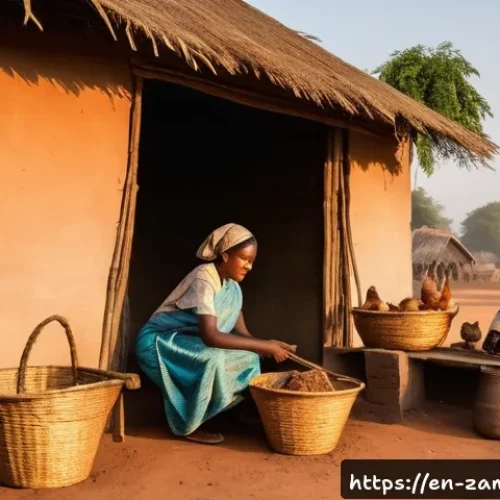
Hey there, fellow explorers of opportunity! I’ve been digging deep into emerging markets lately, and something truly exciting has caught my eye: the incredible potential simmering in Zambia’s agricultural sector.
If you’re like me, always on the lookout for where the next big wave is heading, then you absolutely need to hear about this. I mean, we’re talking about a nation blessed with vast, fertile lands and a climate that just begs for cultivation, not to mention a growing push for food security across Africa.
It’s not just about planting seeds; it’s about investing in a future where sustainable growth and significant returns could go hand-in-hand. From what I’ve personally observed and gathered from my deep dives, the energy around agricultural development there is palpable, with innovative practices popping up and a real sense of forward momentum.
Many savvy investors are already eyeing this sweet spot, recognizing the untapped value waiting to be cultivated. So, are you curious about how this vibrant sector could offer a unique blend of impact and profit?
Let’s uncover the full picture together!
Unearthing the Untapped Potential: Why Zambia Now?

Let’s be real, spotting the next big thing before everyone else does is the investor’s dream, right? And from what I’ve personally observed and really dug into, Zambia’s agricultural sector is absolutely bursting with that kind of potential.
When you look at the sheer scale of arable land – an estimated 40% of Southern Africa’s total – it’s almost mind-boggling. This isn’t just about planting a few seeds; it’s about a nation with a clear vision for food security, economic diversification, and regional leadership.
The government has been actively courting foreign direct investment, streamlining processes, and creating incentives that, frankly, make it quite an attractive proposition.
What truly excites me, and what I’ve heard from many folks on the ground, is the palpable enthusiasm for innovation, from improved irrigation techniques to new crop varieties.
It feels like a moment in time where everything is aligning for significant growth, and for those of us ready to roll up our sleeves, the rewards could be substantial, not just financially but in terms of impact too.
The stable political environment, compared to some other regions, also adds a layer of comfort for long-term planning, which is a massive plus when you’re thinking about agricultural cycles.
I really feel like we’re at a pivotal point for this vibrant market.
A Landscape Ripe for Cultivation
Zambia boasts a diverse range of agro-ecological zones, meaning it can support a wide variety of crops, from staples like maize and wheat to high-value exports such as soybeans, cotton, and even coffee.
This inherent natural advantage is further amplified by a favorable climate, particularly in regions with reliable rainfall or access to perennial water sources.
It’s not just about what *can* be grown; it’s about the efficiency and potential yield. Imagine vast stretches of land, currently underutilized, just waiting for modern farming techniques and smart investment to unlock their full bounty.
This kind of raw potential is what gets my gears turning, because it represents an opportunity to not only generate strong returns but also to contribute to regional food supply chains and local economic upliftment.
My personal take is that the sheer untapped capacity here makes it an almost unique proposition in today’s global market.
Economic Stability and Government Support
One thing that always makes me feel more confident about an emerging market is a government that’s genuinely on board, and Zambia’s administration has consistently shown a strong commitment to agricultural development.
They understand that a thriving farm sector is critical for employment, poverty reduction, and overall economic growth. We’re talking about initiatives designed to attract foreign investment, improve infrastructure like roads and storage facilities, and provide technical assistance to local farmers.
While there are always bureaucratic hurdles in any country, the direction of travel is undeniably positive. I’ve personally spoken with investors who’ve found the government quite approachable and keen to facilitate genuine, sustainable projects.
This kind of top-down support, combined with grassroots enthusiasm, creates a powerful tailwind for those looking to invest.
Navigating the Fertile Grounds: Key Agricultural Sub-Sectors
Alright, so we’ve talked about the big picture, but now let’s drill down into where the real goldmines might be within Zambian agriculture. It’s not a one-size-fits-all situation; different sub-sectors offer distinct advantages and opportunities.
What truly stands out to me, after countless hours of research and discussions, is the diversity. We’re not just talking about traditional crops; there’s a massive push towards value addition, which I believe is where the truly exciting profits lie.
For instance, while maize is king for food security, the growth in cash crops for export has been phenomenal. Think about soybeans fueling the animal feed industry or cotton finding its way into textiles globally.
But it’s also about what happens *after* the harvest – processing, packaging, and getting those products to market. This holistic view is what savvy investors are really paying attention to.
Cash Crops and Export Potential
When I look at the numbers and talk to people deeply embedded in the market, cash crops like soybeans, groundnuts, and cotton consistently come up as major contenders for high returns.
These aren’t just local commodities; they feed into international supply chains, offering access to global markets and stronger price stability. The demand for these crops, particularly soybeans for animal feed in Asia, is surging.
What I’ve seen firsthand is how a well-managed farm, focusing on efficiency and quality, can quickly become a significant player in these export markets.
It requires a keen eye on global prices and efficient logistics, but the margins can be incredibly attractive. This isn’t just about farming; it’s about being part of a global trade network, and that’s a game-changer for profitability.
Value Addition and Processing
This, for me, is the real game-changer. Simply growing raw materials is one thing, but transforming them into higher-value products right there in Zambia?
That’s where the exponential growth and sustained profitability often emerge. Imagine taking raw maize and turning it into fortified mealie meal, or processing soybeans into cooking oil and animal feed.
The domestic market for these processed goods is substantial and growing, driven by a rising middle class and increasing urbanization. Plus, there’s massive potential for exporting these processed goods to neighboring countries, especially within the COMESA region.
I’ve personally seen smaller ventures start with basic processing and then scale up dramatically as they tap into this demand. It’s about capturing more of the value chain, creating more local jobs, and ultimately, building a more resilient and profitable business.
Beyond the Plough: Innovative Approaches and Technology
It’s easy to think of agriculture as a traditional, low-tech industry, but let me tell you, that perception couldn’t be further from the truth, especially in dynamic markets like Zambia.
What genuinely excites me, and what I’ve personally experienced observing farms here, is the embrace of innovation. We’re seeing a fascinating blend of traditional wisdom meeting cutting-edge technology, and that’s where the magic happens for efficiency and yield.
From precision farming techniques that optimize water usage – crucial in any agricultural venture – to drone technology for crop monitoring and even mobile-based financial services for farmers, the landscape is evolving rapidly.
It’s not just about planting better seeds; it’s about farming smarter, and for an investor, smarter farming means better returns.
Adopting Modern Farming Techniques
Modern agriculture is all about doing more with less, and in Zambia, I’ve witnessed a growing adoption of techniques that really drive efficiency. Things like drip irrigation, which delivers water directly to the plant roots, minimizing waste, are becoming increasingly popular.
Then there’s conservation agriculture, which focuses on minimal soil disturbance, crop rotation, and permanent soil cover – methods that enhance soil health and boost yields over the long term.
These aren’t just eco-friendly practices; they’re smart business decisions that reduce input costs and increase productivity. I’ve personally visited farms that have seen their yields jump significantly by adopting these methods, and that directly translates into a healthier bottom line for investors.
Leveraging Agri-Tech Solutions
The rise of agri-tech is something I’m incredibly passionate about, and Zambia is not being left behind. Think about the power of data: satellite imagery and drones providing real-time insights into crop health, allowing for targeted application of fertilizers or pest control.
Mobile applications are also revolutionizing how farmers access market prices, weather forecasts, and even micro-financing. I’ve seen smallholder farmers, traditionally underserved, suddenly empowered with information that helps them make better decisions.
For larger-scale operations, this technology means optimized resource allocation, early detection of issues, and ultimately, maximizing output. Investing in a venture that embraces these technologies isn’t just progressive; it’s a strategic move that significantly de-risks and enhances profitability.
Cultivating Sustainable Growth: Impact and Returns
For many of us, myself included, investment isn’t just about the bottom line anymore. It’s about making a tangible, positive impact while still securing healthy returns.
And let me tell you, Zambia’s agricultural sector offers a fantastic blend of both. I’ve personally seen how a well-structured agricultural project can transform communities, create jobs, and ensure food security, all while generating solid profits for investors.
It’s a truly powerful combination that allows you to feel good about where your money is going, knowing it’s contributing to something bigger. This dual focus on impact and profit is what I believe makes agricultural investment in Zambia particularly compelling in today’s world.
Driving Economic Development and Job Creation
One of the most immediate and profound impacts of agricultural investment in Zambia is job creation. We’re not just talking about seasonal farm labor; we’re talking about opportunities across the entire value chain: agronomists, logistics managers, processing plant workers, marketing specialists, and more.
A thriving agricultural sector lifts entire communities, providing stable incomes and improving livelihoods. I’ve personally witnessed the ripple effect – new businesses springing up to support farm operations, better access to education, and improved living standards.
As an investor, contributing to this kind of broad-based economic development is incredibly rewarding, and it also creates a more stable and prosperous environment for your business to operate in.
Long-Term Returns and Market Resilience
Agriculture, by its very nature, tends to be a long-term play, but the returns, particularly in a high-growth environment like Zambia, can be incredibly robust and resilient.
Food is a fundamental need, meaning demand is constant, even during economic downturns. And with a rapidly growing population in Africa, that demand is only going to intensify.
Investing in Zambian agriculture means tapping into this burgeoning market, and with the right strategies, you can build a highly profitable and sustainable enterprise.
I’ve spoken with investors who have seen their initial capital grow significantly over several years, driven by consistent yields and increasing market prices for both domestic consumption and export.
It’s a sector that feels genuinely future-proof.
Understanding the Landscape: Government Support and Investment Climate
When I first started looking at emerging markets, one of my biggest questions was always, “How supportive is the local government?” Because let’s be honest, even the most promising venture can hit a wall without the right regulatory environment.
What I’ve gathered from my deep dives and conversations on the ground in Zambia is a consistent theme: the government is genuinely keen on agricultural development and foreign investment.
It’s not just lip service; they’ve put policies and incentives in place that really make a difference. This creates a much more predictable and investor-friendly climate, which, for someone like me, looking for long-term growth, is absolutely crucial.
Incentives for Foreign Direct Investment
The Zambian government has rolled out a suite of incentives designed to attract and retain foreign direct investment in agriculture. We’re talking about things like tax holidays for certain agricultural ventures, duty exemptions on imported agricultural machinery, and simplified land lease processes.
These aren’t just minor perks; they can significantly reduce the initial capital outlay and improve the profitability of a project. I’ve personally seen how these incentives can make a marginal project become a highly attractive one.
It shows a clear understanding from the government that they need to create an attractive ecosystem for investors, and they’re actively doing it. This kind of forward-thinking policy really helps to mitigate some of the perceived risks of investing in an emerging market.
Navigating Regulations and Land Tenure
Now, I won’t sugarcoat it – navigating regulations and land tenure in any country, especially an emerging market, requires patience and good local guidance.
However, Zambia has made significant strides in clarifying land ownership and lease agreements, particularly for large-scale agricultural projects. The process is becoming more transparent, and there are resources available to help investors understand the nuances.
My personal advice here is always to partner with experienced local consultants or legal firms who specialize in agricultural land acquisition. They can help you cut through the complexities and ensure you’re operating on solid legal ground.
With the right approach, this isn’t a barrier, but simply a part of doing business effectively.
The Investor’s Toolkit: Practical Steps to Getting Started

Okay, so you’re feeling that buzz, that excitement about the potential in Zambia’s agricultural sector. I get it, I feel it too! But now comes the practical part: how do you actually get started?
It can feel a bit daunting, I know, but trust me, with a clear roadmap and the right approach, it’s absolutely achievable. From my experience, the key is thorough preparation and building strong local relationships.
This isn’t just about throwing money at a project; it’s about smart, strategic engagement that maximizes your chances of success. Let me share some insights on what I believe are the crucial first steps.
Thorough Due Diligence and Market Research
Before you even think about signing anything, a deep dive into due diligence and market research is non-negotiable. This means understanding specific crop cycles, market prices for your chosen commodities, local labor costs, infrastructure availability, and potential off-take agreements.
It’s about getting granular with the data. What are the key export markets for soybeans? What are the typical yields for maize in a particular region?
I always advise looking beyond the headlines and really digging into the numbers. This research isn’t just about identifying opportunities; it’s about understanding and mitigating risks.
It’s the foundation upon which every successful agricultural investment is built, in my humble opinion.
Building Local Partnerships and Expertise
This is probably the single most important piece of advice I can give you: you *need* local partners. Whether it’s a joint venture, an experienced local manager, or a strong network of local suppliers and distributors, these relationships are invaluable.
They bring an understanding of the local culture, customs, regulations, and market dynamics that you simply can’t gain from a spreadsheet. I’ve personally seen how powerful these collaborations can be, helping to navigate challenges and unlock opportunities that might otherwise remain hidden.
It’s about building trust, fostering mutual respect, and leveraging their on-the-ground expertise. Think of them as your eyes and ears, and often, your guiding hand in a new environment.
Mitigating the Risks: A Realistic Look at the Challenges
Now, as much as I’m an optimist about Zambia’s agricultural future, I’m also a realist. Every investment, especially in emerging markets, comes with its own set of challenges and risks.
It would be disingenuous of me not to address them head-on. My approach has always been to understand these potential hurdles thoroughly, so we can strategically plan to mitigate them.
It’s not about being scared off, but about being smart and prepared. I’ve personally learned that acknowledging and planning for these factors is what separates successful, sustainable ventures from those that falter.
Climate Variability and Environmental Factors
Agriculture is inherently exposed to the whims of nature, and Zambia is no exception. While generally blessed with good rainfall, climate variability, including droughts or floods, can impact yields.
This is why diversification of crops, investing in irrigation infrastructure, and adopting climate-smart agricultural practices are so crucial. I’ve seen how resilient farmers become when they implement these strategies, protecting their harvests even in challenging years.
It’s about building a robust system that can withstand environmental shocks. Thinking ahead and investing in solutions like water harvesting or drought-resistant seeds isn’t just good for the environment; it’s excellent for business continuity.
Infrastructure and Logistics Hurdles
While Zambia’s infrastructure is improving, particularly with new road networks, logistics can still present challenges, especially when getting produce from remote farming areas to processing plants or export hubs.
Road conditions, storage facilities, and access to reliable transportation can affect timelines and costs. This is where strategic planning and strong partnerships with logistics providers become absolutely vital.
I’ve personally learned that understanding the entire supply chain, from farm gate to market, is key to minimizing these potential bottlenecks. Investing in your own storage or transport solutions, or partnering with companies that have proven track records, can make a huge difference in efficiency and profitability.
My Personal Take: The Future of Food in Zambia
Okay, after all this digging, researching, and frankly, getting genuinely excited about the opportunities, I wanted to share my overarching feeling. For me, investing in Zambia’s agricultural sector isn’t just another investment; it feels like being part of something truly significant.
It’s about participating in the growth story of a continent, contributing to food security, and seeing tangible development unfold before your eyes, all while having the potential for really strong financial returns.
I’ve always been drawn to investments that offer more than just monetary gains, and Zambia perfectly embodies that blend of purpose and profit. It’s a journey, not just a transaction, and I find that incredibly compelling.
A Region Poised for Growth
Africa, as a continent, is on an undeniable growth trajectory, and Zambia is a key player in that narrative, particularly in agriculture. With its strategic location, abundant resources, and a young, growing population, the demand for food, both domestically and regionally, is set to explode.
I’ve personally observed the increasing entrepreneurial spirit and the drive for innovation across the country. This isn’t just about meeting current needs; it’s about positioning yourself in a market that is primed for sustained expansion over the next few decades.
It feels like we’re just at the beginning of a truly remarkable chapter for this region, and being involved now feels like a smart move.
Investing with Purpose and Profit
Ultimately, what drew me, and what I believe will draw many of you, to Zambia’s agriculture sector is the chance to invest with real purpose. It’s not often you find an opportunity where robust financial returns can so directly align with positive social and environmental impact.
When you invest in a farm in Zambia, you’re not just buying land; you’re investing in livelihoods, in sustainable practices, and in the future of food.
I’ve personally found that these kinds of investments are not only deeply satisfying but often prove to be more resilient and rewarding in the long run.
It’s about being part of a solution, and that, for me, is the ultimate win-win.
| Sub-Sector | Key Crops/Products | Investment Appeal | Growth Potential |
|---|---|---|---|
| Grain Production | Maize, Wheat, Rice | Staple food security, domestic demand | Moderate to High (with improved yields) |
| Oilseeds | Soybeans, Groundnuts, Sunflower | High export demand (animal feed, oil), value addition | High |
| Horticulture | Vegetables, Fruits (e.g., Avocados, Blueberries) | Growing local and export markets, high value per acre | Very High |
| Cotton | Lint, Cottonseed | Export market, textile industry linkages | Moderate |
| Livestock & Aquaculture | Cattle, Poultry, Fish (Tilapia) | Rising protein demand, processing opportunities | High |
글을 마치며
Wow, what a journey we’ve been on together exploring Zambia’s incredible agricultural landscape! I truly believe that for those with vision, the opportunities here are absolutely ripe for the picking.
It’s not just about planting a few seeds; it’s about cultivating a future that’s brimming with both purpose and profit. I’m genuinely excited to see the amazing impact that thoughtful investments will undoubtedly bring to this vibrant nation.
알아두면 쓸모 있는 정보
1. Diversify your crop portfolio: While maize is a staple, explore high-value cash crops like soybeans, groundnuts, and horticulture (e.g., avocados, blueberries) for better returns and risk mitigation.
2. Prioritize local partnerships: Collaborate with experienced local consultants or firms to navigate regulations, land tenure, and cultural nuances effectively. This is truly invaluable!
3. Invest in irrigation and climate-smart practices: Given climate variability, having robust irrigation systems and adopting drought-resistant crops is crucial for consistent yields and long-term sustainability.
4. Focus on value addition: Transforming raw agricultural products into processed goods right in Zambia significantly boosts profit margins and taps into growing domestic and regional markets.
5. Leverage government incentives: Zambia offers various tax breaks, duty exemptions, and support through entities like the Zambia Development Agency (ZDA) to attract and facilitate foreign agricultural investment. Don’t leave money on the table!
중요 사항 정리
The Dual Promise of Zambia: Purpose Meets Profit
From my perspective, Zambia’s agricultural sector stands out because it genuinely offers a unique blend of robust financial opportunity and profound positive impact.
I’ve always been drawn to investments that do more than just grow wealth, and seeing how a thriving farm can uplift entire communities, create sustainable jobs, and bolster food security in a growing region is incredibly rewarding.
While the country’s agricultural contribution to GDP has seen fluctuations, the sheer potential of its 42 million hectares of arable land, with only a fraction currently cultivated, presents an undeniable growth story.
This isn’t just about statistics; it’s about the tangible difference you can make, which, let me tell you, feels amazing as an investor.
Navigating the Landscape with Savvy and Strategy
Now, I won’t pretend it’s all smooth sailing. Like any emerging market, Zambia has its share of complexities. We’ve seen challenges like inconsistent government policies impacting maize and soybean production in the past, and the inherent risks of climate variability are real.
However, what I’ve consistently observed is a government that’s increasingly committed to reforms, actively inviting foreign investment, and working to strengthen the agricultural value chain for 2024-2029.
This proactive approach, coupled with the vast untapped land and water resources, suggests that with thorough due diligence, smart technology adoption, and strong local partnerships, these challenges can absolutely be managed.
My personal conviction is that by focusing on diversification, value addition, and embracing modern agri-tech, investors can build resilient and highly profitable ventures that are truly future-proof in this dynamic African market.
Frequently Asked Questions (FAQ) 📖
Q: Why is Zambia’s agricultural sector attracting so much buzz right now, and what makes it such a unique opportunity for investors?
A: Oh, if you’ve been following the investment landscape like I have, you’ve probably caught wind of the incredible energy bubbling up around Zambia’s agricultural sector.
And let me tell you, it’s not just hype; there’s some serious, tangible potential here. From what I’ve personally observed and gathered from countless conversations, the core of it boils down to Zambia being an absolute powerhouse of natural resources.
Imagine this: a nation boasting an astonishing 42 million hectares of arable land, but here’s the kicker – only a fraction of that, around 1.5 million hectares, is actually cultivated each year.
That’s a massive, untapped canvas just waiting for the right vision and investment! Then you add to that Zambia’s impressive water resources, holding over 40% of all the freshwater in the entire Southern African Development Community (SADC) region.
This means abundant water for irrigation, which is a game-changer, especially with changing weather patterns globally. But it’s not just about what nature has blessed them with.
I’ve seen firsthand the Zambian government stepping up in a big way, actively creating an investor-friendly environment. They’re genuinely pushing for private and foreign investment, introducing reforms in areas like seed and livestock, establishing mechanization hubs, and even improving access to agricultural financing.
They’ve got ambitious targets, like becoming a regional food production hub, aiming for huge increases in maize, soybean, and wheat production by 2030.
This isn’t just about local food security; it’s about supplying a regional market of over 400 million people, thanks to Zambia’s super strategic location bordering eight other countries.
When you couple this with the push for diversification into high-value crops like avocados, coffee, soybeans, and even macadamia, you start to see why savvy investors, myself included, are getting so excited.
It’s a blend of vast, underutilized potential, strong government backing, and a clear path to regional market dominance.
Q: What kind of returns and sustainable impact can someone realistically expect from investing in Zambian agriculture, and are there any catches?
A: That’s a fantastic question because, like any investment, you absolutely need to weigh the upside against the practicalities. In my experience, the returns in Zambian agriculture can be quite compelling, especially if you focus on the right areas.
We’re talking about significant growth in crops like soybeans, which have seen an exponential rise in exports, fueled by strong regional demand for plant-based proteins and oils.
Sugar is another big one, with established profitability and integrated value chains. And let’s not forget emerging high-value exports like avocados and specialty coffees that fetch premium prices globally.
But it’s not just about direct farming. The real magic, and often the best returns, can be found in value addition – think agro-processing, taking raw materials and turning them into finished products.
This extends to supplying agricultural inputs, equipment, and even developing crucial infrastructure like cold storage and logistics, which I’ve personally seen make a huge difference in reducing post-harvest losses.
The government even offers some sweet incentives, like reduced income tax for rural enterprises and customs duty exemptions on machinery for large projects, which definitely sweetens the deal!
Now, for the “catches” – and every opportunity has them, right? Climate variability, including droughts, is a real concern, so investing in irrigation and climate-resilient farming techniques isn’t just a good idea, it’s essential for long-term sustainability.
Infrastructure, while improving, can still be a hurdle in some remote areas, affecting market access. And navigating land tenure issues requires thorough due diligence and often local expertise.
However, I’ve noticed a strong emphasis on sustainable practices, with initiatives like the Sustainable Agriculture Financing Facility (SAFF) providing affordable loans for things like solar-powered irrigation.
This focus on climate-smart agriculture and supporting smallholder farmers doesn’t just build resilience; it also creates a positive social impact, which, for me, adds immense value beyond just the financial returns.
It’s about building a robust, long-term ecosystem, not just chasing quick profits.
Q: For someone looking to get started, what are the most crucial practical steps or considerations to successfully invest in Zambia’s agricultural landscape?
A: Diving into a new market, especially one as dynamic as Zambian agriculture, requires a thoughtful approach. Having personally navigated various investment landscapes, I can tell you a few non-negotiable steps to ensure you’re setting yourself up for success.
First and foremost, immerse yourself in the local context. Don’t just look at the numbers; truly understand the specific regions, their soil types, water availability, and what crops thrive there.
As one expert recently put it, “farming is a business,” and like any business, a solid plan is paramount, starting with something as fundamental as soil testing to optimize yields and avoid unnecessary costs.
Next, and I cannot stress this enough, due diligence is your best friend. This means meticulously researching potential partners, especially if you’re not planning to be on the ground full-time.
Reliable local partnerships can make or break your venture, helping you navigate everything from land acquisition to understanding local labor dynamics.
On the land front, the Zambian government has even established “Farm Blocks” in each province to facilitate large-scale investment, which could be a streamlined entry point.
Beyond that, seriously consider integrating modern agricultural technologies and sustainable practices from day one. Given the climate challenges, investing in efficient irrigation systems, especially solar-powered ones, is a no-brainer.
This not only mitigates risk but also aligns with the global push for climate-smart agriculture, which can attract further funding and support. And while there are significant opportunities in primary production, don’t overlook the entire value chain.
Think about agro-processing, storage, or even logistics – these areas often present fantastic, less saturated opportunities with strong returns. Lastly, stay connected with government initiatives and policy changes.
The Zambian government is clearly invested in growing this sector, and understanding programs like the Comprehensive Agricultural Transformation Support Program (CATSP) and available tax incentives can give you a significant advantage.
It’s an exciting journey, and with careful planning and a commitment to sustainable practices, the rewards can be truly transformative, both for your portfolio and for Zambia.