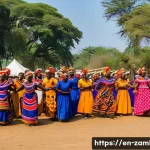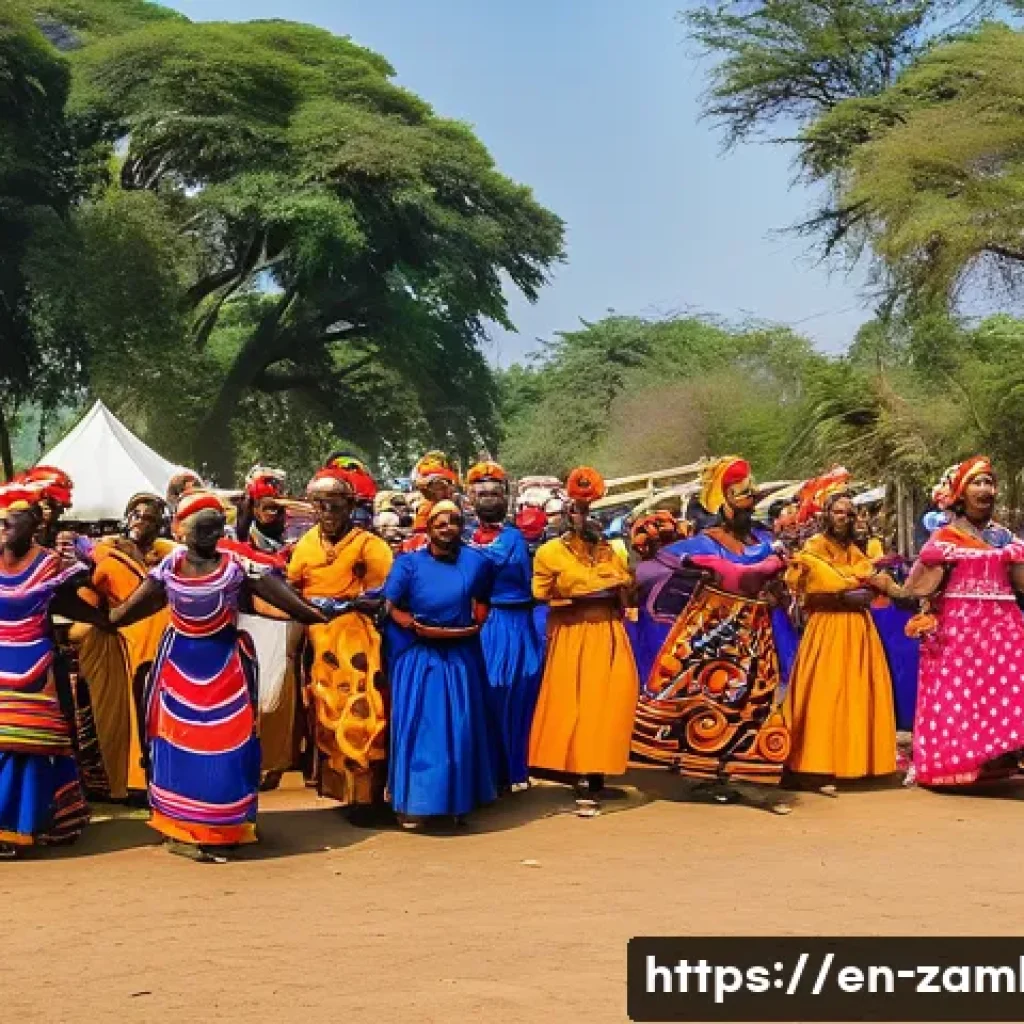
Zambian traditional dance is a vibrant expression of the country’s rich cultural heritage, blending storytelling, music, and movement into captivating performances.
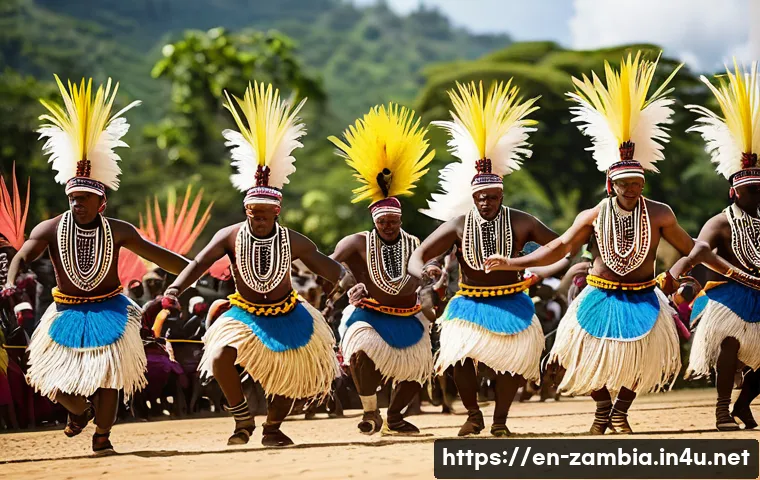
Each dance carries deep meaning, often linked to rituals, celebrations, or community events, showcasing the diversity of Zambia’s ethnic groups. The energetic rhythms and colorful costumes create an immersive experience that connects people to their roots.
Exploring these dances offers a unique window into Zambia’s history and social values. Let’s dive deeper and uncover the fascinating world of Zambian traditional dance in the following sections!
Expressions of Identity Through Movement
Storytelling Through Dance
Dance in Zambia isn’t just about rhythmic movement; it’s a vibrant language that conveys stories passed down through generations. Each gesture and step holds significance, often narrating tales of heroes, ancestors, or everyday life.
When watching a Zambian dance performance, you’re essentially witnessing a live storybook unfold, where the dancers’ movements paint vivid pictures. I remember attending a ceremony where the dancers depicted a historic battle, and their precise footwork and dramatic poses brought the entire saga to life in a way words alone couldn’t capture.
Connection to Community and Rituals
Traditional dances frequently serve as vital components of rituals and communal celebrations. Whether marking harvest seasons, weddings, or rites of passage, these dances bind communities together, reinforcing shared values and cultural pride.
What’s fascinating is how each ethnic group in Zambia has its unique style tailored to its customs. For example, the Lozi people perform the Kuomboka dance to celebrate the annual flood retreat, symbolizing renewal and gratitude.
Observing these ceremonies, it’s clear that the dances are more than entertainment—they’re essential expressions of belonging and spiritual connection.
Movement as a Cultural Signature
Zambian dances showcase diverse movement vocabularies that reflect the country’s ethnic mosaic. From the swift, sharp footwork of the Bemba to the flowing, circular motions of the Tonga, each style communicates a distinct cultural identity.
I’ve noticed that dancers often incorporate mimicry of nature or daily activities—like hunting or farming—into their routines, which adds layers of meaning.
This physical storytelling serves as a living archive of customs and environmental relationships, making every performance a cultural signature that resonates deeply with both performers and audiences.
The Role of Music and Rhythm
Traditional Instruments and Their Sounds
Music is the heartbeat of Zambian dance, with traditional instruments setting the pace and mood. Drums, mbira (thumb pianos), and rattles are commonly used to create complex polyrhythms that energize the dancers.
When I attended a festival in Lusaka, the drumbeats were so powerful and immersive that they seemed to synchronize with my own heartbeat, drawing me into the performance’s emotional core.
The interplay between dancers and musicians is dynamic, each feeding off the other’s energy in an exhilarating exchange.
Rhythm as a Guide for Movement
The dancers’ movements are intricately tied to the rhythm patterns, where subtle changes in tempo or beat signal shifts in the dance’s mood or story. Experienced dancers develop an intuitive sense of these cues, allowing for improvisation within traditional frameworks.
I’ve seen performers respond instantaneously to drum solos by speeding up or slowing down, adding spontaneous flair without losing the dance’s essence.
This rhythmic dialogue between music and movement is what makes Zambian traditional dance so captivating and alive.
Choreographic Structure and Group Dynamics
Most Zambian dances are group performances, emphasizing unity and coordination. Choreography often involves formations that evolve throughout the dance, symbolizing social structures or communal harmony.
For instance, some dances start with circular patterns representing inclusiveness, gradually shifting into lines or pairs to convey different narratives.
Watching a troupe perform, I’ve been amazed at their synchronization and how seamlessly individual expressions merge into collective storytelling, a testament to their deep cultural training and connection.
Symbolism in Costume and Adornment
Colors and Patterns with Meaning
Zambian traditional costumes are not just visually stunning; they carry symbolic weight. The choice of colors and patterns often reflects the wearer’s ethnic background, social status, or the occasion being celebrated.
For example, bright reds and yellows might represent vitality and prosperity, while specific beadwork patterns can denote clan affiliations. When I saw dancers adorned with intricate beaded necklaces and headpieces, I realized these garments were storytelling elements themselves, communicating identity and heritage even before the dance began.
Materials and Craftsmanship
Many costumes are handmade from natural materials such as animal skins, feathers, and woven fibers, showcasing remarkable craftsmanship. The process of creating these outfits is an art form passed down through families, often involving meticulous beadwork and sewing.
I’ve had the chance to meet artisans who explained how every stitch and bead placement honors tradition and respects the ancestors. Wearing such costumes during performances adds authenticity and reverence, making the dance a holistic cultural experience.
Functional Design for Movement
Beyond aesthetics, costumes are designed to enhance the dancers’ movements. Lightweight fabrics, flowing skirts, and flexible accessories allow for the energetic and sometimes acrobatic steps typical of Zambian dances.
Some costumes include rattles or bells that produce sound as the dancer moves, integrating costume into the rhythmic tapestry. Observing these design elements, it’s clear that functionality and symbolism coexist, creating a multisensory performance that engages sight, sound, and movement harmoniously.
Variety Across Ethnic Groups
Bemba Dance Traditions
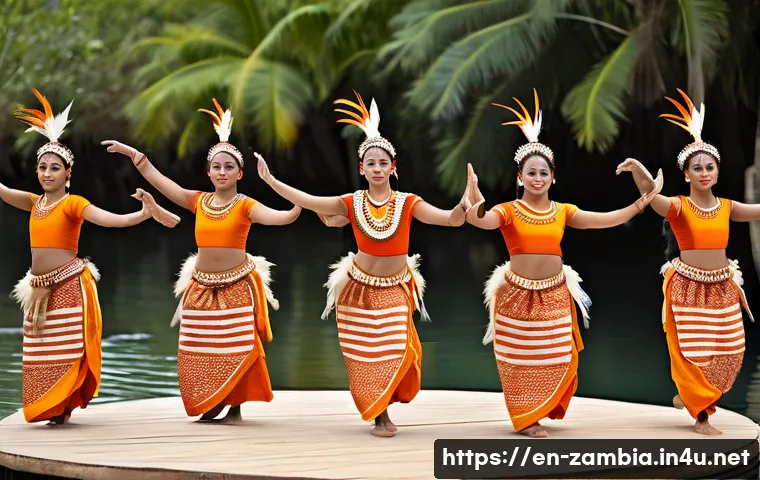
The Bemba people are known for their vigorous and spirited dances, often featuring fast footwork and lively drumming. Their dances frequently celebrate agricultural cycles and community milestones.
When I witnessed a Bemba dance, the energy was contagious—dancers jumped and spun with such enthusiasm that the audience couldn’t help but join in the celebration.
The Bemba’s dance style highlights resilience and joy, reflecting their strong communal bonds.
Lozi Ceremonial Dances
Lozi dances are deeply ceremonial, with the Kuomboka festival being the most famous. This dance marks the movement of the Lozi king from flood-prone plains to higher ground.
The performance includes elaborate canoe paddling mimicked on land, royal regalia, and rhythmic chants. Attending this festival felt like stepping into a living history, where dance and tradition converge to honor leadership and survival.
Tonga Cultural Expressions
The Tonga people’s dances are characterized by smooth, flowing movements that often mimic natural elements like water and wind. Their performances emphasize harmony with nature and spiritual connection.
I recall seeing a Tonga dance where the dancers’ gentle swaying and hand gestures created a serene atmosphere, evoking the calmness of a river. Their style offers a contemplative contrast to more exuberant dances, showcasing Zambia’s cultural richness.
Understanding the Social Impact
Preservation of Cultural Heritage
Traditional dance plays a crucial role in preserving Zambia’s diverse cultural heritage. In a rapidly modernizing world, these dances serve as living archives, keeping languages, customs, and histories alive.
I’ve spoken to community leaders who stress how teaching younger generations these dances fosters pride and identity, preventing cultural erosion. Schools and cultural centers increasingly incorporate traditional dance programs, highlighting their importance beyond entertainment.
Promoting Unity and National Identity
While each ethnic group maintains unique dance forms, traditional dance also acts as a unifying force in Zambia. National festivals and events often feature a blend of styles, celebrating the country’s diversity while promoting a shared identity.
I’ve noticed that during these gatherings, people from different backgrounds come together, dancing side by side and forging bonds through shared cultural appreciation.
This unity through dance strengthens social cohesion and mutual respect.
Economic Opportunities and Tourism
Traditional dance has become an important driver of cultural tourism in Zambia. Performances attract visitors eager to experience authentic cultural expressions, providing income for performers and communities.
I once joined a tour where local dancers not only performed but also taught us basic steps, creating an interactive and memorable experience. Such engagements empower artists economically while educating outsiders, ensuring that cultural practices remain vibrant and valued.
Comparing Popular Zambian Dances
| Dance Name | Ethnic Group | Occasion | Key Features | Symbolism |
|---|---|---|---|---|
| Kuomboka | Lozi | Annual flood retreat festival | Canoe mimicry, royal regalia, rhythmic chants | Renewal, leadership, survival |
| Makishi | Lunda and Luvale | Initiation ceremonies | Masked dancers, storytelling, energetic footwork | Transition, spiritual protection |
| Chikankata | Bemba | Harvest celebrations | Fast drumming, jumping, communal participation | Fertility, prosperity, community strength |
| Tonga Traditional Dance | Tonga | Various social and spiritual events | Flowing movements, hand gestures, calm tempo | Harmony with nature, spirituality |
| Ndombolo | Various urban groups | Contemporary celebrations | Fast-paced, improvised, mix of traditional and modern | Youth culture, social expression |
글을 마치며
Zambian dance is a profound expression of identity, culture, and community. Through movement, music, and costume, it connects generations and preserves rich traditions. Experiencing these dances offers a unique glimpse into Zambia’s diverse heritage and social fabric. Whether through energetic celebrations or solemn rituals, dance remains a living, breathing part of life that continues to inspire and unite.
알아두면 쓸모 있는 정보
1. Traditional Zambian dances often serve multiple purposes, from storytelling to marking important life events, making them an integral part of cultural transmission.
2. Music and rhythm are inseparable from the dance, with instruments like drums and mbira guiding the tempo and emotional tone of performances.
3. Costumes are carefully crafted not only for visual impact but also to facilitate movement and enhance the overall storytelling through symbolic colors and designs.
4. Each ethnic group in Zambia has distinct dance styles that reflect their unique histories, environments, and spiritual beliefs.
5. Traditional dance plays a significant role in community cohesion and economic development, particularly through cultural tourism and educational programs.
중요 사항 정리
Understanding Zambian dance requires appreciating its multifaceted role as a cultural archive, a communal activity, and an artistic expression. The interplay between movement, music, and costume creates a powerful narrative that preserves heritage and fosters unity. Recognizing the diversity across ethnic groups enriches our appreciation of Zambia’s vibrant cultural landscape. Moreover, supporting traditional dance can promote social connection and sustainable economic opportunities, making it vital to both cultural preservation and contemporary life.
Frequently Asked Questions (FAQ) 📖
Q: What are some common occasions when Zambian traditional dances are performed?
A: Zambian traditional dances are typically performed during important community events such as harvest festivals, weddings, initiation ceremonies, and other cultural celebrations.
These dances serve not only as entertainment but also as a way to honor ancestors, mark significant life transitions, and strengthen social bonds within various ethnic groups.
For example, during a harvest festival, the energetic and rhythmic dances symbolize gratitude for a bountiful season, while initiation ceremonies use dance to teach young people about their cultural heritage.
Q: How do the costumes used in Zambian traditional dances contribute to the overall experience?
A: The costumes in Zambian traditional dances are vibrant and often handmade, incorporating colorful fabrics, beads, feathers, and natural materials like animal skins.
These outfits are more than just decorative—they help convey the story or meaning behind each dance and reflect the identity of specific ethnic groups.
Wearing traditional attire enhances the visual impact, making the performance more immersive and emotionally engaging. When I saw one of these dances live, the swirling skirts and rhythmic movement of the beaded accessories really brought the entire story to life in a way that words alone couldn’t capture.
Q: Can someone with no prior experience learn Zambian traditional dances?
A: Absolutely! While some Zambian dances have complex steps tied to cultural rituals, many community groups and cultural centers welcome beginners and provide guidance on learning the movements.
The key is to embrace the spirit of the dance rather than perfection. When I tried learning a popular Zambian dance, the friendly instructors encouraged me to feel the rhythm and express myself, which made the experience both fun and meaningful.
It’s a wonderful way to connect with Zambian culture, even if you’re starting from scratch.