Zambian traditional crafts are a vibrant reflection of the country’s rich cultural heritage and artistic expression. From intricate basket weaving to colorful beadwork, these handmade creations tell stories passed down through generations.
Exploring these crafts offers a unique glimpse into Zambia’s diverse ethnic groups and their customs. Beyond their aesthetic appeal, many pieces carry symbolic meanings and are used in everyday life and special ceremonies.
Whether you’re a traveler or an art enthusiast, discovering these treasures is both inspiring and educational. Let’s dive deeper and explore the fascinating world of Zambian traditional crafts together!
Mastering the Art of Basket Weaving
Traditional Techniques and Materials
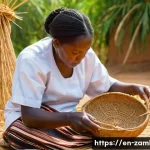
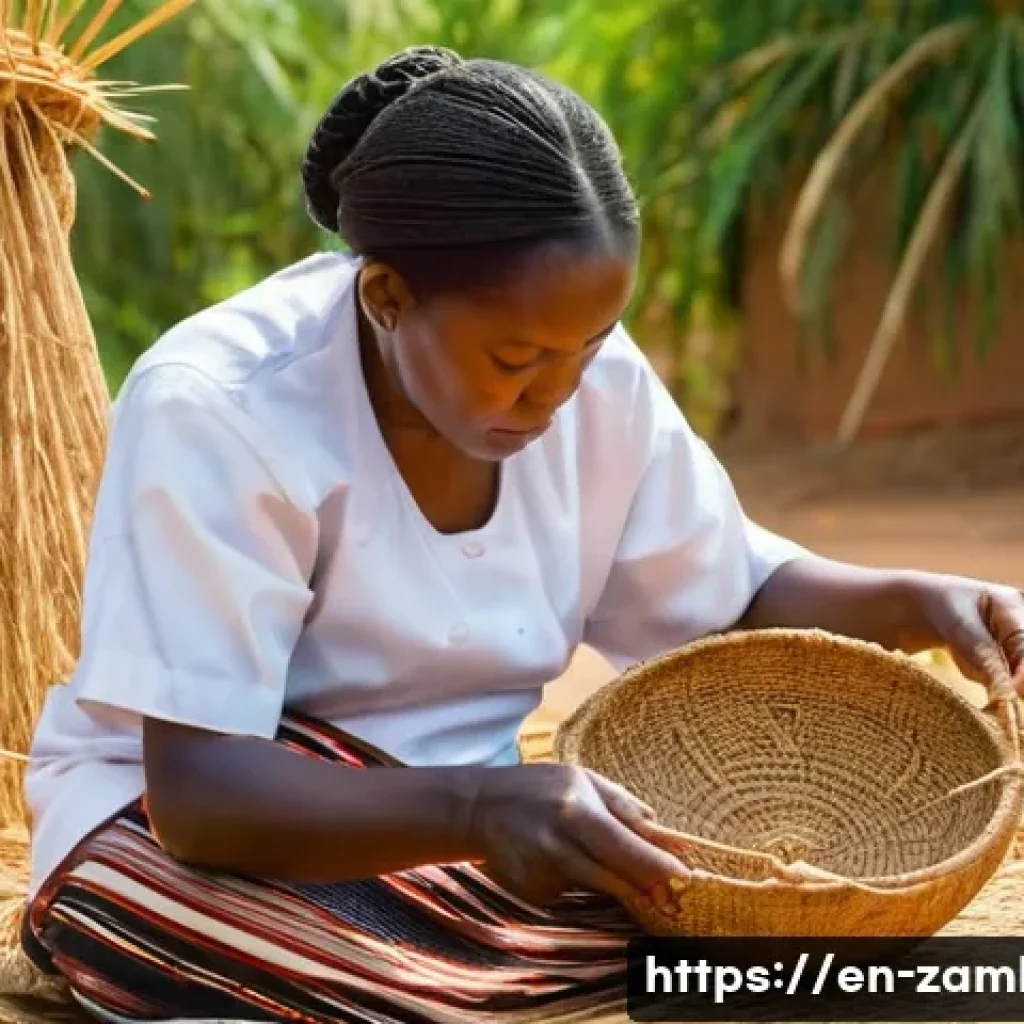
Basket weaving in Zambia is more than just a craft; it’s a legacy handed down through countless generations. The artisans predominantly use natural fibers sourced from local plants like raffia palm and wild grasses.
What fascinates me is how each community has its unique weaving style—some favor tight, intricate patterns, while others embrace looser, more functional weaves.
The process can be painstaking, requiring patience and dexterity. I’ve seen weavers spend hours, sometimes days, crafting a single basket that’s both sturdy and beautiful.
This craftsmanship ensures that every basket carries the spirit of its maker and the land it comes from.
Everyday Uses and Symbolism
Baskets aren’t just decorative; they’re integral to daily life. Farmers use them for harvesting crops, while market vendors rely on them to display goods.
However, some baskets are reserved for ceremonial purposes, embodying cultural symbols and stories. For example, certain patterns represent fertility, prosperity, or protection.
I remember chatting with a local artisan who explained how the choice of colors and weaving styles could convey a message or mark a special occasion. This layered meaning adds a profound depth to what might otherwise be seen as simple containers.
Modern Adaptations and Global Appeal
What’s truly exciting is how these traditional baskets have found new life beyond Zambia’s borders. Contemporary artists and designers incorporate traditional weaving methods into modern home décor and fashion accessories.
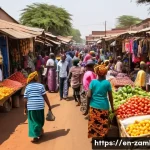
When I visited a craft market in Lusaka, I noticed tourists eagerly buying vibrant baskets that doubled as wall art or storage solutions. This fusion of old and new not only preserves the craft but also provides sustainable income for local communities, showcasing a beautiful example of cultural preservation meeting economic opportunity.
Beadwork: A Colorful Language of Identity
Cultural Significance Across Ethnic Groups
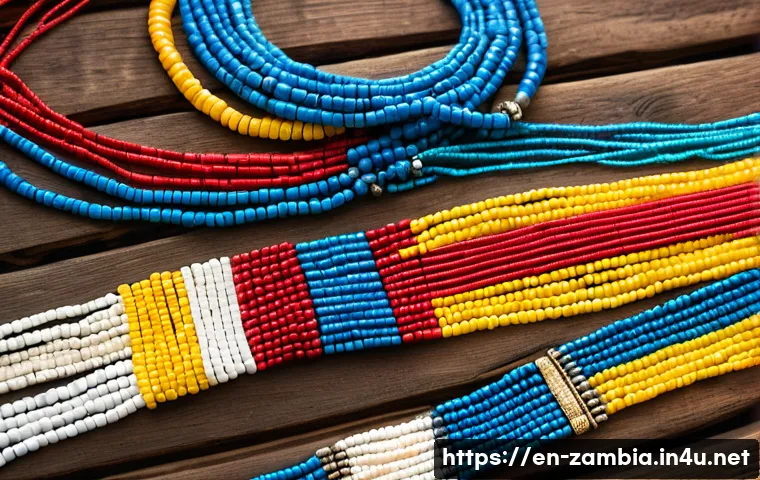
Beadwork in Zambia isn’t just about aesthetics—it’s a vibrant language expressing identity, status, and tradition. Different ethnic groups, like the Tonga, Lozi, and Bemba, have distinct bead patterns and colors that hold specific meanings.
For instance, red beads might symbolize love or courage, while blue represents peace. These designs are often worn during ceremonies, weddings, and rites of passage, signaling the wearer’s place in society.
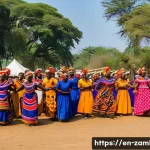
I had the chance to witness a traditional wedding where beadwork adorned every participant, each telling a story rooted deeply in cultural heritage.
Techniques and Materials Used
Creating beadwork demands precision and creativity. Artisans string together tiny glass or plastic beads, sometimes combining them with shells or metal accents.
The process can be painstaking, especially when forming intricate patterns that require careful counting and placement. I’ve tried my hand at basic beadwork, and it’s surprisingly challenging but rewarding to see the design come alive.
What stands out is the patience and skill needed to maintain symmetry and vibrancy, reflecting a deep respect for the craft’s legacy.
Contemporary Trends and Market Demand
In recent years, Zambian beadwork has caught the eye of international fashion and jewelry markets. Local artists blend traditional motifs with contemporary styles, producing pieces that appeal to younger generations and tourists alike.
This evolution helps keep the craft relevant and economically viable. I spoke with a beadwork entrepreneur who emphasized how online platforms have expanded her reach globally, allowing her to share Zambia’s rich cultural expressions with a broader audience while supporting her community.
Carving Stories in Wood and Stone
Symbolic Sculptures and Everyday Tools
Wood and stone carving in Zambia is an ancient practice that serves both functional and artistic purposes. Skilled carvers transform raw materials into tools, household items, and symbolic sculptures.
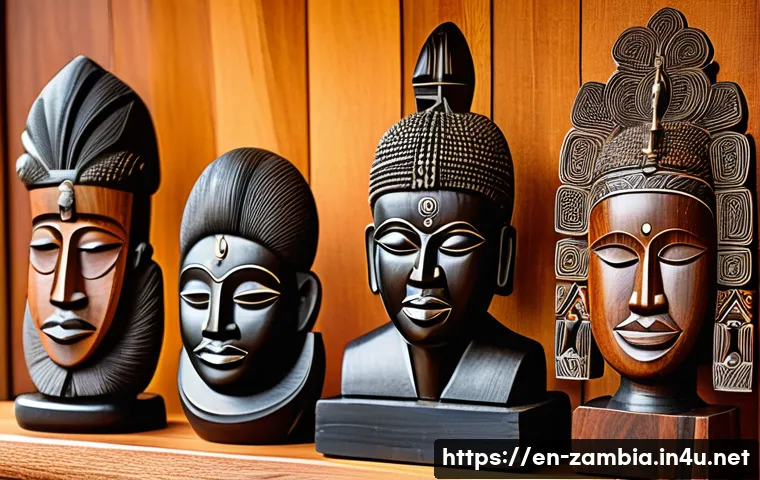
Many pieces are imbued with spiritual significance, representing ancestral figures, animals, or mythological beings. During a visit to a rural village, I was struck by a carved wooden mask used in traditional dances, each detail telling a story of protection and heritage.
This connection between art and belief adds a powerful dimension to the carvings.
Tools, Techniques, and Materials
Carvers typically use chisels, knives, and adzes to shape hardwoods like mahogany and ebony, prized for their durability and rich colors. Stone carving involves softer rocks such as soapstone, which allows for detailed work.
The process can be lengthy and requires a steady hand and artistic vision. Watching a master carver work was mesmerizing—the way he coaxed life out of a simple block of wood felt almost magical.
This blend of craftsmanship and creativity is a hallmark of Zambia’s carving tradition.
Preservation Efforts and Challenges
Despite its cultural importance, carving faces challenges like resource scarcity and competition from mass-produced souvenirs. However, various organizations and local artisans are actively working to preserve these techniques through workshops and cultural festivals.
I attended a festival where young people were encouraged to learn carving, ensuring the craft’s survival. It’s inspiring to see how passion and community support can keep traditions alive amid modern pressures.
Textile Arts: Weaving Stories Through Fabric
Traditional Fabrics and Their Meanings
Textiles in Zambia go beyond mere clothing; they narrate stories of identity and history. Fabrics like chitenge and kitenge feature bold patterns and vibrant colors, each motif carrying cultural significance.
These textiles are worn during celebrations and daily life, often reflecting social status or ethnic affiliation. I recall seeing women skillfully wrapping these fabrics, each fold and knot telling a tale passed down through generations.
The tactile beauty and symbolism of these textiles make them cherished cultural treasures.
Techniques in Weaving and Dyeing
Many Zambian textiles are handwoven using traditional looms, with natural dyes extracted from plants and minerals. The indigo dyeing process, for example, requires skillful timing and layering to achieve its characteristic deep blue hue.
I’ve tried dyeing fabric with indigo myself, and the unpredictability of color outcomes adds an element of surprise and uniqueness to each piece. This hands-on approach embodies the intimate connection between artisan and material.
Role in Contemporary Fashion
Today, Zambian textiles inspire designers both locally and internationally. Contemporary fashion incorporates traditional fabrics into modern silhouettes, bridging heritage and innovation.
This trend not only celebrates culture but also creates economic opportunities for weavers and dyers. A designer I met in Lusaka shared how she sources fabric directly from rural artisans, ensuring authenticity and fair trade.
This synergy between tradition and modernity breathes new life into Zambia’s textile arts.
Jewelry Crafting: Beyond Ornamentation
Materials and Symbolism in Jewelry
Jewelry in Zambia often carries meanings far beyond adornment. Crafted from materials like copper, brass, and beads, pieces symbolize wealth, status, and spiritual beliefs.
Copper, abundant in Zambia, is especially significant, used in bracelets, necklaces, and rings that mark milestones or signify protection. I once received a copper bracelet as a gift and was told it was a token of goodwill and strength.
This personal connection highlights how jewelry weaves social bonds and cultural values.
Artisan Techniques and Styles
Crafting jewelry involves techniques such as hammering, casting, and bead stringing. Artisans combine traditional motifs with contemporary designs, creating pieces that appeal across generations.
Observing a metalsmith at work, I noticed the meticulous attention to detail and the pride in preserving ancestral methods. This blend of artistry and heritage is palpable in every handcrafted piece, making Zambian jewelry a unique expression of identity.
Economic Impact and Global Reach
Zambian jewelry artisans benefit from growing global interest in ethically sourced and culturally rich products. Many export their work, connecting with niche markets that value handcrafted authenticity.
I chatted with a jewelry maker who described how online sales have transformed her business, allowing her to support her family while sharing Zambia’s cultural wealth worldwide.
This economic empowerment underscores the importance of maintaining traditional crafts in a globalized economy.
Functional Art: Everyday Items as Cultural Expressions
Household Utensils and Their Cultural Roots
Many everyday items in Zambian homes—like wooden spoons, calabash bowls, and woven mats—are crafted with artistic flair and cultural meaning. These objects are often decorated with patterns or carvings that reflect local aesthetics and beliefs.
I was fascinated by how even the simplest utensil could carry a story or symbolize hospitality and community. This integration of art into daily life enriches the cultural fabric of Zambian households.
Materials and Craftsmanship in Daily Use Items
Artisans select materials that are both practical and beautiful, such as hardwood for durability or calabash for natural insulation. The crafting process involves shaping, polishing, and sometimes painting or carving.
Witnessing these crafts in action, I appreciated the seamless blend of utility and artistry. It’s a reminder that beauty doesn’t have to be reserved for galleries—it can live in the objects we use every day.
Market Trends and Consumer Preferences
There’s a growing appreciation for handmade, locally sourced household items both within Zambia and among tourists. This trend supports artisans and encourages sustainable practices.
I noticed that many buyers prefer items with clear cultural significance, valuing the stories behind the objects. This demand helps maintain traditional skills and fosters pride in cultural heritage, proving that functional art can thrive in modern markets.
Comparative Overview of Popular Zambian Crafts
| Craft | Main Materials | Primary Use | Cultural Significance | Modern Adaptation |
|---|---|---|---|---|
| Basket Weaving | Raffia palm, wild grasses | Storage, ceremonies | Symbols of fertility, protection | Home décor, fashion accessories |
| Beadwork | Glass beads, shells, metal | Jewelry, ceremonial wear | Identity, status, tradition | Contemporary fashion, online sales |
| Wood & Stone Carving | Mahogany, ebony, soapstone | Sculptures, tools | Spiritual protection, ancestry | Workshops, cultural festivals |
| Textile Arts | Cotton, natural dyes | Clothing, ceremonial wraps | Ethnic identity, social status | Modern fashion, fair trade |
| Jewelry Crafting | Copper, brass, beads | Adornment, status symbols | Protection, milestones | Global markets, ethical sourcing |
| Functional Art | Wood, calabash | Household utensils | Hospitality, community | Tourism, sustainable crafts |
글을 마치며
Exploring Zambia’s rich craft traditions reveals a vibrant tapestry of culture, artistry, and heritage. Each craft, from basket weaving to jewelry making, tells a unique story shaped by generations of skilled artisans. These crafts not only preserve cultural identity but also foster economic growth and global appreciation. Embracing both tradition and innovation, Zambia’s artisans continue to inspire and connect communities worldwide.
알아두면 쓸모 있는 정보
1. Traditional Zambian crafts often utilize locally sourced natural materials, making them eco-friendly and sustainable choices for consumers interested in ethical products.
2. Many crafts carry symbolic meanings—understanding these can deepen appreciation and respect for the cultural significance behind each piece.
3. Modern adaptations of traditional crafts have opened new markets globally, providing artisans with opportunities for increased income and cultural exchange.
4. Participating in workshops or cultural festivals offers a hands-on experience and supports the preservation of endangered artisan skills.
5. When purchasing handmade crafts, choosing fair trade and directly sourced items helps empower local communities and ensures authenticity.
중요 사항 정리
Zambian crafts blend artistry with cultural heritage, making them invaluable cultural assets. Their sustainability depends on continued community engagement, ethical sourcing, and adaptation to modern markets. Supporting these crafts means valuing tradition, promoting economic empowerment, and preserving unique stories told through every handmade piece.
Frequently Asked Questions (FAQ) 📖
Q: What materials are commonly used in Zambian traditional crafts?
A: Zambian traditional crafts often feature natural materials sourced locally, such as palm leaves and reeds for basket weaving, beads made from glass or seeds for intricate beadwork, and wood for carving sculptures and masks.
These materials are chosen not only for their availability but also for their cultural significance, adding depth and authenticity to each handcrafted item.
Q: How do Zambian traditional crafts reflect the culture and customs of different ethnic groups?
A: Each ethnic group in Zambia has distinct patterns, colors, and styles in their crafts that tell stories about their history, beliefs, and social roles.
For example, the Lozi people are known for their elaborate baskets used in ceremonies, while the Tonga beadwork often symbolizes social status or milestones.
These crafts serve as a living record of cultural identity, passed down through generations and still practiced today.
Q: Can tourists purchase authentic Zambian traditional crafts, and how can they ensure they are buying genuine pieces?
A: Yes, tourists can buy authentic crafts from local markets, artisan cooperatives, and cultural centers throughout Zambia. To ensure authenticity, it’s best to buy directly from the artists or reputable sellers who provide background information about the craft’s origin and significance.
Supporting local artisans not only guarantees genuine products but also helps preserve these important cultural traditions.