Imagine standing on the banks of the Luangwa River in Zambia, the African sun beating down, the air thick with the sounds of the wild. It’s a place where the rhythm of life is dictated by the river’s ebb and flow, a lifeline for the incredible wildlife that calls this region home.
From lumbering elephants to elusive leopards, the Luangwa Valley teems with life found nowhere else on Earth. Having personally experienced the raw beauty of this untouched landscape, I can tell you, it’s an adventure that stays with you long after you’ve left.
The Luangwa River isn’t just a body of water; it’s a vibrant ecosystem, a source of life, and a photographer’s dream come true. Looking ahead, sustainable tourism initiatives are crucial to preserving this natural treasure for generations to come.
The future of the Luangwa Valley depends on responsible practices that balance human needs with the preservation of its unique biodiversity. Let’s dive deeper and uncover the secrets of this amazing place!
## The River’s Rich Tapestry of Wildlife EncountersThe Luangwa Valley is renowned for its staggering biodiversity, and the thrill of encountering its iconic residents is what draws so many to its shores.
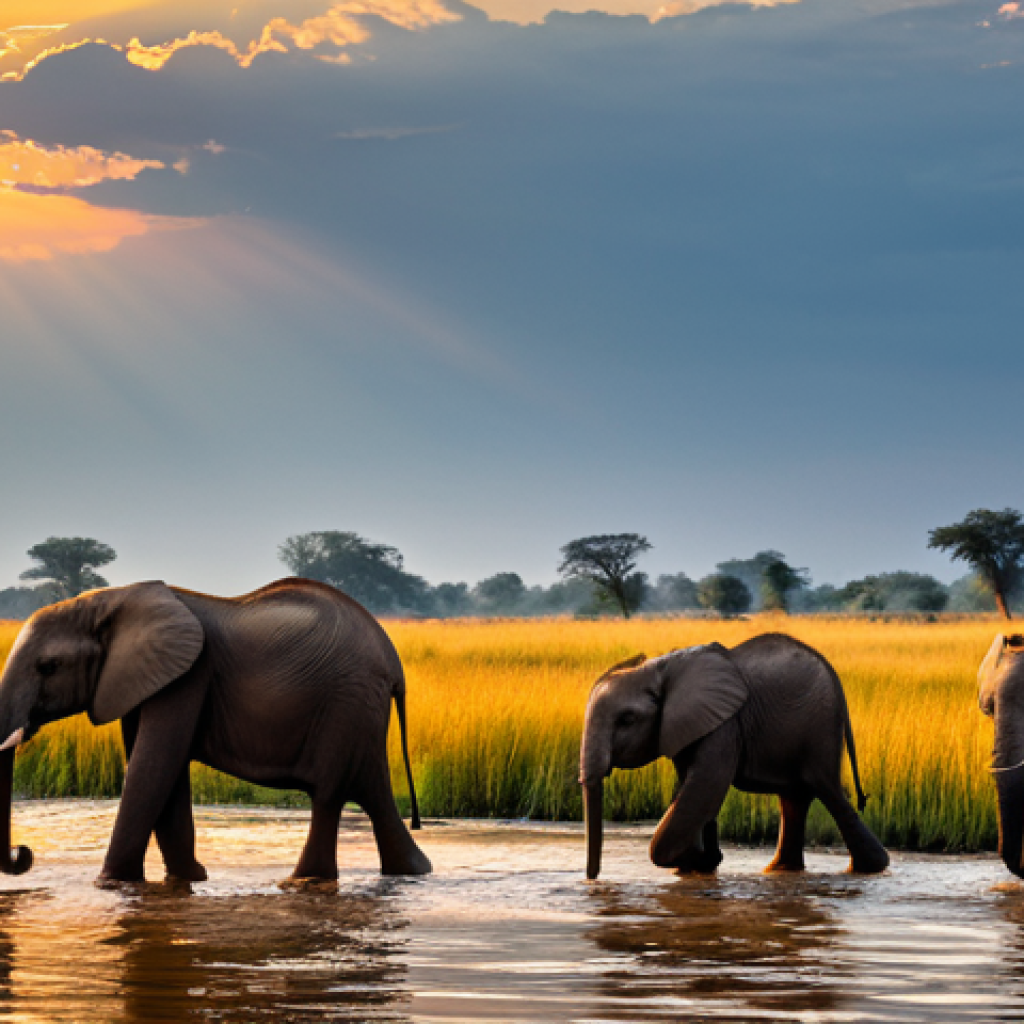
Forget the sterile environments of zoos; here, wildlife roams free, governed by the ancient rhythms of the natural world. Trust me, there’s nothing quite like the palpable excitement of spotting a pride of lions lounging in the shade after a successful hunt or watching a herd of elephants gracefully crossing the river at sunset.
These are the moments that etch themselves into your memory.
Tracking Predators: The Dance of Hunter and Hunted
The Luangwa is a predator’s paradise. Lions, leopards, wild dogs, and hyenas all stake their claim in this wild kingdom. I remember one evening, while on a guided night drive, we came across a leopard stealthily stalking an impala.
The tension was incredible. The leopard, a master of camouflage, moved with an almost supernatural grace, blending seamlessly into the shadows. Although the impala managed to escape that night, the sheer intensity of the moment was unforgettable.
Gentle Giants: Observing Elephant Families in Their Natural Habitat
Elephants are the undisputed icons of the African bush, and the Luangwa is home to a significant population. Watching these intelligent and social creatures interact is an absolute privilege.
I spent hours observing a family of elephants – the matriarch leading her offspring to the river for a drink, the youngsters playfully splashing each other, and the older bulls standing guard, their ancient tusks gleaming in the sunlight.
It’s a powerful reminder of the complex social structures and deep family bonds that exist within the animal kingdom.
Avian Wonders: A Birdwatcher’s Delight
Beyond the larger mammals, the Luangwa is also a haven for birdlife. From colorful kingfishers darting across the river to majestic eagles soaring overhead, the valley is alive with the sounds and sights of hundreds of different bird species.
Even a novice birdwatcher like myself found myself captivated by the sheer diversity of avian life on display. I highly recommend bringing a good pair of binoculars and a field guide to fully appreciate the region’s ornithological treasures.
The Art of the Walking Safari: Immersing Yourself in the Bush
One of the most unique and rewarding ways to experience the Luangwa Valley is on a walking safari. Unlike traditional game drives, walking safaris allow you to connect with the bush on a much deeper level.
You’ll learn to read animal tracks, identify different plant species, and appreciate the subtle signs of wildlife activity that you might otherwise miss.
Discovering the Smaller Wonders: Details Often Overlooked
On foot, you become acutely aware of the smaller wonders of the ecosystem – the intricate patterns of insects, the vibrant colors of wildflowers, and the fascinating adaptations of plants to survive in this harsh environment.
It’s about appreciating the details, the things you simply cannot grasp from the window of a safari vehicle.
Learning from Local Guides: Unveiling Ancient Wisdom
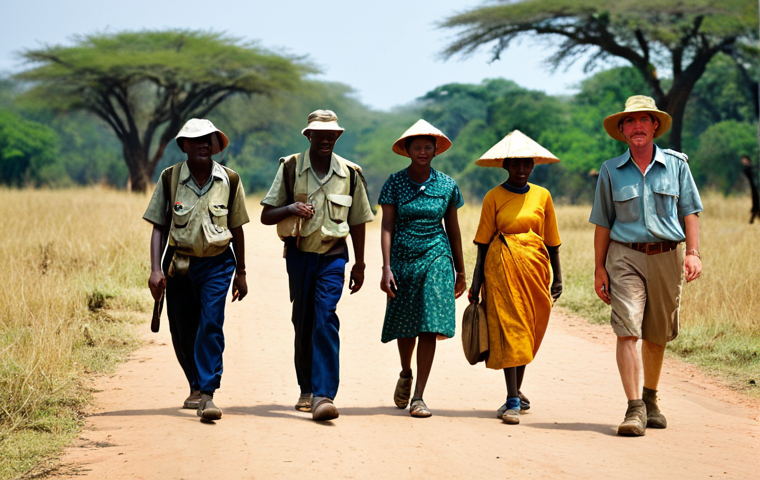
The best walking safaris are led by experienced local guides who possess an intimate knowledge of the bush. These guides can share their traditional wisdom, teaching you about the medicinal properties of plants, the hunting techniques of animals, and the cultural significance of the landscape.
Their insights offer a fascinating glimpse into the interconnectedness of life in the Luangwa Valley.
The Thrill of the Unexpected: Embracing the Unknown
Walking safaris also offer a unique element of surprise. You never know what you might encounter around the next bend. Whether it’s a close encounter with a herd of buffalo or the thrill of spotting a rare bird, the unexpected is always just around the corner.
This sense of adventure is what makes walking safaris so incredibly rewarding.
Supporting Local Communities: The Key to Conservation
The long-term survival of the Luangwa Valley depends on the well-being of the local communities who live alongside the wildlife. By supporting community-based tourism initiatives, you can help ensure that these communities benefit directly from the conservation of their natural resources.
Investing in Education: Empowering Future Generations
Education is key to fostering a sense of environmental stewardship among local communities. By supporting schools and educational programs, you can help empower future generations to become responsible custodians of the Luangwa Valley’s natural heritage.
Creating Sustainable Livelihoods: Diversifying Income Opportunities
Community-based tourism can also provide alternative income opportunities for local communities, reducing their dependence on activities that may harm the environment, such as poaching or deforestation.
Supporting local businesses and artisans can help create a more sustainable and equitable economy.
Respecting Local Culture: Embracing Diversity and Understanding
It’s important to approach community-based tourism with respect for local culture and traditions. Take the time to learn about the customs and beliefs of the people you are visiting, and be mindful of your impact on their way of life.
By embracing diversity and understanding, you can help foster positive relationships between tourists and local communities.
Navigating the Seasons: Choosing the Right Time to Visit
The Luangwa Valley experiences distinct wet and dry seasons, each offering a unique perspective on the landscape. Understanding these seasonal variations is crucial for planning your trip.
The Dry Season: Prime Time for Wildlife Viewing (May to October)
The dry season, from May to October, is generally considered the best time for wildlife viewing. As water sources become scarce, animals congregate along the Luangwa River and its tributaries, making them easier to spot.
The vegetation is also less dense during this time, providing clearer views of the wildlife.
The Green Season: A Time of Renewal and Abundance (November to April)
The green season, from November to April, brings lush vegetation and abundant birdlife. While wildlife viewing can be more challenging due to the thicker vegetation, the landscape is incredibly beautiful and the birding is exceptional.
This is also a great time to visit if you’re interested in photography, as the dramatic skies and vibrant colors offer endless opportunities.
Understanding Seasonal Impacts on Accessibility
It’s important to note that some areas of the Luangwa Valley may be inaccessible during the peak of the wet season due to flooding. Be sure to check with your tour operator or lodge about road conditions and accessibility before you travel.
Choosing Your Accommodation: From Rustic Camps to Luxurious Lodges
The Luangwa Valley offers a wide range of accommodation options to suit every budget and preference. From rustic bush camps to luxurious lodges, you’ll find the perfect place to call home during your safari adventure.
Bush Camps: An Immersive Wilderness Experience
For a truly immersive wilderness experience, consider staying in a bush camp. These camps typically offer basic but comfortable accommodation, with a focus on getting you as close to nature as possible.
You’ll fall asleep to the sounds of the African night and wake up to the chorus of birdsong.
Lodges: Comfort and Luxury in the Heart of the Bush
If you prefer a bit more comfort and luxury, there are also several excellent lodges in the Luangwa Valley. These lodges offer spacious rooms, gourmet meals, and a range of activities, such as game drives, walking safaris, and cultural excursions.
Eco-Friendly Options: Supporting Sustainable Tourism
When choosing your accommodation, consider supporting eco-friendly lodges and camps that are committed to sustainable tourism practices. These establishments prioritize environmental conservation and community development, ensuring that your visit has a positive impact on the Luangwa Valley.
Essential Gear and Packing Tips: Preparing for Your Adventure
Packing for a safari in the Luangwa Valley requires careful consideration. The right gear can make all the difference in your comfort and enjoyment.
Clothing: Lightweight, Breathable, and Neutral Colors
Pack lightweight, breathable clothing in neutral colors, such as khaki, olive green, and beige. These colors will help you blend in with the environment and avoid attracting unwanted attention from wildlife.
Long sleeves and pants are recommended for protection against mosquitoes and the sun.
Footwear: Comfortable Walking Shoes or Boots
Comfortable walking shoes or boots are essential, especially if you plan on doing any walking safaris. Make sure your shoes are well broken-in before you arrive.
Other Essentials: Binoculars, Sunscreen, Insect Repellent, and a Hat
Other essential items include binoculars, sunscreen, insect repellent, a hat, and a good camera to capture all the incredible sights. A headlamp or flashlight is also useful for navigating around your camp or lodge at night.
Here’s a table summarizing essential gear for a Luangwa Valley safari:
| Item | Description | Why it’s Important |
|---|---|---|
| Clothing | Lightweight, breathable, neutral colors | Comfort, camouflage, protection from sun/insects |
| Footwear | Comfortable walking shoes or boots | Walking safaris, navigating uneven terrain |
| Binoculars | High-quality, wide field of view | Wildlife viewing, birdwatching |
| Sunscreen | High SPF, broad spectrum | Protection from the African sun |
| Insect Repellent | DEET or Picaridin-based | Protection from mosquitoes and other insects |
| Hat | Wide-brimmed | Protection from the sun |
| Camera | DSLR or mirrorless with zoom lens | Capturing memories, wildlife photography |
| Headlamp/Flashlight | LED, long battery life | Navigating at night |
Ethical Considerations: Minimizing Your Impact on the Environment
As a responsible traveler, it’s important to be mindful of your impact on the environment and the local communities you are visiting.
Respecting Wildlife: Maintaining a Safe Distance
Always maintain a safe distance from wildlife and avoid disturbing their natural behavior. Never feed animals, as this can alter their feeding patterns and make them dependent on humans.
Minimizing Waste: Reducing Your Footprint
Reduce your waste by bringing reusable water bottles and shopping bags. Dispose of your trash properly and avoid using single-use plastics whenever possible.
Supporting Sustainable Practices: Choosing Eco-Friendly Operators
Support tour operators and lodges that are committed to sustainable practices, such as reducing their carbon footprint, conserving water, and supporting local communities.
By making responsible choices, you can help ensure that the Luangwa Valley remains a pristine wilderness for generations to come. Embarking on a journey to the Luangwa Valley is more than just a vacation; it’s an opportunity to connect with nature, immerse yourself in a vibrant culture, and contribute to the conservation of one of Africa’s most precious ecosystems.
With careful planning and a responsible approach, your Luangwa adventure will be an unforgettable experience that leaves you with a deep appreciation for the wonders of the natural world.
The Luangwa Valley isn’t just a destination; it’s an experience that transforms you. From the roar of a lion to the gentle sway of an elephant’s trunk, it’s a symphony of the wild that resonates deep within.
It’s a place where you can disconnect from the everyday and reconnect with the raw beauty of nature, forging memories that will last a lifetime. So pack your bags, embrace the adventure, and prepare to be captivated by the magic of Luangwa.
Parting Words
As our journey through the Luangwa Valley comes to an end, I hope this glimpse has ignited a spark of adventure within you. It’s more than just a place to visit; it’s a place to connect, to learn, and to be humbled by the sheer power and beauty of the natural world.
Whether you’re a seasoned safari-goer or a first-time explorer, the Luangwa Valley holds something special for everyone. So take the leap, embrace the wild, and prepare to create memories that will last a lifetime. The Luangwa awaits!
And remember, responsible tourism is key to preserving this paradise for future generations. Choose eco-friendly operators, respect local communities, and tread lightly on the land. Together, we can ensure that the magic of Luangwa endures.
Now, go forth and explore! Share your own Luangwa adventures with the world – inspire others to discover this incredible destination and to cherish our planet’s precious wildlife.
Need-to-Know Information
1. Visas and Vaccinations: Check visa requirements well in advance of your trip. Consult your doctor about necessary vaccinations and malaria prophylaxis. It’s always better to be prepared.
2. Currency and Payment: The Zambian Kwacha (ZMW) is the local currency. While some lodges and larger establishments accept credit cards, it’s wise to carry cash, especially for smaller purchases and tipping. US dollars are also widely accepted.
3. Best Time to Visit: As mentioned earlier, the dry season (May to October) is prime for wildlife viewing, while the green season (November to April) offers lush landscapes and birding opportunities. Choose the season that best suits your interests.
4. Tipping Etiquette: Tipping is customary in Zambia’s tourism industry. Consider tipping your guides, drivers, and lodge staff for their services. A general guideline is 10-15% of the cost of a service.
5. Safety Precautions: Always follow the instructions of your guides and be aware of your surroundings. Avoid walking alone at night and store your valuables securely. Be mindful of the sun and stay hydrated.
Key Takeaways
* Unparalleled Wildlife Encounters: The Luangwa Valley offers incredible opportunities for wildlife viewing, from tracking predators to observing elephant families.
* The Art of the Walking Safari: Immersing yourself in the bush on foot allows you to connect with the ecosystem on a deeper level. * Supporting Local Communities: Community-based tourism is essential for the long-term conservation of the Luangwa Valley.
* Navigating the Seasons: Understanding the seasonal variations will help you plan the perfect trip. * Responsible Travel: Be mindful of your impact on the environment and local communities.
Frequently Asked Questions (FAQ) 📖
Q: What’s the best time of year to visit the Luangwa Valley for wildlife viewing?
A: Having been there myself, I’d say the dry season, which runs from May to October, is absolutely prime time. The vegetation thins out, making it easier to spot animals, and they tend to congregate around the Luangwa River and its shrinking waterholes.
I remember seeing incredible concentrations of elephants and giraffes, it was truly breathtaking. Plus, the weather is much more bearable during these months – fewer mosquitoes and scorching temperatures.
Q: What kind of sustainable tourism initiatives are in place in the Luangwa Valley, and how can I contribute as a visitor?
A: From what I’ve seen firsthand, many lodges and tour operators are deeply committed to conservation. They often partner with local communities on projects like building schools, providing healthcare, and creating jobs.
Look for eco-certified accommodations and tour companies that prioritize responsible practices. Also, consider purchasing crafts directly from local artisans; it’s a great way to support their livelihoods and ensure tourism benefits the communities living alongside the wildlife.
When I visited, I made sure to ask about these initiatives and chose operators that aligned with my values. Every little bit helps!
Q: Beyond the elephants and leopards, what other unique wildlife experiences can one expect in the Luangwa Valley?
A: Oh, the Luangwa Valley is a treasure trove! You’ll almost certainly see Thornicroft’s giraffes, which are endemic to the area – I was blown away by how different they looked from the giraffes I’d seen elsewhere in Africa.
The birdlife is phenomenal too, with hundreds of species flitting through the trees. I remember one morning seeing a vibrant Pel’s Fishing Owl, which was a real highlight.
And then there’s the African wild dog – a rare and endangered species that I was lucky enough to observe on a hunt. It’s these unexpected encounters that make the Luangwa Valley so incredibly special.
📚 References
Wikipedia Encyclopedia