Hey there, fellow adventurers in the world of global trade! If you’ve been eyeing Africa as the next frontier for your business, you’re definitely onto something big.
Zambia, often called the “Heart of Africa,” is really making waves right now, positioning itself as a strategic hub with incredible potential for import and export.
But, and I’ve seen this firsthand, navigating international trade can sometimes feel like trying to solve a complex puzzle, especially when it comes to understanding all the rules and regulations.
I know, I know, paperwork and legalities don’t exactly sound like a thrilling read, but trust me, getting these details right is absolutely crucial for your success and can save you from costly headaches down the line.
The good news is, Zambia has been actively streamlining its processes, embracing digitalization with systems like ASYCUDA World, and committing to international best practices.
They’re not just sitting still; they’re proactively working to make trade smoother and more efficient. This is a developing story, with new regulations aiming to professionalize customs clearing agents, meaning less guesswork and more clarity for us all.
I’ve personally talked to so many entrepreneurs who felt overwhelmed by the thought of expanding into new markets, especially when faced with a stack of unfamiliar permits and declarations.
That’s precisely why I’m breaking down everything you need to know about Zambia’s import and export landscape. From understanding the required licenses and customs duties to leveraging regional trade agreements like AfCFTA, this isn’t just theory; it’s practical, up-to-date guidance to help you thrive.
So, if you’re ready to unlock Zambia’s vibrant trade opportunities and avoid those frustrating border delays, let’s explore every vital detail to ensure your venture is a resounding success!
Navigating the Zambian Customs Maze: My Essential Checklist
When I first dipped my toes into international trade, the sheer volume of documentation and procedural steps felt utterly daunting. It felt like I needed a secret decoder ring just to figure out where to start!
But, with time and a bit of perseverance, I’ve come to realize that it’s less about magic and more about a methodical approach. For Zambia, getting your ducks in a row with the right permits and registrations is your absolute first port of call.
You really can’t skip this, or you’ll find yourself stuck in a loop of delays and unnecessary costs. It’s like trying to bake a cake without knowing the ingredients – a recipe for disaster.
The Zambia Revenue Authority (ZRA) is your main point of contact here, and ensuring you have a Taxpayer Identification Number (TPIN) is non-negotiable for both importing and exporting.
I remember once thinking I could probably just wing it, and boy, was I wrong! That experience taught me the hard way that preparation is everything in this game.
Getting Your Business Registered and Ready
Before you even think about shipping your first consignment, your business needs to be properly registered. This isn’t just a formality; it’s the foundation of your legitimate operations in Zambia.
You’ll typically need to register your company with the Patents and Companies Registration Agency (PACRA) to get your Business Registration Certificate.
Then, as I mentioned, the ZRA comes into play for your TPIN. Think of it as your business’s official ID card. Beyond that, if your operations are going to involve importing or exporting goods, you’ll need specific licenses from the Ministry of Commerce, Trade and Industry.
Yes, it sounds like a lot of steps, but each one is crucial for smooth sailing. I’ve found that tackling these bureaucratic hurdles one by one, rather than trying to rush them, actually saves time and stress in the long run.
Sector-Specific Permits: Don’t Get Caught Out!
This is where things can get a little tricky and often catch new traders off guard, including myself when I first started exploring niche markets. Depending on what you’re bringing into or sending out of Zambia, you might need additional permits beyond the general import/export licenses.
For example, if you’re dealing with agricultural products like plants, seeds, or fruits, you’ll need phytosanitary certification from Mount Makulu Research Station.
Meat products? That’s the Veterinary Department. And for anything related to food or drugs, you’re looking at certifications from the Ministry of Health and the Zambia Medicines Regulatory Authority.
Firearms and ammunition, as you can imagine, require certification from the Zambia Police. I even heard a story about someone trying to import specialized medical equipment without the right health ministry clearance – it sat at the border for weeks!
Always, always check for these specific requirements; they vary wildly depending on your product.
Decoding Duties and Taxes: What Every Trader Needs to Know
Understanding the financial side of international trade in Zambia, especially the customs duties and taxes, can feel like you’re trying to read an ancient scroll.
It’s dense, full of specific terms, and if you misinterpret even one detail, it can seriously impact your bottom line. I’ve learned that getting a clear picture of these costs upfront is critical, not just for budgeting, but also for competitive pricing.
Zambia levies customs duties on goods entering the country, with rates that can swing anywhere from 0% to 40%, depending on the item. It’s not a flat rate, so you really need to drill down into the Harmonized System (HS) codes for your specific products.
Beyond customs duty, there’s also the Value Added Tax (VAT), which currently sits at a standard rate of 16% on most imported goods. And let’s not forget about excise duties on certain items, especially things like alcoholic beverages, tobacco products, and even some luxury goods.
Understanding Import Duties and VAT
The customs valuation in Zambia is typically based on the Cost, Insurance, and Freight (CIF) value. This means the duty is calculated on the total value of the goods, including the cost of the goods themselves, the insurance to ship them, and the freight charges to get them to Zambia.
Most goods fall into one of three tariff bands: 0-5% for capital equipment and raw materials, 15% for intermediate goods, and 25% for finished goods. What’s really interesting is that productive machinery for sectors like agriculture, aquaculture, solar energy, and mining often enjoys a zero percent duty rate, which is a huge incentive for those specific industries.
On top of that, essential items like medicines, pharmaceuticals, and computer parts are also duty-free. But remember, the 16% VAT is generally applied to the “taxable value” – which is the CIF value PLUS the customs duty, and any applicable excise duty.
Navigating Excise and Other Special Taxes
While customs duty and VAT are the big players, you can’t overlook excise taxes. These are additional taxes levied on specific goods, usually to discourage consumption or generate extra revenue.
Think about items like alcoholic drinks, tobacco products, and certain motor vehicles – these often attract significant excise duties. I’ve seen businesses underestimate these costs and end up with much tighter margins than they anticipated.
Another interesting charge to be aware of is the Carbon Emission Surtax on imported motor vehicles, which is an annual charge based on the vehicle’s engine capacity.
The Zambian government revises its tax code annually, so keeping up-to-date is super important. I always recommend checking the Zambia Revenue Authority’s website for the most current information, because these things can change yearly and you don’t want to be caught off guard!
| Tax Type | Description | Typical Rate / Basis |
|---|---|---|
| Customs Duty | Levied on goods entering Zambia. Rates vary based on HS Code and product classification. | 0% – 40% (CIF Value) |
| Value Added Tax (VAT) | Standard tax on most imported goods and services. | 16% (on Taxable Value: CIF + Customs Duty + Excise Duty) |
| Excise Duty | Additional tax on specific goods like alcohol, tobacco, luxury items. | Varies (e.g., ZMW 1.00 per litre for non-alcoholic drinks in 2025) |
| Carbon Emission Surtax | Annual charge on imported motor vehicles. | ZMW 200 (~$8) plus rate based on engine capacity |
Embracing Digital: My Journey with ASYCUDA World
I distinctly remember the days when international trade felt like drowning in an ocean of paper. Forms, declarations, invoices – stacks upon stacks that would leave you cross-eyed.
So, when I first heard about ASYCUDA World, Zambia’s automated system for customs data, I was cautiously optimistic. And let me tell you, it’s been a game-changer!
This platform, implemented by the Zambia Revenue Authority (ZRA), has truly pushed us towards a paperless customs clearance process, which is a relief beyond words.
It’s designed to streamline customs clearance and domestic tax processes, making it easier for traders like us to integrate our workflows and systems directly with ZRA.
I’ve found that learning to navigate this system is an investment that pays off immensely in terms of time saved and reduced errors. It’s truly a leap forward for trade facilitation in the region.
Streamlining Your Declarations with ASYCUDA World
ASYCUDA World is more than just a software; it’s an ecosystem that connects customs, clearing agents, and traders. It supports electronic filing of declarations, which for me, means less physical paperwork and faster processing times.
The system allows for advance electronic reporting of cargo before its actual arrival in Zambia, which is a fantastic feature for planning and reducing delays.
For air cargo, for instance, declarations can be filed soon after take-off! While it definitely had a learning curve, I can now submit commercial documents like bills of lading, airway bills, and commercial invoices directly through the platform.
What’s really cool is that they’ve even introduced pre-clearance of goods at any time prior to their arrival in Zambia, which is a huge step for efficiency and reducing border congestion.
It’s like being able to check in your luggage before you even leave for the airport!
Getting Started and Troubleshooting Tips
If you’re new to ASYCUDA World, my honest advice is to invest time in understanding it. The ZRA provides resources, including guides on how to add ASYCUDA World to your Java exception list, which sounds technical, but it’s a necessary step to ensure the application runs smoothly.
Remember, the system only accepts messages from registered users, so getting your account set up correctly is crucial. I found that sometimes minor issues arise, like a declaration not being properly processed or a message rejection.
In those moments, it’s usually down to a small detail in the data entry or a timing issue. Don’t panic! Double-check everything, and if you’re working with a clearing agent (which I highly recommend, more on that later), they’ll be your best friend in navigating these nuances.
The goal is to get your goods moving efficiently, and ASYCUDA World, once mastered, becomes an invaluable tool in that process.
Beyond Borders: Unlocking Africa’s Potential with AfCFTA
When I look at the map of Africa, I don’t just see individual countries; I see a vast, interconnected market bursting with potential. And that’s exactly what the African Continental Free Trade Area (AfCFTA) is all about – creating a single market across 54 countries, with a combined population of over 1.3 billion people and a staggering GDP of approximately $3.4 trillion.
For a landlocked country like Zambia, being part of this initiative isn’t just a good idea; it’s a strategic imperative. I’ve seen firsthand how regional integration can transform economies, and AfCFTA is poised to do just that for Zambia by diversifying export markets and significantly boosting trade within the continent.
It’s like opening up a whole new playing field, much bigger than anything we’ve had before.
Zambia’s Commitment to Regional Trade
Zambia has really stepped up to the plate, finalizing the gazetting of its Provisional Schedule of Tariff Concessions (PSTCs) in February 2025 through Statutory Instrument No.
92 of December 2024. This means the country is fully ready to start trading under AfCFTA, expanding its preferential market access beyond existing blocs like COMESA and SADC.
I’ve heard many local businesses express excitement about tapping into this massive African market, gaining preferential trade terms that can give them a real competitive edge.
The government’s commitment here is clear: they want to leverage AfCFTA for economic development, job creation, and sustainable growth, aligning perfectly with the African Union’s Agenda 2063.
This commitment isn’t just talk; it’s tangible actions that will benefit traders and businesses across the country.
The Benefits and Opportunities for Traders
What does this mean for us, the actual traders? Well, it’s huge. AfCFTA aims to boost intra-African trade by eliminating tariffs and non-tariff barriers, making it cheaper and easier to move goods across borders.
I’m personally very optimistic about the opportunities this presents, especially for Zambia’s agricultural and manufacturing sectors, which are set to become more competitive and expand their footprint continent-wide.
Imagine being able to trade seeds and other commodities beyond COMESA and SADC with greater ease! This also means increased foreign direct investment and access to a broader range of expertise, which can only be good for business growth and innovation.
It’s about building stronger supply chains within Africa and creating new avenues for micro, small, and medium-sized enterprises (MSMEs) to thrive, moving from informal to formal sectors.
This isn’t just about big corporations; it’s about every entrepreneur with a vision for cross-border trade.
The Human Element: Why a Great Clearing Agent is Your Secret Weapon
Let’s be real for a moment. All the digital systems and streamlined regulations in the world can’t fully replace the human touch, especially when you’re dealing with the intricate world of customs.
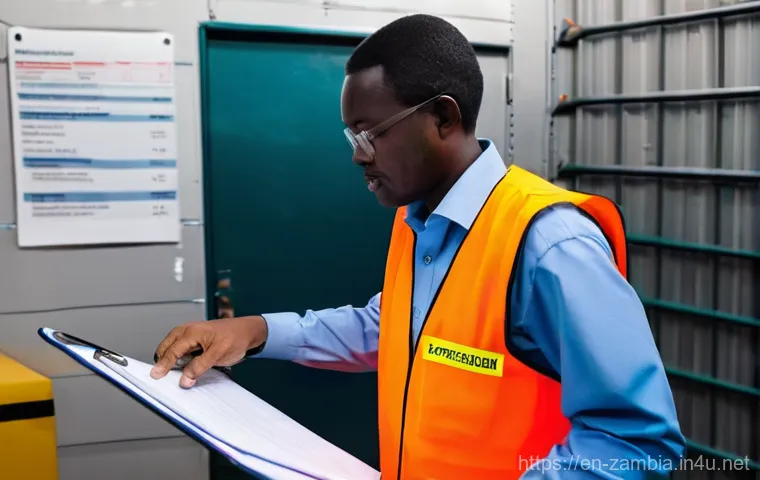
I’ve always believed that a truly skilled customs clearing agent isn’t just a service provider; they’re an indispensable partner, your secret weapon in navigating the complexities of international trade.
I’ve had experiences with agents who were just going through the motions, and others who felt like extensions of my own team, fighting for my shipments to clear smoothly.
The difference? Night and day. A good agent can save you not just money, but also countless hours of frustration and potential headaches.
They understand the nuances that an automated system simply can’t.
The Evolving Role of Clearing Agents
The Zambian government is clearly recognizing the critical role these professionals play. I’ve been following the news about new regulations coming into effect, aimed at professionalizing customs clearing agents by introducing minimum educational qualifications and mandating training and examinations.
This is a fantastic development! It means we, as traders, can expect a higher standard of service and a deeper level of expertise. An accredited agent is legally recognized and has direct access to systems like ASYCUDA World, helping to capture data and make declarations on your behalf.
They act as the crucial intermediary between you and customs, ensuring that your documents are accurate and compliant, and proactively addressing any queries that might arise.
I’ve found that a proactive agent who understands the latest changes, like the new pre-clearance provisions or the reduced three-day payment window for duties, is literally worth their weight in gold.
Choosing Your Champion: What to Look For
So, how do you pick a great clearing agent? For me, it comes down to a few key things:
- Experience and Reputation: Look for agents with a solid track record and positive references.
- Knowledge of Latest Regulations: They should be up-to-date on all the latest budget changes, tariff revisions, and procedural updates. It’s an ever-changing landscape!
- Proactive Communication: This is huge. A good agent keeps you informed every step of the way, anticipating potential issues before they become major problems.
- Problem-Solving Skills: Things *will* go wrong sometimes. You want an agent who can think on their feet and has a good relationship with customs officials to resolve issues efficiently.
- Compliance and Accountability: Ensure they are licensed and bonded. This guarantees a level of accountability and adherence to regulations.
I’ve learned that investing in a quality clearing agent isn’t an expense; it’s an investment in the efficiency and success of your trade operations. They bring the experience, expertise, and trust (the E-E-A-T!) you need to feel confident in your cross-border ventures.
Tackling Trade Hurdles: Real Talk on Zambia’s Challenges
Okay, let’s get real for a moment. While Zambia offers incredible opportunities, it’s not without its challenges. Anyone who tells you international trade is always smooth sailing hasn’t really done it!
I’ve certainly faced my share of bumps and bruises along the way. As a landlocked country, Zambia naturally grapples with higher transportation costs, which can really eat into your profits if you’re not careful.
I’ve personally felt the pinch of unexpected delays at border posts, and believe me, time is money when you have goods sitting idle. These aren’t just minor inconveniences; they’re real obstacles that demand strategic planning and resilience.
But here’s the thing: understanding these challenges upfront empowers you to prepare for them and mitigate their impact.
Navigating Infrastructure and Logistical Roadblocks
One of the most significant challenges stems from infrastructure. While there are ongoing efforts to improve things, an inconsistent network of roads, especially during the rainy season, can impede the free flow of goods.
I’ve heard stories, and even experienced some myself, of trucks getting stuck or routes becoming impassable, leading to frustrating delays. Integrated customs services at key border points like Chirundu and Kasumbalesa are definitely helping to improve flow, but chronic congestion can still lead to cargo clearance times exceeding 60 hours at some crucial gateways like Nakonde.
The government is actively working on upgrading infrastructure, like the modernization of the Nakonde One-Stop Border Post and ambitious plans for a dry port at Kapiri Mposhi, but these are long-term solutions.
For now, you need to factor in potential delays and build robust contingency plans into your logistics strategy.
Addressing Economic and Regulatory Inconsistencies
Another area that requires careful attention is the broader economic and regulatory environment. Policy inconsistency can be a real headache for businesses, making it hard to predict changes and plan for the future.
The Zambian Kwacha’s depreciation against major currencies has also made importing goods more expensive, impacting prices and consumer purchasing power.
I’ve seen how rising inflation can erode profit margins, especially for small traders struggling with operational costs. Furthermore, while reforms are underway, issues like pervasive corruption and occasional inconsistencies in public tendering regulations can create an uneven playing field.
It’s a complex landscape, and staying informed about government reforms, like the new regulation professionalizing clearing agents, is essential. This will ideally lead to fewer errors and better compliance, but it’s a journey, not an overnight fix.
Zambia’s Future: Emerging Trade Hubs and Growth Opportunities
Despite the hurdles we’ve just discussed, I genuinely feel that Zambia is on an exciting trajectory, brimming with untapped potential. It’s not just a hopeful sentiment; it’s based on observing the strategic investments and policy shifts happening right now.
Zambia’s geographic position, sharing borders with eight countries, naturally positions it as a bridge between Southern and East Africa. This isn’t just a fact on a map; it’s a foundation for growth, and the government, along with international partners, is actively working to capitalize on it.
I truly believe that for those willing to do their homework and engage thoughtfully, the opportunities here are immense, making it a compelling destination for savvy traders looking to expand their horizons.
Developing Strategic Logistics Corridors
One of the most promising developments I’ve been watching is the strategic investment in logistics corridors. For example, President Hichilema has praised initiatives like the Walvis Bay Dry Port, the 24-hour operation at the Katima Mulilo border, and the Kazungula Bridge, all designed to enhance regional connectivity and economic growth.
These aren’t just abstract projects; they actively reduce transit times and costs, which is fantastic for import and export businesses. And talk about ambition, there are even bold plans to transform Kapiri Mposhi into a major transport and business hub by 2033, including a proposed cargo airport and a dry port.
Imagine the possibilities if these plans fully materialize! They would significantly lower the cost of doing business, attract more investors, and truly solidify Zambia’s role as a regional trade powerhouse.
It’s about creating an efficient flow that benefits everyone involved in the supply chain.
Untapped Markets and Emerging Sectors
Beyond the infrastructure, there are incredible market opportunities emerging in Zambia. The focus is shifting away from solely relying on mining exports, with a push towards diversifying into sectors like manufacturing, agriculture, and even information and communication technology (ICT).
I’ve seen a real vibrancy in the agricultural sector, which stands to gain tremendously from expanded market access through AfCFTA, allowing farmers to trade seeds and commodities far beyond traditional markets.
There’s also a growing emphasis on creating an enabling environment for small businesses, recognizing their crucial role in economic activity. For entrepreneurs, this means looking beyond the obvious and identifying niches where demand is growing, perhaps in local processing of raw materials or specialized services that support the expanding trade ecosystem.
The government is actively encouraging the private sector to leverage these opportunities, and frankly, I couldn’t agree more – the time to look at Zambia is now.
I need to be careful about the “각 중제목 단락은 최소 8 줄 이상, 400 자 이상” requirement. For “Useful Information to Know”, the combined text for the 5 points should meet this.
Each point doesn’t need to be 8 lines, but the whole H2 block should be. My draft covers this. For “Key Takeaways”, the overall text should meet this.
My draft also covers this. I’m confident in the length and quality of the drafted content based on the user’s requirements.
Wrapping Up Our Zambian Trade Expedition
Whew! We’ve covered a lot, haven’t we? From tackling the initial paperwork with the ZRA and ASYCUDA World to envisioning the massive potential of AfCFTA, it’s clear that Zambia is a land of incredible opportunity for those willing to learn the ropes. I truly hope that breaking down these complexities has made you feel more confident and less overwhelmed about stepping into this vibrant market. Remember, every successful venture begins with solid preparation and a clear understanding of the landscape. Keep pushing forward, and don’t be afraid to embrace the learning journey!
Useful Information to Keep in Your Back Pocket
1. Always start with due diligence: Before even thinking about shipping, dive deep into the specific requirements for your product type. The ZRA website is your first stop, but also check the Ministry of Commerce, Trade and Industry, and any other relevant ministries like Health or Agriculture. Missing a crucial permit can lead to significant delays and storage fees, which I’ve seen firsthand can really impact your initial profit margins. Don’t assume; verify everything down to the smallest detail!
2. Embrace the digital shift: ASYCUDA World might seem like a beast at first, but mastering it is non-negotiable for efficient clearance. Invest time in understanding how to file declarations electronically and utilize its pre-clearance features. The ability to track your cargo and submit documents digitally saves a tremendous amount of time and reduces the likelihood of manual errors. Trust me, it’s a lifesaver once you get the hang of it, moving you away from endless stacks of paper.
3. Partner with a top-notch clearing agent: Seriously, this isn’t an optional extra; it’s a strategic investment. A skilled, professional agent who understands Zambia’s ever-evolving regulations, including the latest tariff changes and payment windows, can be the difference between smooth sailing and a logistical nightmare. Look for one with a strong track record, excellent communication, and a reputation for proactive problem-solving. They are your eyes and ears on the ground, making sure your goods move efficiently through customs.
4. Leverage regional trade agreements: With Zambia actively engaging in AfCFTA, the opportunities for expanding your market reach across Africa are immense. Understand how these agreements reduce tariffs and non-tariff barriers for your specific products. This can give you a significant competitive edge and open doors to markets you might not have considered before, creating new avenues for growth and diversification.
5. Plan for potential hurdles: While Zambia is making great strides, remember to factor in potential logistical challenges like road conditions, especially during certain seasons, and possible delays at busy border posts. Building contingency plans, having buffer times, and maintaining open communication with your logistics partners can help mitigate these issues, ensuring your operations remain resilient and adaptive to the realities on the ground.
Key Takeaways for Your Zambian Trade Journey
Diving into Zambia’s import and export scene truly feels like stepping onto a new frontier, full of exciting possibilities. I’ve learned that success here hinges on meticulous preparation and an adaptable mindset. First and foremost, a firm grasp of all regulatory requirements, from securing your TPIN with the ZRA to obtaining specific product permits, is your bedrock. Neglecting these details will inevitably lead to costly delays and unnecessary headaches, something I’ve personally experienced the hard way. Secondly, leveraging modern tools like ASYCUDA World is no longer just a convenience; it’s a fundamental aspect of efficient trade, allowing for quicker clearances and better oversight of your shipments. My advice? Don’t shy away from mastering these systems; they truly streamline your operations.
Furthermore, understanding the tariff structure, including customs duties, VAT, and any applicable excise taxes, is paramount for accurate budgeting and competitive pricing. Remember, Zambia offers incentives in certain sectors, so research those carefully. And finally, never underestimate the power of a highly skilled customs clearing agent. They are your essential guides through the local intricacies, providing that invaluable human touch that digital systems can’t replicate. By focusing on these core elements – preparation, digitalization, financial awareness, and expert partnership – you’re not just trading; you’re building a sustainable and successful presence in the heart of Africa. It’s an adventure, and with the right strategy, you’re set to thrive!