Zambia, a landlocked country in Southern Africa, is often celebrated for its breathtaking natural beauty, from the majestic Victoria Falls to the incredible wildlife of its national parks.
As a seasoned traveler who’s always chasing new adventures, I’ve found that navigating this vibrant nation often comes with a unique set of challenges and, thankfully, some fantastic solutions.
While road trips offer a glimpse into local life, when time is of the essence or you’re aiming for those remote safari lodges, domestic flights become your absolute best friend.
Seriously, trust me on this one – I’ve learned a thing or two about optimizing travel in places where every minute counts! The good news is that Zambia’s aviation industry has seen an impressive recovery and growth, with domestic passenger traffic not just returning to but surpassing pre-COVID-19 levels, recovering by 146% in Q2 2024 and 133% in Q1 2024.
This surge reflects the nation’s rising appeal for both business and leisure, including a significant boost in tourism with international arrivals jumping by 69% in 2024.
Airlines like Proflight Zambia, often considered the national airline, and the newer Zambia Airways (launched in partnership with Ethiopian Airlines in December 2021) are key players, expanding their networks to connect major hubs like Lusaka, Ndola, Livingstone, Mfuwe, and Solwezi.
However, as a traveler who’s experienced the quirks of African air travel firsthand, it’s crucial to stay updated on check-in times (usually 90 minutes before departure for domestic flights), luggage restrictions (often 12kg in soft bags for internal flights, especially to safari camps), and the competitive pricing driving this growth.
It’s not just about getting from A to B; it’s about making those vital connections to truly unlock the hidden gems of this incredible country. Ready to explore how to make the most of your Zambian domestic flights, from booking the best routes to understanding crucial travel tips?
Let’s dive in and truly master the skies over Zambia!
Zambia, with its awe-inspiring natural wonders and vibrant culture, has truly captured a piece of my heart, and I know I’m not alone! The surge in tourism, both international and domestic, is a testament to the country’s growing appeal.
With international arrivals skyrocketing by 35.3% in 2024 compared to 2023, reaching over 2.1 million visitors, and domestic tourism also seeing a healthy 9% increase, it’s clear that more and more people are discovering Zambia’s magic.
For us avid travelers, this means a more robust and interconnected local flight network, making those once-hard-to-reach safari lodges and hidden gems surprisingly accessible.
Trust me, I’ve navigated my fair share of bumpy roads in other parts of Africa, and the convenience of hopping on a plane to cut down travel time is truly a game-changer when you want to maximize your adventure.
The aviation industry here is absolutely buzzing, with passenger traffic not just bouncing back but significantly surpassing pre-COVID levels, showing a phenomenal 146% recovery in Q2 2024 for domestic routes alone!
This kind of growth is fantastic because it translates directly into more options and better service for us explorers. As someone who’s always looking for the most efficient way to travel, especially in a country as vast and beautiful as Zambia, understanding the ins and outs of domestic flights is key to unlocking an unforgettable journey.
Mastering the Skies: Essential Check-In & Boarding Protocols
Flying domestically in Zambia, much like anywhere else, has its own rhythm and rules, and getting these right can seriously smooth out your journey. From my own experiences, I’ve learned that while it might seem tempting to arrive at the last minute, especially at smaller airports, a little extra time goes a long way.
For most domestic flights, airlines like Proflight Zambia recommend you arrive at least 90 minutes before your scheduled departure time. This isn’t just a suggestion; it’s a golden rule to avoid any last-minute stress.
Check-in counters typically open 90 minutes before departure and close a firm 30 minutes prior. If you’re connecting from one Proflight flight to another and they’re on the same ticket, you might have a bit more flexibility, but it’s always best to inform the check-in staff about your onward connection.
The process itself is usually quite straightforward, often taking place in Terminal 1 at larger airports like Lusaka and Livingstone. After checking in, the next crucial step is security screening, and you’re generally asked to head to the gate boarding area once you’ve cleared it to ensure on-time departures.
I remember one time, trying to squeeze in an extra cup of coffee before heading to the gate, and almost missing my flight to Mfuwe – a mistake I definitely won’t repeat!
It’s all about respecting the schedule and ensuring everyone gets to their destination efficiently.
Knowing Your Airport and Airline Specifics
Each airport, no matter how small or large, has its own quirks. For instance, Lusaka’s Kenneth Kaunda International Airport is the main hub, and you’ll find domestic flights primarily operating from its designated domestic terminal.
However, even at a bustling hub like Lusaka, things can move at a more relaxed pace than in major international airports, which can sometimes lull you into a false sense of security.
Always double-check with your specific airline, as while general guidelines exist, individual carriers might have slightly different recommendations for arrival times, especially for domestic routes.
For example, Zambia Airways check-in counters generally open 2 hours before departure. It’s also worth noting that if you’ve done an online web check-in, which Proflight offers between 24 and 2 hours before domestic departure, you’ll still need to be at the boarding gate at least 30 minutes before the flight.
If you have baggage to drop off after checking in online, make sure to get to the baggage drop-off counter at least 45 minutes before departure. These small details can make a huge difference in your travel day!
ID Requirements for Domestic Journeys
Don’t forget your identification! For domestic travel within Zambia, passengers are typically required to present a valid photo ID. This can be your passport, a national registration card, or a valid driving license.
For infants, a birth certificate usually suffices. While these are the general rules, I always recommend verifying the specific ID requirements directly with your chosen airline before you fly, just to be absolutely certain.
There’s nothing worse than showing up at the airport only to find a minor detail holding you back from your next adventure!
Decoding Baggage Allowances: Your Guide to Packing Smart
Ah, luggage – the eternal traveler’s dilemma! When flying domestically in Zambia, especially if you’re heading to one of those incredible safari camps, packing smart isn’t just a suggestion; it’s a necessity.
Trust me, I’ve seen firsthand how strict these rules can be, and for good reason! Many internal flights, particularly those using smaller light aircraft to reach remote airstrips like those in South Luangwa or Lower Zambezi, have very specific and often quite limited luggage restrictions.
The general rule of thumb for these flights is usually around 12kg to 15kg per person, and crucially, your bags *must* be soft-sided. We’re talking duffel bags here, folks – no rigid suitcases, not even ones with semi-hard sides.
This is because those small aircraft belly pods are surprisingly compact and irregularly shaped, so soft bags can be squeezed in, while hard cases simply won’t fit.
I learned this the hard way on my first safari trip, trying to jam a seemingly ‘flexible’ suitcase into a tiny compartment, much to the amusement of the ground crew.
Never again!
Navigating Weight and Piece Concepts
While many safari charter flights stick to the 12-15kg soft bag rule, scheduled domestic airlines like Proflight Zambia have recently updated their policies, which is fantastic news!
Proflight now offers a generous 23kg free checked baggage allowance on all domestic routes, regardless of the fare type. And here’s where it gets even better: Proflight operates on a “weight concept” rather than a “piece concept,” meaning you can spread that 23kg across multiple bags.
This flexibility is a breath of fresh air, especially for those of us who travel with a bit more gear or souvenirs. They even allow you to share your baggage allowance with family or friends on the same reservation, or even with family under different reservations if your surnames match.
However, for routes like Lusaka-Ndola and Lusaka-Livingstone, the weight allowance is still capped at 23kg, while other light aircraft routes typically have a 15kg limit.
Always double-check your specific itinerary and the aircraft type!
Carry-On and Prohibited Items
Even with generous checked baggage, your carry-on is important. Proflight’s hand baggage allowance is typically 5kg. Zambia Airways, on the other hand, allows one piece of hand baggage with a maximum weight of 7kg, and specific dimensions of 20x40x55cm.
Remember, valuable items like cameras, laptops, cash, and essential medicines should *always* be in your carry-on, as they’re not covered by airline insurance in checked luggage.
Also, certain items are prohibited in both checked and carry-on bags for safety reasons, so it’s always wise to review the airline’s list of dangerous goods before you pack.
No one wants to hold up the line because of a forgotten power bank in a checked bag!
Exploring Zambia’s Airline Landscape
Zambia’s domestic flight scene is, thankfully, pretty streamlined, which makes choosing an airline less of a headache. The two main players you’ll encounter are Proflight Zambia and the relaunched Zambia Airways.
Each has its own distinct flair and network, and I’ve flown with both, experiencing the subtle differences firsthand. Proflight Zambia, often considered the de facto national airline, has been around for decades, operating scheduled flights to most major destinations and safari parks across the country.
They’re renowned for their reliability and extensive network, connecting Lusaka to key hubs like Livingstone (for Victoria Falls), Mfuwe (for South Luangwa), Ndola, and Solwezi.
Their fleet typically includes Bombardier CRJ-200 jets and Jetstream 41 aircraft, perfectly suited for Zambian conditions. What I appreciate about Proflight is their consistent service and the sheer number of routes they cover, often making complex itineraries surprisingly simple, even if it means connecting through Lusaka for most journeys.
Zambia’s Key Domestic Carriers
Zambia Airways, relaunched in December 2021 in partnership with Ethiopian Airlines, is the newer kid on the block, but don’t let that fool you – they’re quickly expanding their footprint.
Based out of Kenneth Kaunda International Airport in Lusaka, they offer flights to several domestic destinations including Livingstone, Ndola, and Solwezi, directly competing on some of Proflight’s busiest routes.
My experience with Zambia Airways has been great, with comfortable seats and a friendly crew, embodying that warm Zambian hospitality. The competition between these two carriers is a win for us travelers, often leading to more competitive pricing and a wider range of flight times.
When planning your trip, comparing options between these two is always a smart move.
| Airline | Key Domestic Hubs Served (Examples) | Typical Fleet (Domestic) | Checked Baggage (Domestic) | Notes from a Traveler |
|---|---|---|---|---|
| Proflight Zambia | Lusaka, Livingstone, Mfuwe, Ndola, Solwezi, Mansa, Kalumbila, Kasama | Bombardier CRJ-200, Jetstream 41 | 23kg (weight concept, multiple bags allowed) | Extensive network to safari parks, generally reliable, flexible baggage. |
| Zambia Airways | Lusaka, Livingstone, Ndola, Solwezi | (Partnership with Ethiopian Airlines) | Varies by class/route (e.g., 7kg carry-on) | Newer airline, expanding routes, good competition, friendly service. |
Considering Charter Options for Remote Access
Sometimes, even with the scheduled flights, your itinerary might be a bit too niche or your schedule too tight. That’s when private charter flights become an invaluable option.
Airlines like Skytrails Air Charter and Mahogany Air offer charter services, flying to even more remote airstrips that scheduled flights might not cover, including places like Mongu or Chipata.
While it sounds extravagant, chartering a plane isn’t always as expensive as you might think, especially if you can share the cost with other travelers heading to the same lodge or area.
I’ve personally found that the time saved and the sheer convenience of flying directly into a bush airstrip, sometimes seeing wildlife from above as you descend, is an experience in itself and often worth the investment if it makes your dream safari possible.
Crafting Your Route: Popular Domestic Flight Paths
Zambia is a country of incredible contrasts, from the thundering Victoria Falls to the vast wilderness of South Luangwa, and domestic flights are the arteries that connect these magnificent destinations.
Planning your flight path strategically can save you hours of travel time and really enhance your overall experience. Based on my numerous trips, some routes are absolute lifelines for tourists and business travelers alike.
The most common and busiest route, without a doubt, is between Lusaka (Kenneth Kaunda International Airport) and Livingstone (Harry Mwanga Nkumbula International Airport), home to the majestic Victoria Falls.
This route is consistently busy, with multiple daily flights offered by both Proflight Zambia and Zambia Airways, making it easy to hop between the capital and one of the world’s natural wonders.
Connecting to Zambia’s Iconic Destinations
Beyond Livingstone, other popular routes are crucial for accessing Zambia’s world-class safari parks. The flight from Lusaka to Mfuwe is your gateway to the South Luangwa National Park, famous for its walking safaris and incredible leopard sightings.
Similarly, flights to Jeki or Royal airstrips will get you into the heart of the Lower Zambezi National Park, known for its river-based safaris and abundant elephant populations.
While many routes connect through Lusaka, requiring a brief layover, Proflight has started introducing direct flights between certain safari destinations, like from South Luangwa to Lower Zambezi, which is a fantastic development for seamless safari combinations.
These direct links mean less time spent in transit and more time enjoying the magic of Zambia. For business travelers, routes like Lusaka to Ndola and Solwezi, serving the Copperbelt and mining regions, are frequently operated and essential for regional connectivity.
Planning for Safari-Specific Flights
When planning flights specifically for a safari, remember that the timing of these flights often aligns with safari camp transfer schedules. Many of the smaller bush flights operate in the mornings, ensuring you arrive at your lodge with plenty of daylight for your first game drive.
It’s a good idea to coordinate your flight bookings with your safari lodge or tour operator to ensure smooth transfers from the airstrip to your accommodation.
I’ve found that even if there’s a short wait at a small bush airstrip, it’s often an opportunity to soak in the incredible environment, watch local life, or even spot some early wildlife!
The domestic flight network isn’t just about getting you there; it’s an integral part of the adventure, offering breathtaking aerial views of Zambia’s diverse landscapes, from sprawling cities to untouched wilderness.
Budgeting for Your Zambian Air Adventure
Let’s talk money, because while domestic flights are incredibly convenient, they can definitely be a significant part of your travel budget. It’s true that local flights in Zambia aren’t always cheap, especially if you’re looking at last-minute bookings or high-demand routes, but they are often worth every Kwacha for the time saved and the experiences gained.
The good news is, with the recent growth and increased competition, there are certainly ways to make your travel funds go further. I’ve found that a bit of foresight and flexibility can really make a difference in securing better fares.
For example, booking your flights well in advance is almost always going to get you a better deal than waiting until the last minute. This is a pretty universal travel truth, but it holds especially true for popular routes during peak safari seasons.
Smart Strategies for Saving Kwacha
One of my top tips for budgeting is to keep an eye out for “flash fares” or special promotions that airlines like Proflight Zambia occasionally release.
These can offer significantly reduced prices on selected flights and routes for travel within the next few weeks. While they require some flexibility, snapping up one of these deals can save you a substantial amount.
Also, consider the time of year you’re traveling. The dry season (June to October) is peak tourist season, which often means higher prices for flights and accommodations due to increased demand.
Traveling just outside these peak months – perhaps in April or May after the rains, or in November as the green season begins – can sometimes yield lower fares and still offer fantastic wildlife viewing and pleasant weather.
I remember scoring a great deal on a flight to Livingstone by shifting my dates by just a few days, which gave me extra Kwacha to spend on an unforgettable sunset cruise on the Zambezi!
Don’t forget that park fees and conservation fees are additional costs, typically not included in flight prices.
Currency and Payment Convenience
When it comes to paying, you’ll generally find that flight prices are listed in Zambian Kwacha (ZMW). Many online booking platforms and airline websites, including Alternative Airlines, offer the convenience of paying in ZMW, often with a wide array of payment methods.
If you’re paying with a foreign credit card, be mindful of exchange rates and any potential foreign transaction fees your bank might charge. It’s always a good idea to check these details before finalizing your purchase to avoid any unwelcome surprises.
And a final, rather important, note on currency: if you plan to use US dollars for any payments while in Zambia, make sure your bills are not older than 2010, as many local banks and businesses do not accept older denominations.
Enhancing Your Flight Experience: Beyond the Ticket
Taking a domestic flight in Zambia is more than just getting from point A to point B; it’s an integral part of the adventure, offering unique perspectives and often surprising moments.
Having traveled extensively through this incredible country, I’ve found that the experience extends far beyond the moment you board the plane. From the relatively small and intimate airport environments to the stunning views from above, it’s all part of what makes Zambian travel so memorable.
The smaller airports often mean quicker processing times and a less chaotic atmosphere compared to larger international hubs, which I always find a welcome change.
Airport Ambiance and Local Interactions
At places like Kenneth Kaunda International Airport in Lusaka, you’ll find that domestic flights typically use a dedicated terminal or section, which keeps things relatively organized.
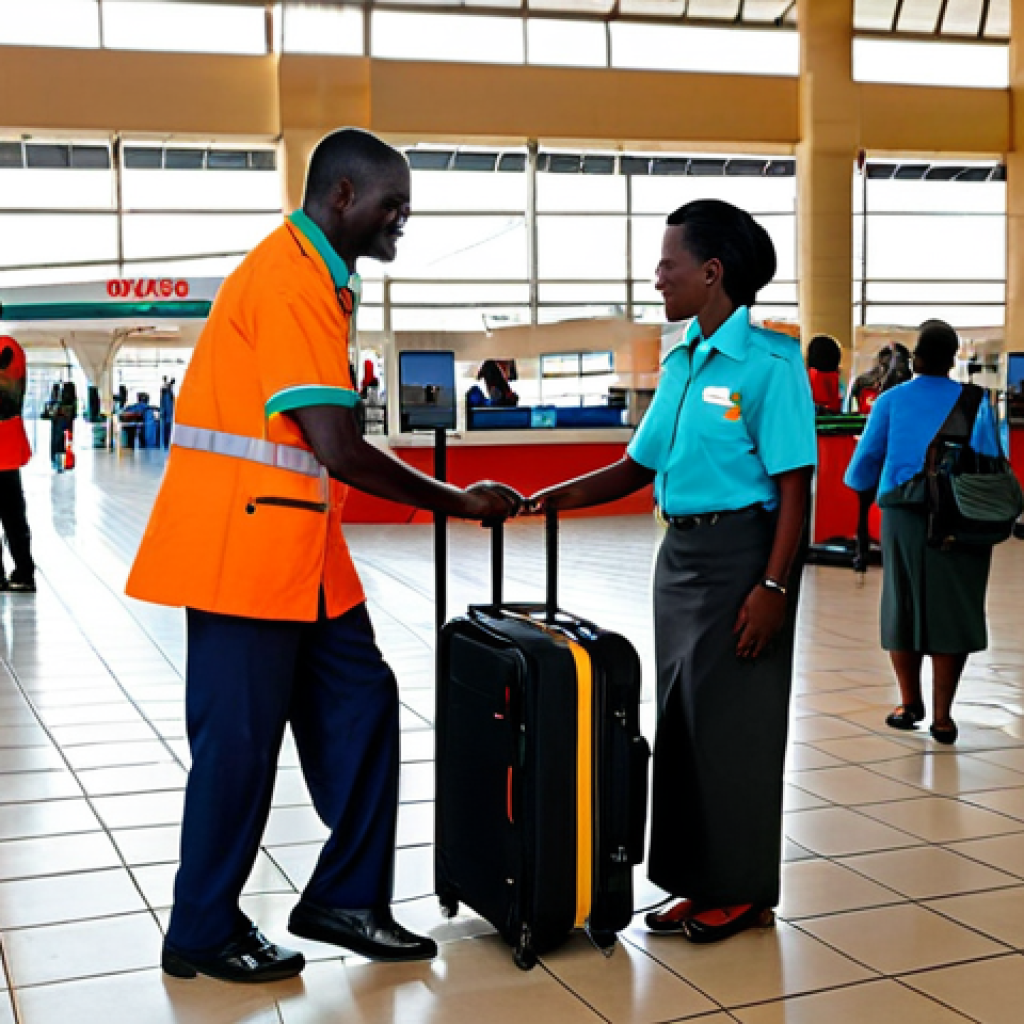
While you might not find sprawling duty-free shops, you’ll often encounter local craft vendors, small cafes, and friendly Zambian faces. I’ve had some wonderful conversations with fellow travelers and airport staff while waiting for flights, gaining insights into local life and recommendations for my next destination.
The atmosphere is generally relaxed, reflecting the laid-back pace of life in Zambia. It’s also worth noting that for domestic flights, passengers are generally required to pay a small departure fee in Kwacha before entering the departure hall, so always have some local currency on hand.
In-Flight Views and Safety Perceptions
Once airborne, prepare for some truly spectacular views. Flying over Zambia’s vast landscapes, whether it’s the winding rivers, dense bush, or sprawling cities, offers a unique perspective you just can’t get from the ground.
I particularly love the flights over the national parks, where you can sometimes spot herds of elephants or a meandering river from your window seat – a mini-safari from the sky!
The domestic airlines, particularly Proflight Zambia and Zambia Airways, prioritize safety and maintain their aircraft to international standards, giving travelers peace of mind.
While some might have reservations about smaller aircraft, my personal experience has always been one of professionalism and smooth, efficient service.
The cabin crew are typically very attentive, and on some smaller planes, you might even get a more personal touch than on larger international carriers.
It’s truly an experience that adds another layer of magic to your Zambian journey.
Seasonal Savvy: Timing Your Zambian Flights
Timing your domestic flights in Zambia isn’t just about finding the cheapest fare; it’s about aligning your travel with the country’s distinct seasons to get the most out of your adventure.
Zambia experiences a tropical climate, largely divided into a dry season and a wet (or green) season, and each has its own charm and implications for air travel and overall experience.
As someone who’s explored Zambia in different months, I can tell you that when you fly can significantly shape your safari sightings, the lushness of the landscape, and even the availability of certain flight routes.
Dry Season vs. Green Season Flying
The dry season, typically from June to October, is widely considered the prime time for safaris. During these months, wildlife congregates around shrinking water sources, making sightings more predictable and prolific.
The bush thins out, improving visibility, and the weather is generally sunny and warm, though nights can get quite cool in June-August. This is also peak tourist season, which means domestic flights to safari hotspots like Mfuwe and Livingstone are in high demand and often priced accordingly.
Booking well in advance is crucial during this period. I’ve found that late September and October can get *really* hot, especially in the lower-lying valleys like South Luangwa and Lower Zambezi, but the game viewing is often phenomenal as animals are desperate for water.
Conversely, the wet or green season, from December to April, transforms Zambia into a lush, vibrant paradise. This is a fantastic time for birdwatching, and the landscapes are breathtakingly green.
However, heavy rains, especially in January and February, can make many roads impassable, leading some safari camps to close down entirely. This directly impacts flight schedules, with some bush airstrips becoming inaccessible, and a reduced frequency of flights to certain areas.
On the upside, if you’re willing to embrace the occasional downpour, you might find lower flight prices and fewer crowds. Shoulder months like May and November can be particularly rewarding.
May, just after the rains, offers spectacular views of Victoria Falls at its fullest, without the overwhelming spray, and wildlife is still abundant. November, signaling the start of the green season, can bring dramatic afternoon thunderstorms, but the bush is still accessible, and you often catch the first wave of migratory birds and newborn animals.
It’s all about deciding what kind of Zambian experience you’re chasing and timing your flights accordingly!
Wrapping Up Your Zambian Flight Adventure
Wow, what a journey we’ve had exploring the ins and outs of domestic flights in Zambia! From navigating check-in protocols to decoding baggage allowances and understanding the airline landscape, I truly hope this guide empowers you to embark on your Zambian adventure with confidence and excitement.
As someone who has personally crisscrossed this incredible country by air multiple times, I can genuinely say that the convenience and unique perspectives offered by domestic flights are simply invaluable.
They transform what could be long, arduous road trips into swift, scenic aerial tours, letting you maximize your precious time exploring the wonders on the ground.
So, go ahead, start planning, and get ready to experience the magic of Zambia from a whole new vantage point – it’s an experience you absolutely won’t forget!
Useful Information to Know
1. Book in Advance for Better Deals: Just like anywhere else, securing your domestic flights in Zambia well in advance, typically 2-3 months before your travel date, can significantly save you some Kwacha. Last-minute bookings, especially during peak safari season (June to October), tend to be pricier due to high demand. Flexibility with your travel dates, perhaps flying mid-week, can also uncover better fares.
2. Soft-Sided Luggage is a Game-Changer for Safaris: If your itinerary includes flights to remote safari airstrips, remember that soft-sided bags are non-negotiable. Those small bush planes have incredibly compact and irregularly shaped baggage compartments, making rigid suitcases a no-go. Duffel bags are your best friend here!
3. Always Verify Airline Specifics: While I’ve shared general guidelines, each airline (Proflight Zambia and Zambia Airways) can have slight variations in their check-in times, ID requirements, and baggage policies, particularly for infants or children. A quick check on their official websites or a call to their customer service before you fly can save you a lot of hassle.
4. Budget for Airport Departure Fees: Although often included in your ticket price, a nominal departure tax for domestic flights is applicable at Zambian airports. It’s always a good idea to have some local currency (Zambian Kwacha) on hand, just in case, especially for smaller airports or if your ticket didn’t pre-include it.
5. Consider Travel Insurance for Peace of Mind: Unexpected delays or cancellations can happen with any travel, anywhere. Having comprehensive travel insurance that covers domestic flight disruptions can provide much-needed peace of mind, especially when navigating multi-leg itineraries in a foreign country. It’s an investment in a smoother, less stressful journey.
Key Takeaways
Domestic flights in Zambia are your golden ticket to exploring this diverse country efficiently and comfortably. Remember to arrive early for check-in (at least 90 minutes for Proflight, 2 hours for Zambia Airways) with a valid photo ID like your passport or national ID. Pack smart, especially for safari flights where soft-sided bags and strict weight limits (often 12-15kg, though Proflight offers 23kg on many routes) are the norm. Choose between Proflight Zambia for its extensive network to safari parks and flexible “weight concept” baggage, or Zambia Airways for competitive routes and friendly service. Booking in advance and traveling during shoulder seasons can help manage costs. Ultimately, embracing the ease of air travel here will unlock a truly unforgettable Zambian experience, letting you soak in every moment of its breathtaking beauty.
Frequently Asked Questions (FAQ) 📖
Q: Which airlines operate domestic flights within Zambia, and what are their primary routes?
A: Ah, this is a question I get asked all the time when people are planning their Zambian adventures! From my personal experience crisscrossing this incredible country, getting to grips with the domestic airlines is key to unlocking its hidden gems.
You’ve primarily got two main players, and a few smaller ones that often come in handy, especially for those wilder safari destinations. First up, there’s Proflight Zambia.
These guys have been around for a while, and honestly, they’re often considered the go-to for domestic travel. They’re like the dependable friend you can always count on.
From their main hub in Lusaka, they connect you to almost everywhere you’d want to go, including key spots like Livingstone (hello, Victoria Falls!), Mfuwe (your gateway to the stunning South Luangwa National Park), Ndola, Solwezi, Kasama, Mansa, and even seasonal flights into Kafue National Park.
I’ve personally flown with them countless times, and their fleet, including the comfortable Bombardier CRJ-200 jets and Jetstream 41 aircraft, makes for a pretty smooth journey.
They’re super efficient, which, trust me, is a blessing when you’re on a tight schedule. Then we have Zambia Airways, the national flag carrier, which, if you remember, was relaunched in partnership with Ethiopian Airlines back in December 2021.
It’s exciting to see them grow! They also operate regular domestic flights connecting Lusaka with Solwezi, Livingstone, and Ndola. While they’re still building up their network compared to Proflight, they’re a strong contender, and their expansion plans are quite ambitious.
I’m always keeping an eye on their new routes as they pop up! Beyond these two, you’ll also find a few smaller operators, particularly charter airlines like Mahogany Air (offering scheduled flights from Lusaka to places like Ndola, Livingstone, and Mansa) and Skytrails Air Charter (connecting various domestic spots including Mongu, Chipata, and more).
These can be lifesavers, especially if you’re headed to a really remote safari lodge or need a custom itinerary. The beauty of these options is the flexibility they offer, really making the vastness of Zambia feel a lot more accessible.
Q: What are the essential check-in procedures and luggage restrictions for domestic flights, especially when heading to a safari camp?
A: Oh, this is so important, and it’s where many first-time visitors can get caught out, especially when that safari excitement kicks in! From my own travels, I’ve learned that a little preparation here saves a lot of stress.
Let’s talk check-in first. For domestic flights within Zambia, particularly with airlines like Proflight, you’ll typically find that check-in opens about 90 minutes before your scheduled departure.
And here’s a crucial tip: it usually closes 30 minutes before the flight. My advice? Always aim to be at the airport at least 90 minutes prior.
It just gives you that buffer for any unexpected queues or last-minute coffee runs. Trust me, I’ve cut it close a few times, and the anxiety isn’t worth it!
Plus, with Proflight, you often have the option for online check-in between 48 hours and an hour before your flight, which can be a real time-saver. Now, luggage restrictions – this is where you really need to pay attention, especially if your itinerary includes those incredible safari camps.
For standard domestic flights between major cities like Lusaka and Livingstone, you might get a checked baggage allowance of around 23kg (about 50lbs) plus a hand luggage allowance of 5kg (around 11lbs).
This is fairly generous, right? But here’s the kicker: if you’re taking those smaller, inter-camp flights, or flying directly into a safari lodge airstrip, the rules change drastically.
These are often on light aircraft, which have very limited cargo space. I’ve seen allowances as low as 15kg (around 33lbs) total per person, and that includes your hand luggage and camera gear!
And the biggest rule of all for safari flights? Soft bags are not just recommended, they’re often mandatory! Forget your rigid suitcases; they simply won’t fit into the oddly shaped compartments of those smaller planes.
Think duffel bags or soft-sided backpacks. They need to be squishable! Dimensions are also often specified, so always check with your airline or tour operator.
For instance, some specify a maximum of 25cm wide x 30cm high x 62cm long. It’s also wise to pack just 3-4 outfits; most safari camps offer fantastic (and often free!) laundry services, which I’ve utilized countless times to keep my packing light.
It’s all about efficiency when you’re chasing those incredible wildlife encounters!
Q: Why are domestic flights considered the best way to travel around Zambia, especially when planning a safari?
A: As someone who lives for adventure and has explored Zambia extensively, I can tell you unequivocally: domestic flights are your absolute best friend here, especially if you’re dreaming of a safari!
While I love a good road trip for soaking in local life, time is often of the essence, and Zambia is a big country. The most compelling reason, hands down, is time-saving.
Zambia’s major tourist attractions, like Victoria Falls in Livingstone, or the incredible wildlife havens of South Luangwa (Mfuwe) and Kafue National Park, are often separated by vast distances.
Driving between them can take an entire day, or even longer, on roads that aren’t always in tip-top shape. A quick hop on a plane, however, can get you there in an hour or two.
I’ve personally experienced the relief of flying over miles of bumpy roads, knowing I’m saving precious vacation time that can be better spent on a game drive or by the Zambezi River.
Secondly, domestic flights offer unparalleled convenience and accessibility to remote areas. Many of the most pristine and wildlife-rich safari lodges are tucked away deep within national parks, often reachable only by small aircraft landing on private airstrips.
You simply can’t get to these hidden gems by road without adding significant travel time and logistical headaches. These flights literally connect you directly to the heart of the wilderness.
My most unforgettable safari experiences have always involved these short, scenic flights, offering breathtaking aerial views of the landscape and even spotting wildlife from above!
Lastly, the growth of Zambia’s aviation industry makes this all even better. As you’ve seen, passenger traffic has bounced back strongly, even surpassing pre-pandemic levels.
This means more frequent flights, expanding networks, and generally more options for travelers. Airlines like Proflight and Zambia Airways are continually enhancing their routes and services, making it easier than ever to connect Lusaka, Ndola, Livingstone, Mfuwe, and Solwezi.
This surge in air travel truly reflects Zambia’s rising appeal for both business and leisure, especially with international arrivals jumping. It’s a clear sign that flying domestically is not just a luxury, but often the most practical and efficient way to truly experience all that this vibrant nation has to offer, without missing a beat!
📚 References
Wikipedia Encyclopedia
구글 검색 결과
구글 검색 결과
구글 검색 결과
구글 검색 결과
구글 검색 결과