Zambia, a landlocked country in Southern Africa, is renowned for its abundant wildlife and stunning landscapes, including the iconic Victoria Falls. However, beneath the surface of this natural beauty, lies a growing concern: environmental degradation.
From deforestation driven by charcoal production and agriculture to the pollution of vital water sources by mining activities, the challenges are multifaceted and deeply intertwined with the socio-economic realities of the nation.
I’ve seen firsthand the impact of these issues while traveling through the countryside, noticing the dwindling forests and the strain on local communities.
There’s a real urgency to understand the scale and scope of these environmental problems, especially considering the potential long-term effects. Let’s explore this topic in greater detail in the following article.
The Silent Crisis: Deforestation and Its Ripple Effects
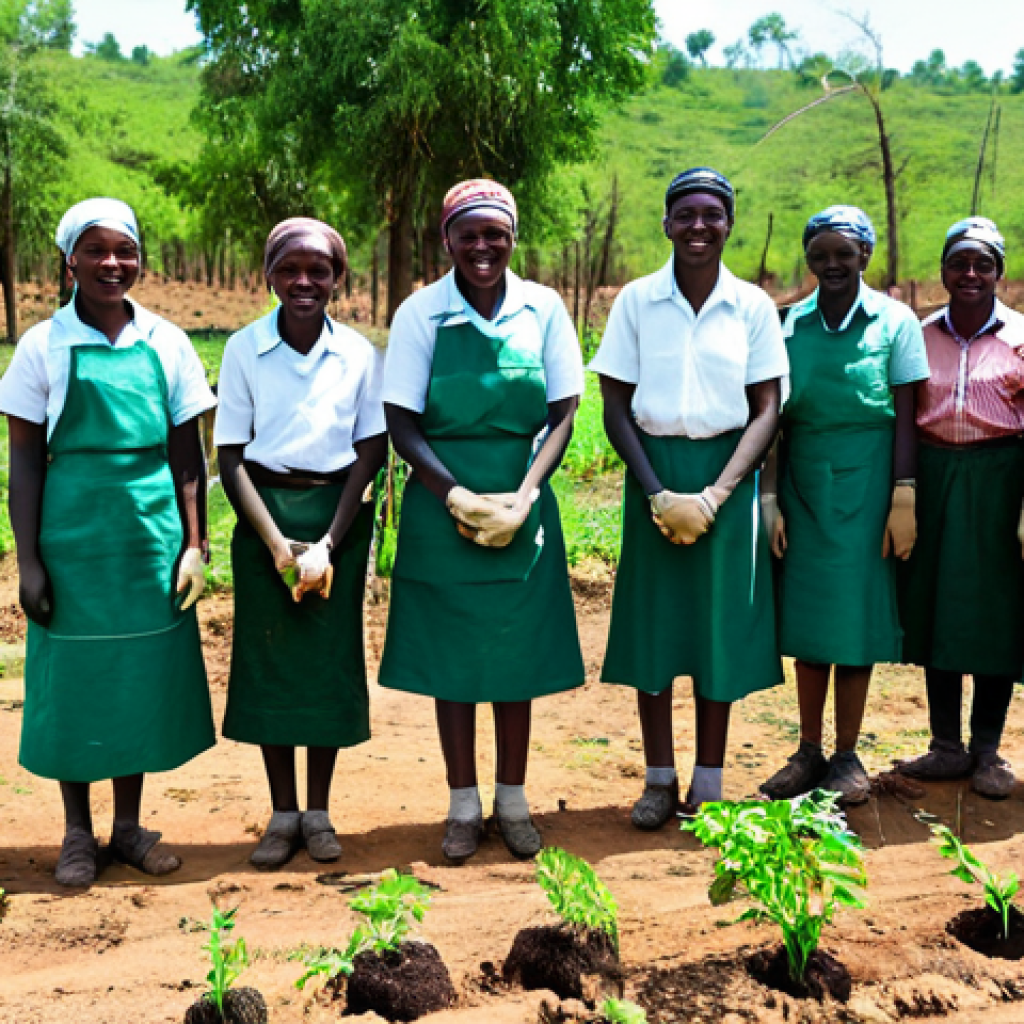
Deforestation in Zambia is not just about losing trees; it’s about disrupting entire ecosystems and impacting the livelihoods of communities that depend on them.
I remember driving through areas that were once lush forests, now barren landscapes dotted with stumps. The air felt different, thinner, and the silence was deafening, a stark contrast to the vibrant sounds of wildlife I had expected.
The primary driver behind this is the demand for charcoal, a cheap and readily available fuel source for many households. Agriculture also plays a significant role, as land is cleared for farming to feed a growing population.
The problem is exacerbated by unsustainable logging practices and a lack of effective reforestation efforts. The consequences are far-reaching, leading to soil erosion, loss of biodiversity, and increased vulnerability to climate change.
The loss of trees also reduces the amount of carbon dioxide absorbed from the atmosphere, contributing to global warming. It’s a vicious cycle, and breaking it requires a multi-pronged approach that addresses both the economic needs of the people and the long-term sustainability of the environment.
We need innovative solutions like promoting alternative energy sources and implementing sustainable farming practices to protect Zambia’s forests for future generations.
1. The Charcoal Conundrum: Fueling Deforestation
The reliance on charcoal as a primary fuel source is deeply ingrained in Zambian society. It’s affordable, accessible, and requires no specialized equipment to use.
However, the production of charcoal is a highly inefficient process, requiring large quantities of wood to produce relatively small amounts of fuel. This demand is driving rampant deforestation, particularly around urban areas where the demand is highest.
I remember visiting a village where nearly every family was involved in charcoal production, felling trees day in and day out. They knew it was harmful, but they had few other options to earn a living.
The challenge is to find sustainable alternatives that are equally affordable and accessible, such as solar power, biogas, or improved cookstoves. These solutions not only reduce deforestation but also improve air quality and reduce the health risks associated with burning charcoal indoors.
2. Agricultural Expansion: Clearing the Land for Farms
As Zambia’s population grows, so does the demand for food, leading to the clearing of forests for agricultural land. While agriculture is essential for food security, unsustainable farming practices can have devastating consequences for the environment.
Slash-and-burn agriculture, where forests are cleared and burned to create farmland, is a common practice that releases large amounts of carbon dioxide into the atmosphere and depletes the soil of its nutrients.
Over time, the land becomes infertile, forcing farmers to clear more forests in a continuous cycle of destruction. Sustainable farming practices, such as crop rotation, conservation tillage, and agroforestry, can help to improve soil fertility, reduce erosion, and increase crop yields, while minimizing the need to clear more forests.
The Dark Side of Mining: Water Pollution and Habitat Destruction
Zambia is rich in mineral resources, particularly copper, but the extraction of these resources comes at a significant environmental cost. Mining activities can lead to water pollution, soil contamination, and habitat destruction, impacting both human health and biodiversity.
I’ve seen rivers turned orange with mine tailings and heard stories of communities suffering from respiratory problems and other health issues due to exposure to toxic chemicals.
The problem is often compounded by lax environmental regulations and a lack of enforcement, allowing mining companies to operate with little regard for the environment.
There’s a pressing need for stricter environmental standards, better monitoring of mining activities, and greater transparency in the mining sector to ensure that the benefits of mining are not outweighed by the environmental costs.
Furthermore, it’s crucial to invest in remediation efforts to clean up contaminated sites and restore damaged ecosystems.
1. Toxic Runoff: Poisoning Zambia’s Water Sources
One of the most significant environmental impacts of mining is water pollution. Mining operations often generate large quantities of wastewater containing heavy metals and other toxic chemicals.
If this wastewater is not properly treated and disposed of, it can contaminate rivers, lakes, and groundwater, rendering them unfit for human consumption and harming aquatic life.
I recall visiting a community that relied on a nearby river for drinking water, only to discover that the water was heavily polluted with copper and other metals.
The community was forced to rely on expensive bottled water or travel long distances to find alternative water sources. This situation highlights the urgent need for stricter regulations on wastewater treatment and disposal, as well as better monitoring of water quality around mining areas.
2. Habitat Loss: Eradicating Biodiversity Hotspots
Mining activities can also lead to significant habitat loss, as forests and other ecosystems are cleared to make way for mines and infrastructure. This can have a devastating impact on biodiversity, as animals and plants lose their homes and food sources.
I’ve seen firsthand how mining operations can transform vibrant ecosystems into barren wastelands, devoid of life. The problem is particularly acute in areas with high biodiversity, such as the Copperbelt region, which is home to a wide range of endemic species.
To mitigate the impact of mining on biodiversity, it’s essential to conduct thorough environmental impact assessments before any mining project is approved and to implement measures to minimize habitat loss and restore degraded areas.
The Plastic Plague: Waste Management Challenges
The global plastic crisis has reached Zambia, creating significant waste management challenges. With rapid urbanization and increased consumption, the amount of plastic waste generated is growing exponentially, overwhelming the existing waste management infrastructure.
I’ve seen plastic bags and bottles littering the streets, clogging drains, and polluting rivers and lakes. The problem is exacerbated by a lack of awareness about the environmental impacts of plastic and a lack of incentives for recycling.
There’s a need for a comprehensive approach to waste management that includes reducing plastic consumption, promoting recycling, improving waste collection and disposal, and raising awareness about the environmental impacts of plastic.
1. Overflowing Landfills: The Unseen Crisis
Zambia’s landfills are overflowing with waste, including large quantities of plastic. These landfills are often poorly managed, leading to environmental pollution and health risks.
Leachate, a toxic liquid that forms when waste decomposes, can contaminate groundwater and soil. The burning of waste in landfills releases harmful pollutants into the air, contributing to air pollution.
I remember visiting a landfill on the outskirts of Lusaka, where mountains of waste stretched as far as the eye could see. The smell was overwhelming, and the air was thick with smoke.
The situation highlights the urgent need for better waste management practices, including reducing waste generation, promoting recycling, and improving landfill management.
2. Rivers of Plastic: Polluting Waterways
Plastic waste is also polluting Zambia’s rivers and lakes, harming aquatic life and threatening water supplies. Plastic bags and bottles can block drains, leading to flooding and creating breeding grounds for mosquitoes.
Microplastics, tiny plastic particles that result from the breakdown of larger plastic items, can be ingested by fish and other aquatic organisms, potentially entering the food chain and harming human health.
I saw a documentary about the impact of plastic pollution on the Zambezi River, one of Africa’s largest rivers, and it was truly alarming. The river was choked with plastic waste, and fish were dying from ingesting plastic particles.
This underscores the urgent need to reduce plastic consumption and prevent plastic waste from entering waterways.
Climate Change: An Existential Threat Multiplier
Climate change is not just an environmental issue; it’s an existential threat that exacerbates all other environmental challenges facing Zambia. With rising temperatures, changing rainfall patterns, and increased frequency of extreme weather events, climate change is impacting agriculture, water resources, and human health.
I’ve spoken with farmers who have lost their crops due to drought and seen communities displaced by floods. The effects of climate change are disproportionately impacting the most vulnerable populations, who are least able to adapt to the changing climate.
There’s a need for urgent action to reduce greenhouse gas emissions and to build resilience to the impacts of climate change. This includes investing in renewable energy, promoting sustainable agriculture, improving water management, and strengthening disaster preparedness.
1. Droughts and Floods: A Tale of Two Extremes
Zambia is experiencing more frequent and intense droughts and floods as a result of climate change. Droughts can lead to crop failures, water shortages, and food insecurity.
Floods can displace communities, damage infrastructure, and spread waterborne diseases. I remember reading a news report about a devastating drought that left millions of Zambians in need of food assistance.
The drought had wiped out crops and livestock, leaving communities struggling to survive. This highlights the urgent need for climate-resilient agriculture, including drought-resistant crops, irrigation systems, and water harvesting techniques.
2. Impact on Agriculture: The Backbone of Zambia
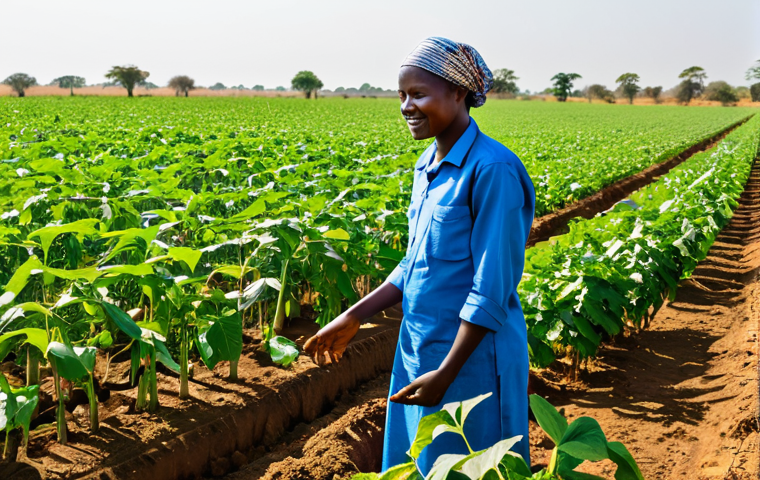
Agriculture is the backbone of Zambia’s economy, providing livelihoods for a large percentage of the population. Climate change is threatening agricultural production, with droughts, floods, and changing rainfall patterns impacting crop yields and livestock production.
I spoke to a farmer who said that his yields had declined significantly over the past decade due to climate change. He was struggling to adapt to the changing climate and feared for his family’s future.
This underscores the urgent need to support farmers in adapting to climate change by providing them with access to climate information, drought-resistant crops, and sustainable farming practices.
| Environmental Issue | Main Causes | Consequences | Potential Solutions |
|---|---|---|---|
| Deforestation | Charcoal production, agricultural expansion, unsustainable logging | Soil erosion, biodiversity loss, climate change, loss of livelihoods | Promote alternative energy sources, sustainable farming, reforestation |
| Water Pollution | Mining activities, industrial discharge, agricultural runoff | Harm to human health, aquatic life, water shortages | Stricter environmental regulations, wastewater treatment, sustainable agriculture |
| Plastic Waste | Increased consumption, lack of recycling, poor waste management | Environmental pollution, harm to aquatic life, health risks | Reduce plastic consumption, promote recycling, improve waste management |
| Climate Change | Greenhouse gas emissions from human activities | Droughts, floods, impacts on agriculture, water resources, human health | Reduce greenhouse gas emissions, build climate resilience, invest in renewable energy |
Community-Based Conservation: Empowering Local Guardians
Effective environmental protection requires the involvement and empowerment of local communities. These communities are often the most affected by environmental degradation and have a vested interest in protecting their natural resources.
I believe that the key is to empower communities to become the guardians of their environment by providing them with the knowledge, resources, and authority to manage their natural resources sustainably.
Community-based conservation initiatives can be highly effective in protecting forests, wildlife, and water resources. These initiatives often involve local communities in decision-making processes, provide them with economic incentives to protect natural resources, and empower them to enforce environmental regulations.
1. Wildlife Management: Coexistence and Sustainability
Zambia is home to a rich diversity of wildlife, but many species are threatened by poaching, habitat loss, and human-wildlife conflict. Community-based wildlife management initiatives can help to protect wildlife by involving local communities in anti-poaching patrols, habitat restoration, and eco-tourism activities.
I’ve seen successful examples of community-based wildlife management in Zambia, where local communities have become active partners in conservation efforts.
These communities benefit from tourism revenues and are empowered to protect wildlife from poaching and other threats. This approach fosters a sense of ownership and responsibility, ensuring the long-term sustainability of wildlife conservation efforts.
2. Sustainable Resource Use: Balancing Needs and Conservation
Sustainable resource use is essential for ensuring that local communities can meet their needs without compromising the environment. Community-based resource management initiatives can help to promote sustainable resource use by empowering communities to manage their forests, fisheries, and other natural resources in a way that balances economic development with environmental protection.
I spoke to a community leader who had successfully implemented a community-based forest management program. The program had not only protected the forest from deforestation but had also provided the community with a sustainable source of income from timber and non-timber forest products.
This highlights the potential of community-based resource management to promote both economic development and environmental conservation.
Education and Awareness: Cultivating Environmental Stewardship
Education and awareness are critical for fostering a sense of environmental stewardship among the Zambian population. Many people are unaware of the environmental challenges facing the country and the importance of protecting natural resources.
I believe that education and awareness campaigns can help to change attitudes and behaviors, inspiring people to take action to protect the environment.
These campaigns should target all segments of society, from school children to adults, and should use a variety of media, including radio, television, and social media, to reach a wide audience.
Environmental education should be integrated into the school curriculum, and communities should be provided with access to information about environmental issues and sustainable practices.
1. Schools as Green Hubs: Nurturing Future Leaders
Schools can play a vital role in promoting environmental education and fostering a sense of environmental stewardship among young people. Schools can incorporate environmental education into the curriculum, organize environmental clubs, and implement green initiatives, such as recycling programs and tree planting activities.
I remember visiting a school that had transformed its campus into a green oasis, with gardens, composting bins, and renewable energy systems. The students were actively involved in environmental projects and were passionate about protecting the environment.
This demonstrates the potential of schools to become green hubs, nurturing future environmental leaders.
2. Community Outreach: Spreading the Message
Community outreach programs can help to raise awareness about environmental issues and promote sustainable practices among the wider population. These programs can include workshops, public lectures, film screenings, and community clean-up campaigns.
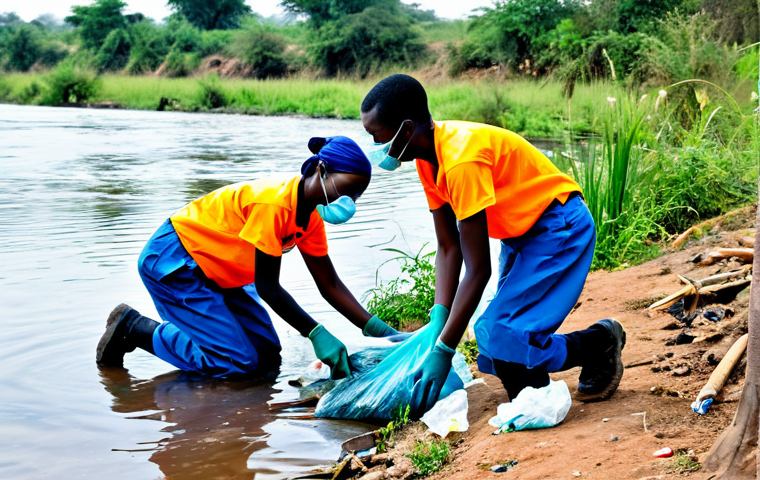
I participated in a community clean-up campaign that was organized by a local environmental group. The campaign brought together people from all walks of life to clean up a local park that had been littered with trash.
The experience was both rewarding and inspiring, demonstrating the power of collective action to address environmental challenges. Deforestation, mining, plastic waste, and climate change are all interconnected challenges that require urgent and concerted action.
By empowering local communities, promoting education and awareness, and adopting sustainable practices, we can protect Zambia’s environment for future generations.
It’s not just about saving trees or cleaning up pollution; it’s about creating a more just and sustainable society for all. The solutions are within our reach, but we must act now before it’s too late.
In Conclusion
As we’ve explored the multifaceted environmental challenges facing Zambia, it’s clear that collective action is the cornerstone of progress. From deforestation driven by charcoal production to the pervasive threat of climate change, the issues are interconnected and demand comprehensive solutions. By empowering local communities, fostering environmental stewardship through education, and adopting sustainable practices, we can pave the way for a healthier, more resilient future for Zambia.
Good to Know Information
1. Sustainable Charcoal Alternatives: Consider using briquettes made from agricultural waste or investing in a solar cooker. These options reduce deforestation and provide cleaner energy.
2. Eco-Friendly Tourism: When visiting Zambia, choose eco-lodges and tour operators that prioritize conservation and support local communities. Your tourism dollars can directly contribute to environmental protection.
3. Recycling Initiatives: Support local recycling programs and encourage businesses to adopt sustainable packaging practices. Even small actions like properly disposing of plastic waste can make a big difference.
4. Water Conservation Tips: Practice water-saving measures at home and in your community. Simple changes like fixing leaks, using water-efficient appliances, and collecting rainwater can help conserve this precious resource.
5. Support Local Conservation Organizations: There are many dedicated organizations working to protect Zambia’s environment. Consider volunteering your time or donating to support their efforts.
Key Takeaways
Deforestation & Charcoal: Transition to sustainable fuel sources like solar and biogas.
Mining & Water Pollution: Advocate for stricter regulations and responsible mining practices.
Plastic Waste: Reduce plastic consumption, recycle, and support waste management initiatives.
Climate Change: Invest in renewable energy and promote climate-resilient agriculture.
Community Empowerment: Support local communities in managing and protecting their natural resources.
Frequently Asked Questions (FAQ) 📖
Q: What are the primary drivers of deforestation in Zambia, and how are they impacting the environment and local communities?
A: Having spent some time chatting with locals and observing the landscape firsthand, it’s clear that charcoal production for cooking and expansion of agricultural land are major culprits behind Zambia’s deforestation problem.
It’s a tough situation, because families need to cook and make a living, but cutting down trees at this rate strips the land bare, leads to soil erosion, disrupts water cycles, and reduces biodiversity.
I remember driving through areas where you could see how the once-dense forest was now just patchy farmland and charcoal piles. The consequences ripple through the whole ecosystem, affecting everything from rainfall patterns to the availability of wild fruits and animals that communities rely on.
It really hits home when you see the immediate impact on the people who depend on those resources.
Q: In what ways does mining contribute to environmental pollution in Zambia, and what measures are being taken to mitigate these effects?
A: Mining, particularly copper extraction, is a significant source of water and soil pollution in Zambia. I’ve read reports and spoken with folks who live near mining areas, and the stories are troubling.
The release of heavy metals and chemicals from mining operations contaminates rivers and groundwater, which are crucial for drinking, agriculture, and fishing.
You hear about instances where entire stretches of rivers become unusable, poisoning livestock and crops. While there are environmental regulations and some mining companies are implementing measures like waste water treatment and land rehabilitation, enforcement is often weak, and the scale of the problem is immense.
It’s a constant battle between economic development and environmental protection.
Q: What are some potential long-term consequences of environmental degradation in Zambia, and what steps can be taken to address these challenges effectively?
A: Looking ahead, if Zambia doesn’t get a handle on its environmental issues, the long-term consequences could be severe. Imagine increased desertification leading to food insecurity, more frequent droughts and floods due to disrupted weather patterns, and the loss of its unique biodiversity.
It’s a real possibility that communities will be displaced, conflicts over dwindling resources will escalate, and the country’s tourism industry, which relies on its natural beauty, will suffer.
To tackle this, there needs to be a multi-pronged approach: sustainable agriculture practices, stricter environmental regulations and enforcement, investment in renewable energy sources to reduce reliance on charcoal, and community-based conservation efforts.
I think it all boils down to empowering local communities to become stewards of their environment, providing them with the resources and knowledge they need to protect it for future generations.
📚 References
Wikipedia Encyclopedia
구글 검색 결과
구글 검색 결과
구글 검색 결과
구글 검색 결과
구글 검색 결과