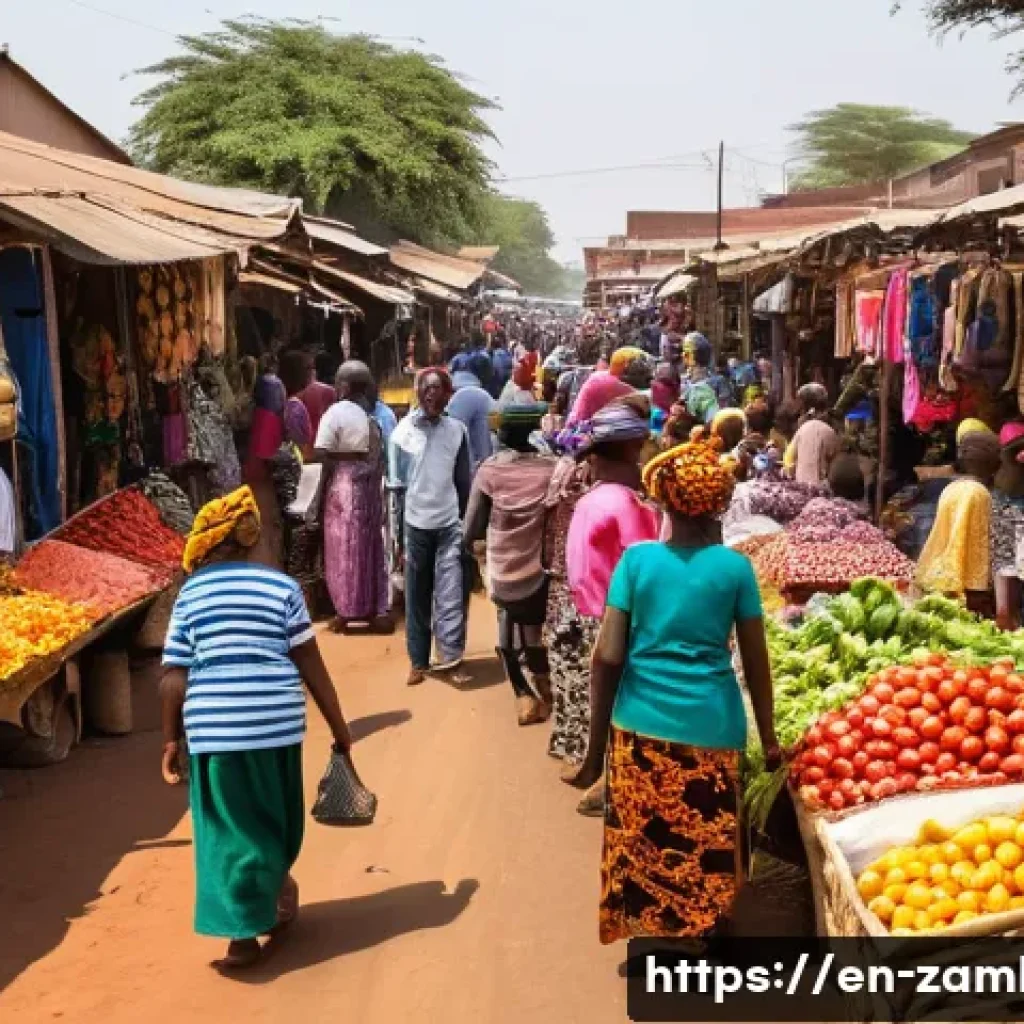
Alright, fellow adventurers! If you’re anything like me, the very mention of Zambia conjures up images of breathtaking Victoria Falls, thrilling safaris, and a vibrant culture just waiting to be explored.
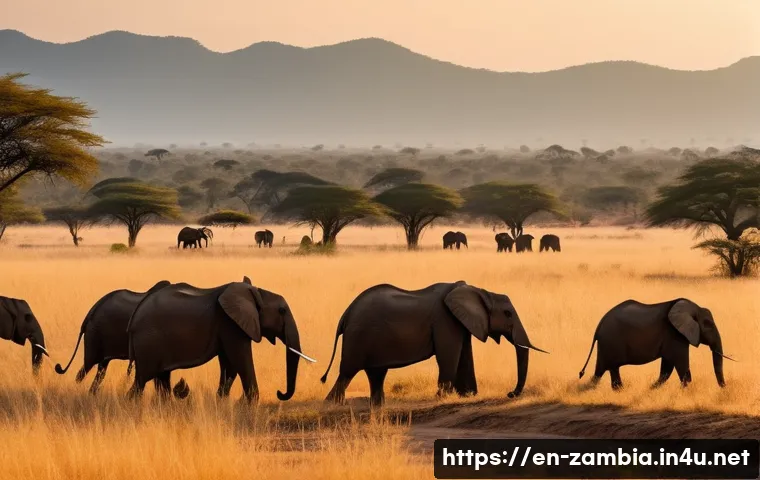
I remember feeling a mix of exhilaration and a tiny flutter of nerves before my first trip, wondering about everything from navigating local markets to staying safe in bustling cities.
Zambia is an absolutely incredible destination, a true jewel of Southern Africa, but like any journey to an unfamiliar place, a little preparation goes a long way.
I’ve learned firsthand that understanding some key aspects of local customs, health precautions, and practical safety measures can transform a good trip into an unforgettable one.
From the latest updates on health advisories, like the recent concerns around the Kafue River’s water quality, to clever ways to handle your Kwacha without falling for common tourist traps, there’s so much to uncover that will ensure your experience is smooth and joyous.
It’s all about embracing the adventure confidently and respectfully. Let’s get you ready for the trip of a lifetime! We’re going to dive deep into exactly what you need to know to travel smartly and safely.
Getting Savvy with Zambian Kwacha and Market Adventures
Stepping off the plane in Lusaka for the very first time, I remember feeling a thrilling mix of excitement and a touch of apprehension about managing my money. Dealing with a new currency can always be a bit daunting, and Zambia’s Kwacha is no exception. My advice? Get acquainted with the local exchange rates before you go. I always found that while credit cards are increasingly accepted in larger hotels and established tourist spots, cash is king, especially when you venture into the vibrant local markets or smaller towns. ATMs are readily available in major cities, but always be cautious about which ones you use – stick to reputable banks. It’s also a smart move to carry smaller denominations for everyday purchases, as change can sometimes be an issue for larger notes. I quickly learned that having a mix of Kwacha and a small stash of USD for emergencies or larger tour payments was a lifesaver. Plus, haggling is definitely part of the market experience, but remember to do it with a friendly smile and a respectful attitude; it’s more about the interaction than aggressively driving down prices.
Exchange Rates and ATM Savvy
Before my trip, I always check the current exchange rates online and even download an offline currency converter app. This little trick has saved me from mental math errors and helped me quickly assess if I was getting a fair deal. When it comes to ATMs, stick to those inside bank branches or major shopping centers. I once tried using a standalone ATM late at night, and while nothing bad happened, I felt a lot more vulnerable than I would have in a well-lit, busy area. Always inform your bank about your travel plans to avoid your card being flagged for suspicious activity. Trust me, having your card blocked halfway across the world is a headache you absolutely want to avoid! Also, be mindful of the transaction fees from both your bank and the local ATM, which can quickly add up if you make many small withdrawals.
Haggling with a Smile: Market Etiquette
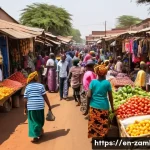
My first foray into a Zambian market was an experience in itself! The colors, the smells, the lively chatter – it’s truly immersive. When you’re buying crafts or souvenirs, a bit of friendly negotiation is expected. I found that approaching it with a warm greeting and a genuine interest in the item, rather than just the price, often led to a more pleasant interaction and sometimes even a better deal. Remember, for many vendors, this is their livelihood. Don’t be disrespectful or pushy. Sometimes, even if you can get an item for a few Kwacha less, the value of a positive interaction and supporting local artisans far outweighs the minor saving. It’s all part of embracing the local culture and making genuine connections.
Keeping Your Health in Check: Beyond the Basics
Health is one of those things you simply cannot compromise on when traveling, especially to a new continent. Before I even thought about packing my bags for Zambia, I made a beeline for my doctor to get all my vaccinations updated and to discuss any specific health concerns. The peace of mind that comes with knowing you’re adequately protected is invaluable. Beyond the standard travel vaccinations, malaria prevention is absolutely non-negotiable for most parts of Zambia. I religiously took my prescribed antimalarials, and always covered up during dusk and dawn, using plenty of insect repellent. It’s not just about the big illnesses either; sometimes, it’s the smaller things like a persistent stomach bug that can really put a damper on your adventure. That’s why paying close attention to what you eat and drink is paramount. I’ve learned from experience that a little caution goes a very long way in ensuring you stay healthy and enjoy every moment of your trip.
Understanding Water Quality and Food Safety
This is where my personal experience really shines a light on things. I vividly remember hearing about concerns regarding water quality, especially around certain areas like the Kafue River. My rule of thumb in Zambia, and really, anywhere I travel where I’m unsure, is to stick to bottled water. Always check the seal! I even used bottled water for brushing my teeth. For food, I generally preferred eating at places that looked busy with locals, as that’s usually a good sign of fresh, regularly prepared meals. I avoided raw salads unless I was absolutely sure they were washed with purified water, and peeled all fruits myself. While street food is tempting and often delicious, I made sure to choose vendors who were preparing food fresh and hot right in front of me. Trust your gut – literally! If something doesn’t look or smell quite right, it’s best to err on the side of caution.
Essential Vaccinations and Travel Insurance
Getting your jabs sorted is step one. Yellow Fever vaccination is often a requirement for entry, especially if you’re coming from or transiting through a country with risk of Yellow Fever transmission. Beyond that, typical recommendations include Hepatitis A & B, Typhoid, Tetanus, and Measles, Mumps, Rubella (MMR). But please, consult your doctor or a travel clinic well in advance; they’ll have the most up-to-date and personalized advice for your itinerary. And speaking of preparedness, comprehensive travel insurance is non-negotiable. I’ve heard too many stories of travelers getting into unforeseen accidents or needing emergency medical evacuation, only to face exorbitant bills because they skipped on insurance. It covers everything from medical emergencies to lost luggage and trip cancellations. Think of it as your safety net; you hope you never need it, but you’re incredibly grateful to have it if you do.
Navigating the Urban Jungle and Wild Frontiers Safely
Zambia offers an incredible blend of bustling city life and untamed wilderness, and each environment comes with its own set of safety considerations. My first few days in Lusaka taught me a lot about street smarts – things you pick up quickly when you’re out and about. It’s all about being aware of your surroundings and not making yourself an obvious target. When I transitioned from the city to the national parks for safari, the safety rules changed entirely, shifting from urban vigilance to respecting the power of nature and wildlife. The key to a smooth and safe trip across both landscapes is preparation and adherence to local advice. Never underestimate the importance of local guides and trustworthy operators; their knowledge is truly your best asset in unfamiliar territory. From personal experience, being well-informed and taking sensible precautions allows you to truly relax and soak in the incredible beauty without unnecessary worry.
Personal Safety in Cities
In Lusaka, as in any large city, common sense goes a long way. I always tried to avoid walking alone at night, especially in dimly lit areas. Taxis are generally a safe bet, but I made sure to use reputable companies or have my hotel arrange them. If I hailed one off the street, I’d quickly confirm the fare before getting in – this avoids any unpleasant surprises at your destination. I also kept my valuables out of sight, never flashing expensive cameras or electronics. A small, cross-body bag worn in front of me gave me peace of mind for my passport and cash. While I loved chatting with locals, I learned to politely decline overly persistent offers for tours or goods. My approach was always to be friendly but firm, and to trust my gut feeling about people and situations. It’s not about being paranoid, but being pragmatic and protecting yourself.
Safari Safety and Wildlife Wisdom
Oh, safaris! They are truly magical. But remember, you’re entering the animals’ home. My biggest takeaway from my safari experiences is to always, always listen to your guides. They are experts, and their instructions are for your safety. Never get out of the vehicle unless your guide explicitly tells you it’s safe. I witnessed firsthand how quickly a calm scene can change when a wild animal feels threatened. When you’re at a lodge, especially one with an unfenced perimeter, be mindful of walking around alone after dark. Many lodges provide escorts to and from your tent or room for a reason – wild animals roam freely. Flash photography is often discouraged, particularly at night, as it can startle animals. Respect their space, their routine, and their natural behavior, and you’ll have an incredible, safe encounter with Zambia’s magnificent wildlife.
Embracing Local Customs and Cultural Connections
One of the richest parts of my travel experiences, especially in a country as culturally vibrant as Zambia, is diving headfirst into the local way of life. It’s more than just sightseeing; it’s about connecting with people, understanding their traditions, and showing genuine respect for their customs. I remember feeling a bit awkward at first, unsure of the right greetings or how to dress appropriately, but a little effort goes a long way. The Zambian people are incredibly welcoming and gracious, and they truly appreciate it when visitors make an effort to understand and respect their culture. From simple greetings in a local language to understanding the nuances of gift-giving, these small gestures can open doors to deeper, more meaningful interactions. It really transforms your trip from a standard tourist itinerary into a truly immersive adventure.
Dress Codes and Respectful Interactions
When I was planning my wardrobe, I quickly learned that conservative dress is generally appreciated in Zambia, especially outside of major tourist hubs. For women, this means covering your shoulders and knees. I found light, loose-fitting clothing made from natural fibers like cotton to be ideal – comfortable for the heat and respectful of local customs. For men, shorts are fine for casual wear, but long trousers are more appropriate for more formal occasions or visits to religious sites. When greeting people, a handshake is common, often accompanied by a “Muli bwanji?” (How are you?) in Nyanja or Bemba. Taking photos of people, especially children, is a wonderful way to capture memories, but always ask for permission first. A simple nod or “Can I take your picture, please?” can make all the difference, and you might even make a new friend in the process.
Language Basics and Greetings
While English is the official language and widely spoken, especially in urban areas and tourist centers, learning a few phrases in local languages like Nyanja or Bemba can really enhance your interactions. My attempts at “Zikomo” (Thank you) or “Eya” (Yes) were often met with warm smiles and genuine appreciation. It shows you’re making an effort to connect, and it’s a wonderful icebreaker. I found that even just a few words could bridge cultural gaps and lead to more engaging conversations. People appreciate the effort, even if your pronunciation isn’t perfect. I always recommend carrying a small phrasebook or having a translation app on your phone; it can be incredibly helpful in market situations or when interacting with people in more rural areas where English might be less common.
Transportation Tactics: Getting Around Like a Pro
Getting around in Zambia can be an adventure in itself, and I’ve experienced it all, from comfy safari vehicles to the bustling minibuses! Understanding your options and knowing a few key tips can really make a difference in your travel experience. While some might find the public transport a bit overwhelming at first, it’s also an incredibly authentic way to see the country and interact with locals. I quickly learned that patience is key, and flexibility is your best friend when it comes to Zambian transport. Whether you’re planning on sticking to organized tours or venturing out independently, having a grasp of the various modes of getting from A to B will definitely smooth your journey. Trust me, a little research into local transport options beforehand can save you time, stress, and even a bit of money.
From Taxis to Minibuses: Your Options
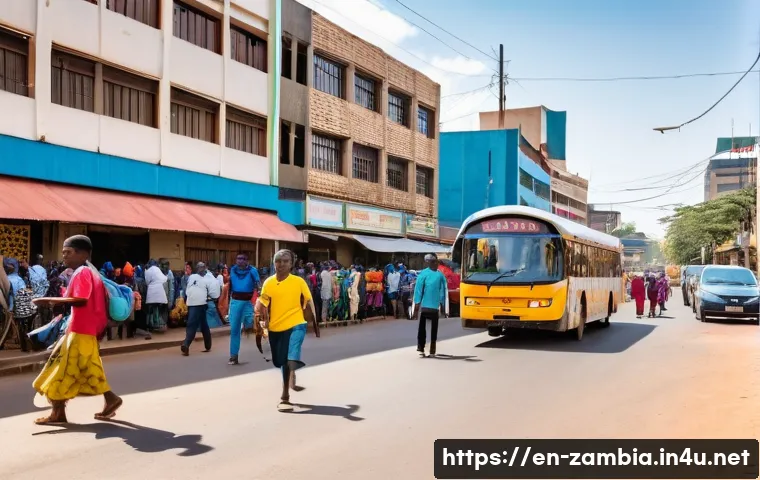
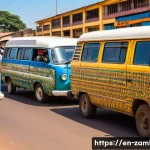
In cities, taxis are plentiful. My advice, as mentioned before, is to confirm the fare upfront. Some taxis are metered, but many operate on a negotiated price. Don’t be shy to haggle a bit! For a more local experience, minibuses (often called ‘combis’) are incredibly common and cost-effective, but they can be crowded and often depart when full, not on a set schedule. They traverse fixed routes, so you’ll need to know your destination and potentially ask locals for guidance on which combi to take. For longer distances between towns, intercity buses are a good option. They are generally more comfortable than combis for longer journeys. For safaris, most lodges and tour operators provide their own specialized vehicles, which are usually well-maintained and driven by experienced guides. I found that having a mix of pre-booked transfers and using local options for shorter hops worked best for me.
Road Conditions and Driving Tips
If you’re considering renting a car and driving yourself, be prepared for varying road conditions. Major highways connecting cities are generally paved and in decent condition, but once you venture off these, you can expect dirt roads, potholes, and sometimes very challenging terrain, especially during the rainy season. A 4×4 vehicle is often recommended, particularly if you plan to visit national parks or remote areas. Driving in Zambia can be quite different from what you might be used to; traffic can be unpredictable, livestock often roam freely, and local driving habits can be, let’s just say, spirited. I personally opted for guided transfers and safari vehicles for longer journeys, preferring to leave the driving to experienced locals who knew the roads like the back of their hand. If you do drive, ensure you have comprehensive insurance, a spare tire (or two!), and emergency contacts. It’s also wise to avoid driving at night outside of major urban areas due to poor lighting and potential hazards.
| Transportation Type | Best For | Key Considerations |
|---|---|---|
| Taxi | Urban travel, airport transfers, short distances | Confirm fare beforehand, use reputable companies, readily available in cities. |
| Minibus (Combi) | Local short-distance travel, budget-friendly | Crowded, no fixed schedule (departs when full), authentic local experience, know your route. |
| Intercity Bus | Long-distance travel between major towns | More comfortable than combis for long trips, generally adhere to schedules, pre-book for popular routes. |
| Safari Vehicle | National park game drives, lodge transfers | Specialized 4×4, driven by experienced guides, essential for wildlife viewing, usually pre-arranged with tour/lodge. |
| Self-Drive (Rental Car) | Flexibility, experienced drivers, off-the-beaten-path exploration | 4×4 recommended for rural/park roads, variable road conditions, avoid night driving, comprehensive insurance vital. |
Maximizing Your Adventure: Hidden Gems and Eco-Tourism
While Victoria Falls rightly steals the spotlight, my travels have shown me that Zambia holds so many more incredible experiences beyond its most famous landmark. It’s a country brimming with hidden gems and untouched wilderness, offering opportunities for truly unique adventures. I’ve always been drawn to places that allow me to connect with nature in a profound way and also ensure that my presence contributes positively to the local environment and communities. This focus on responsible tourism, or eco-tourism, isn’t just a buzzword; it’s a way to ensure that these breathtaking landscapes and vibrant cultures are preserved for future generations of travelers, and that the benefits truly reach the people who call Zambia home. Digging a little deeper into what Zambia offers beyond the typical tourist trails can lead to some of the most memorable and impactful moments of your trip.
Beyond Victoria Falls: Exploring Kafue and South Luangwa
Don’t get me wrong, Victoria Falls is absolutely breathtaking and a must-see! But if you really want to experience Zambia’s wild heart, I highly recommend venturing to national parks like Kafue and South Luangwa. My visit to South Luangwa was life-changing; the walking safaris there are legendary, offering an unparalleled intimacy with the bush. I’ve never felt more connected to nature than walking silently through the tall grass, spotting elephants and impalas with an expert guide. Kafue, on the other hand, is one of Africa’s largest national parks and offers a more rugged, off-the-beaten-path experience. I remember feeling like I had the entire wilderness to myself there. These parks offer incredible biodiversity and are fantastic for spotting the ‘big five’ without the crowds you might find in more famous African parks. Each visit felt like a true privilege, a glimpse into an untouched world.
Supporting Local and Sustainable Travel
When I travel, I always try to make choices that benefit the local people and protect the environment. In Zambia, this means choosing tour operators and lodges that actively engage in conservation efforts and community development programs. I’ve found that many safari lodges in places like South Luangwa are deeply committed to these principles, employing local staff, sourcing local produce, and investing in anti-poaching initiatives. By choosing these types of establishments, you’re not just enjoying a fantastic holiday; you’re directly contributing to the well-being of the communities and the preservation of Zambia’s incredible wildlife. It also means buying souvenirs from local artisans, eating at local restaurants, and engaging with small businesses. Every Kwacha you spend locally helps support families and strengthens the regional economy. It’s a wonderful feeling to know that your adventure is also making a positive difference.
Wrapping Things Up
Well, friends, as we draw this adventure to a close, I hope you’ve felt a bit of the magic and wisdom I’ve gathered from my incredible journeys through Zambia. It’s a place that truly gets under your skin, in the best possible way! From navigating the vibrant markets of Lusaka to feeling the spray of Victoria Falls and experiencing the serene wilderness of its national parks, every moment was a lesson, a laugh, and a memory etched forever. The warm smiles, the rich culture, and the sheer natural beauty of Zambia are something you have to experience to truly understand. This isn’t just a trip; it’s an immersion, a genuine connection with a land and its people that will leave you richer in spirit and longing to return.
Handy Tips for Your Zambian Journey
1. Visa Ready: Always check current visa requirements for your nationality well in advance of your trip. Some nationalities can get a visa on arrival, or you might consider the KAZA Univisa if you plan to visit Zimbabwe or Botswana as well. Ensure your passport has at least six months’ validity and two blank pages.
2. Cash is King (with a side of cards): While credit cards are accepted in major hotels and larger establishments in cities like Lusaka and Livingstone, carrying Zambian Kwacha (ZMW) is essential, especially for local markets, smaller vendors, and rural areas. Consider keeping some USD for larger payments or emergencies.
3. Dress with Respect: Zambian culture values modesty, particularly outside of tourist hotspots. For women, this generally means covering shoulders and knees. Lightweight, loose-fitting clothing in neutral tones is ideal for comfort and cultural sensitivity.
4. Hydrate and Protect: The African sun can be intense! Always carry a reusable water bottle and stay hydrated. Don’t forget high-SPF sunscreen, sunglasses, a wide-brimmed hat, and strong insect repellent (especially with DEET) to protect against mosquitoes. Consult your doctor about anti-malarial medication.
5. Embrace the Local Pace: Zambia operates at its own rhythm, which is often slower than what you might be used to. Embrace the flow, stay flexible with your plans, and be open to unexpected changes. This mindset will help you truly enjoy the experience without unnecessary stress.
Key Takeaways
My journey through Zambia has taught me that preparation and an open heart are your best companions. Prioritize health and safety by getting vaccinations, securing travel insurance, and being street smart in urban areas and wildlife-aware in the bush. Embrace the local culture with respectful interactions and by learning a few basic phrases. When it comes to logistics, having a mix of cash and cards, understanding local transport nuances, and researching sustainable tour operators will make your trip smoother. Most importantly, remember that Zambia offers more than just sights; it offers genuine connections and a profound sense of adventure that will stay with you long after you’ve returned home.
Frequently Asked Questions (FAQ) 📖
Q: What are the absolute must-know safety and health tips for exploring Zambia, especially with recent environmental concerns like those around the Kafue River?
A: Oh, this is such a crucial question, and honestly, it’s always the first thing I dive into when planning any trip! Zambia is generally a safe and incredibly welcoming country, but just like anywhere else in the world, a little awareness goes a long long way.
From my own experiences, staying safe and healthy starts with smart preparation. First off, let’s talk about health. Before you even pack your bags, make an appointment with your doctor or a travel clinic.
They’ll advise you on necessary vaccinations – things like yellow fever (which might be a requirement depending on where you’re coming from), typhoid, and Hepatitis A and B are pretty standard recommendations.
Malaria is definitely a concern in Zambia, so you absolutely need to discuss anti-malarial medication options with your doctor and make sure you stick to the regimen.
And please, bring plenty of good insect repellent and use mosquito nets if they’re provided – those little buzzers are no joke! Now, the important update about water: there have been some serious concerns recently about the water quality, particularly around the Kafue River, due to industrial pollution.
A massive discharge of mining wastewater containing chemicals and heavy metals occurred in February 2025, which affected the Mwambashi Stream and then the Kafue River.
This actually made the river unusable for a while, impacting everything from local livelihoods to aquatic life. So, my golden rule is always, always stick to bottled water for drinking, brushing your teeth, and even for cooking if you’re self-catering, especially in rural areas or near affected regions like the Kafue River basin.
Boiling water won’t remove heavy metals, so don’t rely on that if you suspect contamination. Also, a word of caution: swimming in rivers and lakes isn’t advisable, not only because of potential pollution but also due to risks from wildlife and parasites like schistosomiasis.
When I was there, I always made sure to double-check water sources, and honestly, opting for sealed bottled water just gave me so much peace of mind. In terms of general safety, Zambia is pretty chill, but opportunistic crime like pickpocketing and bag snatching does happen, especially in busy city centers and tourist hotspots.
I always recommend keeping your valuables out of sight – seriously, that flashy watch or expensive camera might look great, but it can draw unwanted attention.
Use your hotel safe, carry only what you need for the day, and consider a money belt for essentials. At night, stick to pre-arranged transport and avoid walking alone.
I learned quickly that being extra vigilant at ATMs is smart; try to use them during daylight hours and inside secure locations if possible. Road conditions can be challenging too, particularly outside major towns after dark, due to unlit vehicles, pedestrians, and animals.
If you’re venturing out after sunset, it’s best to hire a local, experienced driver. Trust your gut feeling – if a situation feels off, it probably is.
Just be smart, be aware, and you’ll have an incredible time!
Q: Navigating currency and payments in a new country can be tricky. What’s the best way to handle money in Zambia, avoid common tourist traps, and ensure I’m always getting a fair deal?
A: Ah, money matters! This is where a bit of insider knowledge truly shines. From my many adventures, I can tell you that understanding the local currency and payment landscape makes all the difference for a smooth and enjoyable trip.
Zambia’s official currency is the Zambian Kwacha (ZMW), and let me tell you, cash is absolutely king here, especially once you step outside the main cities or tourist areas.
You’ll encounter banknotes in denominations like K2, K5, K10, K20, K50, K100, and K200, with some new K200 and K500 notes being introduced recently in March 2025.
My top tip? Always carry a good stash of smaller bills – those K10s, K20s, and K50s are invaluable. Trying to pay for a small market purchase with a K200 note can sometimes lead to a scramble for change, or worse, you might end up overpaying because they “don’t have” the correct change.
I’ve definitely been in situations where having smaller denominations saved me from awkward haggling! When it comes to getting cash, ATMs are readily available in major cities like Lusaka and Livingstone.
Visa cards tend to be more reliably accepted than Mastercards at Zambian ATMs, but always check with your bank beforehand about international withdrawal fees.
I personally found that using ATMs inside established banks or shopping malls felt a bit more secure, and it’s wise to avoid withdrawing cash after dark.
For exchanging foreign currency, skip the airport if you can help it, as their rates are often less favorable. Instead, head to reputable banks or licensed forex bureaus in urban centers for the best rates.
And please, steer clear of anyone offering to exchange money on the black market – it might seem like a good deal, but it’s risky and often a scam. While major hotels, upscale restaurants, and larger supermarkets in Lusaka and Livingstone do accept credit and debit cards (mainly Visa and Mastercard), don’t rely on them as your sole payment method.
Outside these areas, card machines are a rarity, and even when they are available, power outages or network issues can sometimes make them unreliable.
Mobile money services like MTN Mobile Money are popular with locals, but typically require a local SIM card and registration, so they’re not always practical for short-term visitors.
Lastly, a quick note on tipping: it’s not mandatory, but it’s always appreciated for good service. About 10% in restaurants is a nice gesture if service isn’t already included.
For safari guides and trackers, around $5-10 per person per day is a common guideline, and rounding up a taxi fare is always a kind move. Being prepared with cash and understanding these nuances will help you navigate Zambia’s financial landscape like a seasoned pro!
Q: I want to truly immerse myself in Zambian culture. What are the key customs, etiquette, and ways to interact respectfully with locals to make the most authentic connections during my visit?
A: Oh, this is my favorite part of traveling anywhere – truly connecting with the local culture! Zambians are renowned for their incredible warmth and hospitality, and honestly, making a genuine effort to understand their customs will unlock some of the most rewarding experiences of your trip.
I remember one time, trying to navigate a local market, and just a simple, respectful greeting opened up a fantastic conversation and helped me find exactly what I was looking for!
The first thing you’ll notice is how important greetings are here. It’s not just a quick “hello”; it’s a fundamental part of social interaction. Always offer a handshake – a firm, friendly one is standard.
You might even find yourself shaking hands multiple times with the same person, upon meeting and parting. Taking a moment to ask “How are you?” or “Muli bwanji?” (in Nyanja, one of the local languages) and waiting for a response shows genuine interest and respect.
It goes a long way in making people feel comfortable and acknowledged. Respect for elders is another cornerstone of Zambian culture. When you’re speaking to someone older, it’s polite to use formal titles like “Sir” or “Madam,” and in more traditional settings, you might even hear “Uncle” or “Auntie.” In some rural areas, if an elder enters a room, people might stand up as a sign of respect.
It’s a beautiful tradition that highlights the value placed on wisdom and experience. Dress modestly, especially when you’re visiting villages or religious sites.
While urban areas like Lusaka are a bit more relaxed, women, particularly, should aim to cover their shoulders and knees. It’s not about strict rules, but rather showing respect for local sensibilities.
On a safari, comfortable casual wear is fine, but when you’re interacting with communities, being a little more conservative is always a thoughtful choice.
One thing that often surprises first-time visitors is the etiquette around food. If you’re offered food or drink in a Zambian home, it’s considered polite to accept, even if you’re not particularly hungry.
Refusing an offering can sometimes be seen as disrespectful to your host’s hospitality. You don’t have to finish everything, but even a small taste shows appreciation.
Meals are often communal, with everyone sharing from central dishes like “nshima” (a staple made from maize porridge). Remember to wash your hands before and after the meal, and generally use your right hand for eating.
Finally, if you’re keen on photography, which I totally get because Zambia is stunning, always, always ask for permission before taking photos of people.
Some people might prefer not to be photographed, especially elders or in more sacred settings. A simple gesture or asking “May I take your picture?” can prevent any misunderstandings and ensures your interaction is positive and respectful.
By embracing these simple yet profound customs, you’re not just visiting Zambia; you’re becoming a part of its incredible story.