Hey there, amazing readers! You know, sometimes the true backbone of a nation lies hidden in plain sight, and for me, Zambia’s agricultural economy is a prime example.
I’ve always been captivated by how the land itself can shape destinies, and from my own perspective, Zambia’s vast, fertile landscapes tell an incredible story of resilience and immense potential.
It’s not just about growing crops; it’s a vibrant tapestry of livelihoods, innovation, and an undeniable drive towards a more prosperous future. While staples like maize are undeniably central, the exciting shifts towards diversified farming and sustainable practices are really catching my eye, presenting some truly unique challenges and groundbreaking opportunities.
So, what’s really cooking in Zambia’s fields, and how is it influencing not just the local communities but the broader economic landscape? Let’s dive in and precisely uncover the full picture!
From Maize Monoculture to a Kaleidoscope of Crops
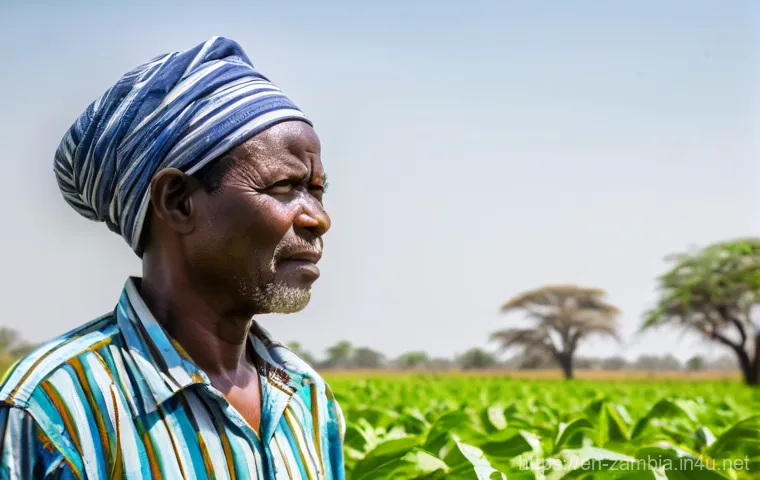
You know, for the longest time, when I thought of Zambian agriculture, my mind immediately went to maize. It’s been the undisputed king of the crops, the staple that feeds the nation, and truly, the cornerstone of so many family meals.
But what I’ve genuinely noticed, especially in recent years, is an incredible, almost palpable shift happening across the fields. Farmers are beginning to look beyond the tried and true, experimenting with a vibrant array of other crops, and honestly, it’s exhilarating to witness.
This isn’t just about adding a few new vegetables; it’s a strategic move towards diversifying the entire agricultural base, aiming for more economic stability and improved nutritional outcomes.
I’ve seen firsthand how initiatives encouraging the cultivation of soybeans, groundnuts, and various horticultural products are not only boosting farmers’ incomes but also making the local markets a much more colorful and exciting place to shop.
It really feels like the farming community is embracing a new era of agricultural entrepreneurship, moving away from the vulnerabilities of relying too heavily on a single crop, which, let’s be real, can be a risky game in today’s unpredictable climate.
The discussions I’ve had with farmers reveal a genuine excitement about these new opportunities, especially when they see the direct impact on their livelihoods and the ability to provide more diverse foods for their families and communities.
It’s a journey, for sure, but one filled with immense promise and a sense of growing empowerment that is truly inspiring.
Embracing New Cash Crops for Economic Resilience
One of the most significant changes I’ve observed is the enthusiastic adoption of various cash crops. Farmers, particularly smallholders, are increasingly seeing the value in cultivating crops like soybeans, which have a strong market demand for oil and animal feed, or groundnuts, which are not only nutritious but also improve soil fertility.
It’s a smart move that spreads risk and offers multiple income streams. I’ve heard countless stories from farmers who, by dedicating a portion of their land to these crops, have seen a noticeable improvement in their financial stability, allowing them to invest more in their children’s education or improve their homes.
This diversification isn’t just a trend; it’s a fundamental shift in strategy.
Horticulture’s Blooming Potential
Beyond the traditional field crops, there’s a fantastic surge in horticulture. The demand for fresh fruits and vegetables is constantly growing, both locally and regionally, and Zambian farmers are stepping up to meet it.
From tomatoes and onions to leafy greens and exotic fruits, the variety is expanding. What really struck me during my visits was the passion and ingenuity of farmers who are setting up small-scale irrigation systems to ensure consistent supply, even during drier months.
This focus on high-value crops is not only boosting incomes but also addressing nutritional needs within communities, providing easier access to fresh, healthy produce.
It’s a win-win situation that I believe will continue to flourish.
Empowering the Hands That Feed Us: Smallholder Farmers at the Forefront
You know, it’s easy to talk about agriculture in broad strokes, but when you zoom in, you realize that the beating heart of Zambia’s food system is its smallholder farmers.
These are the incredible men and women who, often with limited resources, toil day in and day out to put food on our tables. Their resilience, dedication, and deep connection to the land are something truly humbling to witness.
What I’ve personally observed is that while they are the backbone, they also face a unique set of challenges – challenges that, if addressed effectively, could unlock an even greater potential for the entire nation.
It’s not just about providing them with seeds; it’s about creating an ecosystem where they can thrive, access knowledge, finance, and fair markets. I’ve spent time listening to their stories, hearing about the struggles of getting quality inputs at fair prices, the anxieties over unpredictable weather patterns, and the hurdles of transporting their produce to markets far away.
But amidst these challenges, there’s an unwavering spirit and a constant quest for better methods. Seeing the light in their eyes when they talk about a successful harvest or a new farming technique they’ve learned truly shows the power of targeted support.
It’s a reminder that investment in these farmers is an investment in the future of Zambia itself, fostering not just food security but also stronger, more vibrant rural communities where people can build sustainable lives.
Access to Crucial Inputs and Modern Techniques
One of the biggest hurdles smallholder farmers often face is gaining access to affordable, high-quality inputs like improved seeds, fertilizers, and even simple tools.
I’ve heard countless stories of farmers walking miles just to find a reliable supplier, or having to make do with less-than-ideal options. However, there’s a growing push to establish community-based input distribution centers and provide training on modern, climate-smart farming techniques.
Things like conservation farming, which minimizes soil disturbance and uses cover crops, are really gaining traction because farmers see the direct benefits in soil health and yield resilience.
It’s about giving them the right tools and the knowledge to use them effectively, transforming their traditional practices into more productive and sustainable ones.
Connecting Farmers to Lucrative Markets and Fair Prices
Another critical piece of the puzzle is market access. What good is a bumper harvest if you can’t sell it for a fair price? Transportation, storage, and connecting with buyers remain significant challenges for many smallholders.
I’ve seen some fantastic initiatives emerging, from farmer cooperatives that collectively transport and sell produce, to mobile applications that provide real-time market prices, empowering farmers to negotiate better deals.
It truly warms my heart to see how these connections are helping farmers move beyond subsistence farming and into commercial ventures, allowing them to reinvest in their farms and improve their families’ quality of life.
The direct impact of these market linkages on farmer incomes is undeniable and profoundly positive.
Weathering the Storm: Building Agricultural Resilience Against Climate Change
Let’s be real, the climate isn’t what it used to be. I remember hearing stories from older farmers about predictable rainy seasons, but those days seem like a distant memory now.
Climate change isn’t some abstract concept in Zambia; it’s a harsh reality that farmers are grappling with every single day, directly impacting their fields and their livelihoods.
We’re talking about more frequent and intense droughts, devastating floods that wash away entire crops, and unpredictable weather patterns that throw planting and harvesting cycles completely out of whack.
It’s a tough situation, and it demands innovative solutions and a whole lot of resilience from everyone involved. What I’ve seen, though, is an incredible spirit of adaptation within the farming communities.
They aren’t just giving up; they’re actively seeking ways to mitigate these challenges, learning new techniques, and embracing more sustainable practices that help them cope with the changing environment.
It’s a constant battle against the elements, but one where ingenuity and community support are making a real difference. From my own perspective, understanding these on-the-ground realities is absolutely crucial to developing effective strategies that truly support those who are most vulnerable to climate shocks.
The stories of resilience I’ve heard from farmers, who despite losing crops to floods one season, are back in their fields the next with renewed determination, are incredibly powerful and speak volumes about their dedication to feeding their families and their nation.
It’s a testament to the human spirit in the face of immense environmental pressure.
Adopting Climate-Smart Agricultural Practices
To combat these environmental shifts, there’s a strong push towards climate-smart agriculture. This isn’t just a fancy term; it’s about practical methods that help farmers adapt.
I’ve seen some incredible examples of conservation farming in action, where reduced tillage, crop rotation, and the use of cover crops are not only improving soil health but also making farms more resilient to dry spells.
Farmers are also experimenting with drought-resistant seed varieties that can withstand longer periods without rain, and exploring water-harvesting techniques.
It’s a proactive approach that empowers them to better manage the risks associated with an unpredictable climate.
Early Warning Systems and Community Preparedness
Beyond the fields, I’ve seen the growing importance of early warning systems. Knowing when a drought or flood is likely to hit can make all the difference, allowing farmers to prepare, adjust their planting schedules, or even secure their livestock.
Community-based weather stations and SMS alerts are becoming increasingly vital tools. What’s truly heartwarming is how communities are coming together to share knowledge and resources, building collective resilience.
It’s a testament to the idea that we’re stronger together, especially when facing something as formidable as climate change. This collective effort is crucial for ensuring that the impacts of adverse weather events are minimized, protecting livelihoods and food security across the country.
Tech in the Fields: Innovating for a Bumper Crop
Honestly, when I first started exploring Zambian agriculture, I wasn’t expecting to see much high-tech stuff. My perception was probably a bit outdated, envisioning traditional farming methods.
But let me tell you, I was genuinely surprised and absolutely thrilled by the embrace of technology in the fields! It’s not just about massive, expensive machinery that only large-scale commercial farms can afford.
What really struck me was how even relatively simple technological advancements are making a huge difference, empowering smallholder farmers and boosting productivity across the board.
From basic mechanization to innovative digital tools, technology is rapidly changing the landscape of Zambian agriculture, making farming more efficient, more precise, and ultimately, more profitable.
It truly feels like a quiet revolution happening right in front of our eyes, with farmers eagerly adopting new methods that promise better yields and a more sustainable future.
The enthusiasm for learning and implementing these new tools is infectious, and it’s clear that technology isn’t just an add-on; it’s becoming an integral part of how farming is done, helping to bridge gaps and unlock potential that was once unimaginable.
It’s a powerful transformation that is improving lives and strengthening the agricultural sector from the ground up.
Simple Mechanization for Greater Efficiency
One of the most impactful changes I’ve witnessed is the introduction of basic mechanization. Tractors and plows might seem commonplace in other parts of the world, but for many Zambian smallholders, access to these tools is a game-changer.
Government initiatives and private sector partnerships are making these resources more accessible, often through equipment hire services or community-shared models.
This means farmers can prepare their land faster, plant more efficiently, and reduce the grueling physical labor, allowing them to cultivate larger areas and improve their yields.
It’s about empowering them to do more with less strain.
Digital Tools and Data-Driven Farming
Beyond physical machinery, digital technology is making waves. Mobile applications providing real-time weather forecasts, market prices, and even tailored agricultural advice are becoming incredibly valuable.
I’ve seen farmers using their smartphones to access information that helps them decide what to plant, when to harvest, and where to sell for the best price.
Drones are even being used on some larger farms for monitoring crop health and optimizing fertilizer application. This shift towards data-driven farming means decisions are no longer solely based on guesswork or tradition, but on accurate, timely information, leading to more productive and sustainable practices.
| Key Agricultural Sectors in Zambia | Primary Products | Economic Impact & Notes |
|---|---|---|
| Crop Production | Maize, Soybeans, Groundnuts, Cotton, Wheat, Rice, Sorghum, Millet, Cassava, Various Vegetables & Fruits | Dominant sector, vital for food security and rural livelihoods. Diversification into cash crops and horticulture is increasing. Maize remains the staple, but government is promoting other crops to reduce reliance and improve food variety. |
| Livestock | Cattle, Goats, Sheep, Pigs, Poultry, Dairy | Important source of protein, income, and draught power. Growth in poultry and dairy sectors, though traditional cattle rearing is widespread. Disease control and improved breeds are ongoing efforts. |
| Fisheries | Tilapia, Bream, Kapenta (freshwater sardine) | Contributes to food security and rural income, particularly around major lakes and rivers. Aquaculture (fish farming) is a growing sub-sector, aiming to supplement wild catch and ensure sustainable supply. |
| Forestry | Timber, Non-timber forest products (e.g., honey, charcoal) | Provides livelihood for many, especially in rural areas. Focus on sustainable forest management and combating deforestation due to charcoal production and agricultural expansion. |
Beyond the Farm Gate: Unlocking Value Addition and Export Potential
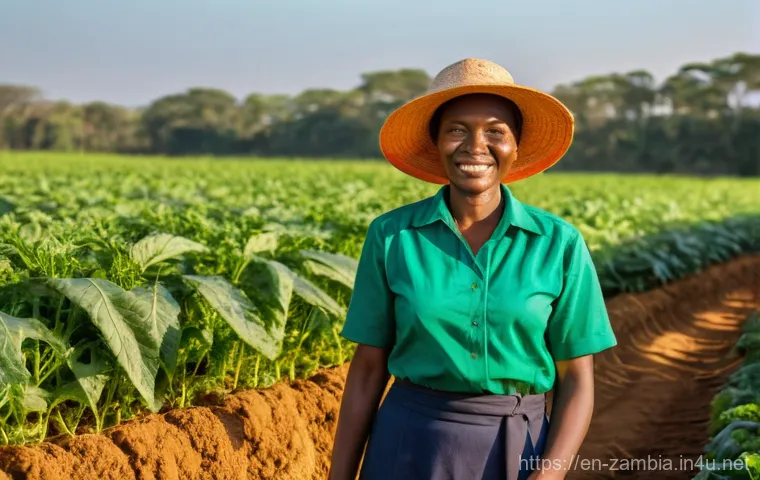
It’s truly incredible to see the dedication that goes into growing crops and raising livestock, but I’ve always believed that the real magic, and certainly a huge part of the economic uplift, happens *after* the harvest.
Moving beyond simply selling raw produce to actively processing, packaging, and transforming agricultural goods is where Zambia can truly shine on a global stage.
This isn’t just about selling more; it’s about selling smarter, creating higher-value products that command better prices and open up entirely new markets.
I’ve noticed a growing understanding among entrepreneurs and policymakers that value addition is not just a buzzword; it’s a critical pathway to sustainable economic growth, job creation, and increased foreign exchange earnings.
When I visited some of the nascent agro-processing facilities, whether it was a small-scale mill transforming maize into fortified mealie meal or a cooperative producing groundnut butter, the sense of innovation and ambition was truly palpable.
It’s about capturing more of the value chain within Zambia, rather than just exporting raw materials and letting other countries reap the benefits of processing.
This shift requires investment, skill development, and robust market linkages, but the potential rewards are immense, promising a more diversified and resilient economy for the nation.
It truly feels like Zambia is on the cusp of a significant transformation, moving from a primary producer to a sophisticated exporter of processed goods.
Developing Agro-Processing Industries
The push for agro-processing is gaining significant momentum. Instead of exporting raw soybeans, for instance, there’s a growing interest in processing them into cooking oil or animal feed locally.
This not only creates jobs but also adds substantial value to the product. I’ve seen small businesses emerge that are turning local fruits into juices, jams, and dried snacks, or even packaging indigenous vegetables for urban markets.
These small-scale enterprises are crucial for stimulating rural economies and providing entrepreneurs with avenues to grow their businesses. It’s about leveraging local resources to create high-demand products.
Tapping into Regional and International Markets
With enhanced processing capabilities, Zambia’s agricultural products become more competitive in regional and international markets. The quality and safety standards are paramount here, and I’ve observed efforts to help local producers meet these rigorous requirements.
Imagine Zambian-made groundnut butter on supermarket shelves across Africa, or specialized horticultural products reaching European markets! This expansion into diverse markets reduces reliance on a single buyer and provides greater stability for producers.
It’s an exciting prospect that promises to elevate Zambia’s profile as a key agricultural player in the region and beyond.
Investing in the Earth: Sustainable Practices for Future Generations
You know, it’s a powerful thought: we don’t inherit the Earth from our ancestors; we borrow it from our children. And nowhere is that sentiment more keenly felt than in agriculture.
For me, the idea of sustainability isn’t just a trendy concept; it’s absolutely fundamental to ensuring that Zambia’s fertile lands continue to provide for generations to come.
It’s about more than just getting a good harvest this year; it’s about nurturing the soil, conserving water, and protecting the biodiversity that makes all life possible.
What I’ve seen on the ground is a growing awareness among farmers, from smallholders to larger commercial operations, that sustainable practices are not just good for the environment, but also smart business.
They’re realizing that healthy soil leads to healthier crops, and efficient water use saves precious resources and money. It’s inspiring to witness the commitment to practices that ensure the long-term viability of farming, often passed down through generations but now being enhanced with modern, scientific approaches.
The stories of farmers who have seen their land rejuvenate after adopting conservation farming or agroforestry techniques are incredibly motivating, showing that a harmonious relationship with nature is not only possible but also deeply rewarding.
It’s a proactive approach to farming that recognizes our profound responsibility to the planet.
Nurturing Soil Health and Biodiversity
The foundation of all agriculture is healthy soil, and I’ve seen incredible efforts to restore and maintain its vitality. Practices like crop rotation, intercropping (planting different crops together), and using organic fertilizers are becoming more common.
These methods not only reduce the need for chemical inputs but also enhance soil structure and fertility naturally. Furthermore, protecting biodiversity, from beneficial insects to indigenous plant varieties, is crucial.
Farmers are realizing the importance of maintaining natural ecosystems within and around their fields to support pollination and pest control, creating a more balanced and resilient farming environment.
It’s a holistic approach that truly respects the intricate web of life.
Efficient Water Management and Agroforestry
Water is life, especially in agriculture, and efficient water management is paramount. I’ve observed farmers implementing simple but effective techniques like rainwater harvesting, drip irrigation for high-value crops, and proper mulching to reduce evaporation.
These methods ensure that every drop counts, especially during dry spells. Additionally, agroforestry – integrating trees into farming systems – is gaining traction.
Trees provide shade, improve soil fertility through nitrogen fixation, and can even offer additional income streams through fruits or timber. It’s a beautiful synergy between agriculture and forestry that enhances the overall resilience and sustainability of the farm, providing long-term benefits for the environment and the farming community.
Policy Power-Ups: Government’s Role in Agricultural Growth
You know, while the hard work of farmers and the innovation of entrepreneurs are absolutely vital, it’s impossible to ignore the critical role that government plays in shaping the agricultural landscape.
From my perspective, sound policies and strategic investments can truly be the wind beneath the wings of the entire sector, providing the framework and support necessary for growth.
I’ve learned that it’s not just about what individual farmers do, but how an overarching vision and targeted programs can elevate an entire industry. It feels like the government is increasingly recognizing agriculture not just as a means of food production, but as a powerful engine for national economic development and poverty reduction.
The discussions I’ve had and the initiatives I’ve observed point towards a more proactive and supportive stance, aiming to create an enabling environment where farmers can thrive, businesses can flourish, and the nation’s food security is strengthened.
It’s a complex dance between policy, funding, and on-the-ground implementation, but when it works well, the results are transformative, bringing about positive changes that resonate from the smallest village to the largest city.
It’s truly inspiring to see how dedicated leadership can foster an environment of growth and opportunity for so many.
Strategic Subsidies and Input Support Programs
One of the most direct ways the government supports farmers is through strategic subsidies, such as the Farmer Input Support Programme (FISP). While debates around its structure continue, the intention is clear: to ensure smallholder farmers have access to essential inputs like improved seeds and fertilizers.
I’ve seen how these programs, when well-implemented, can significantly boost yields and improve household food security. Beyond subsidies, there’s also an emphasis on providing extension services – agricultural experts who visit farms, offer advice, and help farmers adopt new techniques.
It’s a hands-on approach that directly empowers farmers with the resources and knowledge they need to succeed.
Investing in Infrastructure and Research
Beyond direct farmer support, the government’s investment in infrastructure is paramount. Improved rural roads mean farmers can transport their produce to markets more efficiently, reducing post-harvest losses and fetching better prices.
Reliable storage facilities and processing hubs are also critical. Furthermore, agricultural research institutions, often government-funded, play a vital role in developing new, disease-resistant crop varieties and more effective farming methods tailored to Zambia’s specific conditions.
This long-term investment in research and development is foundational for ensuring continuous innovation and resilience in the face of future challenges, securing the nation’s food future for years to come.
Wrapping Things Up
Wow, what an incredible journey we’ve had exploring the vibrant heart of Zambia’s agricultural sector! It’s genuinely inspiring to see how much innovation and sheer determination is pouring into the fields, transforming not just crops, but entire communities. From the humble maize field now blossoming into a diverse agricultural landscape, to the unwavering spirit of smallholder farmers embracing new tech and sustainable practices, it’s clear that Zambia is cultivating a future as rich and fertile as its soil. This isn’t just about food; it’s about empowerment, economic growth, and building a resilient nation from the ground up. I truly feel optimistic about the path Zambia is on, and I hope you do too!
Good to Know: Useful Bits of Information
1. If you’re ever considering agricultural investment or partnerships in Southern Africa, Zambia presents a particularly promising landscape due to its vast arable land and supportive government initiatives. It’s a land of opportunity for those looking to make an impact in food production and processing.
2. For travelers interested in experiencing Zambian agriculture firsthand, visiting during the main harvest season (typically May to July) offers a fantastic insight into the country’s farming life, with vibrant markets and bustling activity.
3. While maize remains the primary staple, keep an eye out for the growing production of soybeans, groundnuts, and various horticultural products like fresh vegetables and fruits. These are becoming increasingly important for both local consumption and export markets.
4. Smallholder farmers are the absolute backbone of Zambia’s food security and rural economy. Supporting initiatives that provide them with access to inputs, training, and markets has a profound and far-reaching positive impact on the entire nation.
5. Climate-smart agriculture isn’t just a buzzword here; it’s a necessity. Look for innovative techniques like conservation farming and drought-resistant crops being implemented across the country, showcasing Zambia’s commitment to sustainable practices.
Key Takeaways
What we’ve truly uncovered today is a dynamic and evolving agricultural story. Zambia is making significant strides in diversifying its crop base, moving beyond heavy reliance on a single staple to embrace a wider array of cash crops and horticulture. The empowerment of smallholder farmers through better access to inputs, modern techniques, and lucrative markets is central to this growth. Furthermore, the nation is actively building resilience against climate change through climate-smart practices and early warning systems. Technology, from basic mechanization to digital tools, is proving to be a game-changer, while strategic value addition and export initiatives are unlocking new economic potential. Finally, a strong commitment to sustainable practices and supportive government policies are laying a robust foundation for a thriving and food-secure future. It’s an exciting time for Zambian agriculture, full of promise and unwavering spirit!
Frequently Asked Questions (FAQ) 📖
Q: What are the primary crops that define Zambia’s agricultural landscape, and how is the country diversifying beyond its traditional staples?
A: Oh, this is such a fantastic question, and one I get a lot when I talk about Zambia! You know, for ages, maize has been the absolute king here. It’s not just a crop; it’s deeply woven into the fabric of Zambian life, a staple food that feeds millions.
From what I’ve observed and from chatting with folks on the ground, almost every farmer, big or small, dedicates a significant portion of their land to maize.
But here’s the really interesting part, and what truly excites me: there’s a serious, concerted push towards diversification, and it’s something I’ve seen growing stronger with each passing year.
Farmers are increasingly turning to other crops like soybeans, which are fantastic for both local consumption and export, especially for animal feed. Groundnuts are also huge – think delicious snacks and valuable oil.
I’ve also been incredibly impressed by the rise of horticulture; things like fresh vegetables and fruits are popping up in markets, not just in Lusaka but even in smaller towns.
It’s a smart move because it helps farmers avoid putting all their eggs in one basket, reduces reliance on a single crop’s market fluctuations, and significantly boosts their income.
It’s truly inspiring to see how farmers are embracing these changes and exploring new opportunities beyond the familiar.
Q: What are some of the biggest challenges Zambian farmers are currently grappling with, and what innovative solutions are emerging to tackle them?
A: You know, farming anywhere has its hurdles, but in Zambia, some of these challenges can feel pretty monumental. From my own experiences visiting farms and talking to the incredible men and women who work the land, climate change is probably the most pressing issue.
We’re talking unpredictable weather patterns – sometimes crippling droughts, other times devastating floods, both of which can wipe out a season’s hard work in an instant.
Then there’s the challenge of market access and infrastructure. Getting produce from a remote farm to a bustling city market can be a logistical nightmare, with poor roads and limited storage facilities.
And let’s not forget access to finance; many small-scale farmers struggle to get the loans they need for better seeds, fertilizers, or equipment. But here’s where the true Zambian spirit shines through, and it’s something I genuinely admire.
I’ve seen incredible innovation happening! Farmers are adopting drought-resistant crop varieties, embracing conservation farming techniques that protect soil health, and even using mobile banking solutions to access financial services.
There are also emerging initiatives focused on building better farmer cooperatives, helping them pool resources, and negotiate better prices. It’s a tough road, but the resilience and ingenuity I’ve witnessed are absolutely phenomenal.
Q: Beyond food production, how is Zambia’s agricultural sector contributing to the broader economy and what’s its future potential looking like?
A: This is where we really get to the heart of why agriculture is so critical for Zambia, and it’s a topic that genuinely fascinates me. You know, it’s easy to just think about food when we talk about farming, but the impact of agriculture here stretches so much further.
From my vantage point, it’s not just about what’s on the plate; it’s a massive engine for employment, providing livelihoods for over half of the country’s population.
Think about it: every crop grown means jobs in planting, harvesting, transportation, processing, and selling. It significantly contributes to the nation’s Gross Domestic Product (GDP), making it a cornerstone of economic stability.
What’s truly exciting to me about the future potential is its role in export. Imagine Zambian produce, from fresh vegetables to processed foods, making its way to regional and international markets!
This not only brings in foreign exchange but also strengthens the country’s trade balance. With continued investment in sustainable practices, agricultural research, and value addition (turning raw crops into finished products), I truly believe Zambia’s agricultural sector is poised for exponential growth.
It’s more than just farming; it’s about empowering communities, driving innovation, and shaping a vibrant, prosperous future for the entire nation. And honestly, seeing that evolution unfold is truly something special.