As global travelers seek more meaningful and eco-conscious adventures, Zambia’s lesser-known wildlife sanctuaries are emerging as must-visit destinations where conservation efforts beautifully blend with thrilling exploration.
With recent initiatives boosting community involvement and habitat restoration, these hidden gems offer a unique chance to witness Africa’s rich biodiversity away from the usual crowds.
Whether you’re a seasoned safari enthusiast or a curious nature lover, discovering these sanctuaries promises unforgettable encounters and a deeper connection to wildlife preservation.
Join me as we dive into the heart of Zambia’s wild treasures, where every visit supports sustainable tourism and genuine conservation impact. This journey isn’t just about sightseeing—it’s about making a difference while experiencing raw, untouched beauty.
Embracing Community-Driven Conservation Efforts
Local Involvement as a Pillar of Success
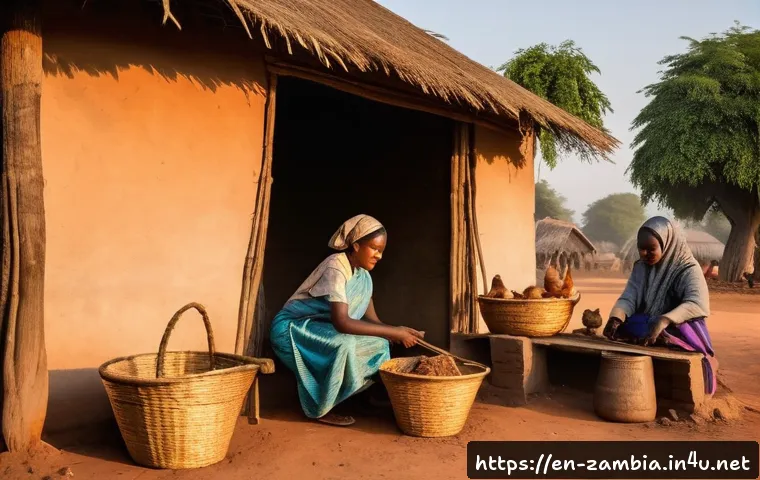
Many of Zambia’s emerging wildlife sanctuaries thrive because local communities are no longer just bystanders but active participants in conservation.
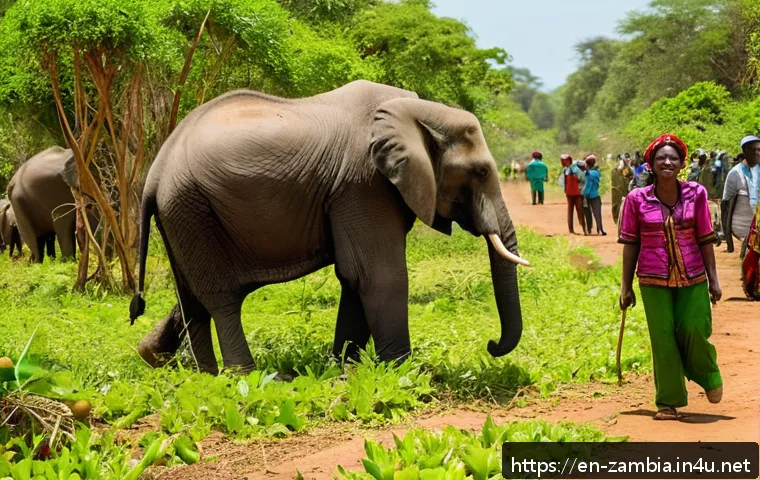
From village-led patrols to eco-tourism initiatives, the involvement of nearby residents has transformed these areas into vibrant, protected spaces. I’ve seen firsthand how empowering locals not only strengthens habitat protection but also fosters a deeper sense of pride and ownership.
This grassroots approach ensures that conservation is sustainable and benefits everyone involved, making each visit more meaningful.
Collaborative Projects Between NGOs and Villages
Partnerships between non-governmental organizations and local villages have been instrumental in restoring degraded habitats and curbing poaching. These collaborations often include training in wildlife monitoring, sustainable agriculture, and small-scale tourism management.
What’s remarkable is how these projects respect traditional knowledge while introducing modern conservation techniques. When I visited one sanctuary recently, I was impressed by the seamless cooperation and the genuine enthusiasm of the locals who now act as guardians of their environment.
Economic Benefits Driving Conservation
Sustainable tourism has become a vital source of income for communities surrounding Zambia’s lesser-known sanctuaries. Eco-lodges, guided tours, and handicraft sales create jobs and diversify local economies.
During my stay at a remote sanctuary, I noticed how tourism revenue directly improved schools, healthcare, and infrastructure. This economic upliftment reduces reliance on harmful activities like poaching or deforestation, proving that conservation and community prosperity can go hand in hand.
Exploring Untouched Wilderness: Unique Wildlife Encounters
Rare Species Away from Crowds
Unlike the popular national parks bustling with tourists, Zambia’s hidden sanctuaries offer the chance to see elusive species in their natural habitats without the distraction of crowds.
From shy pangolins to vibrant birdlife and endangered wild dogs, these spots are a haven for wildlife enthusiasts craving authentic encounters. On one trek, I spotted a family of painted wolves resting under a tree—a sight so rare and intimate that it felt like a private moment with nature.
Night Safaris and Nocturnal Wonders
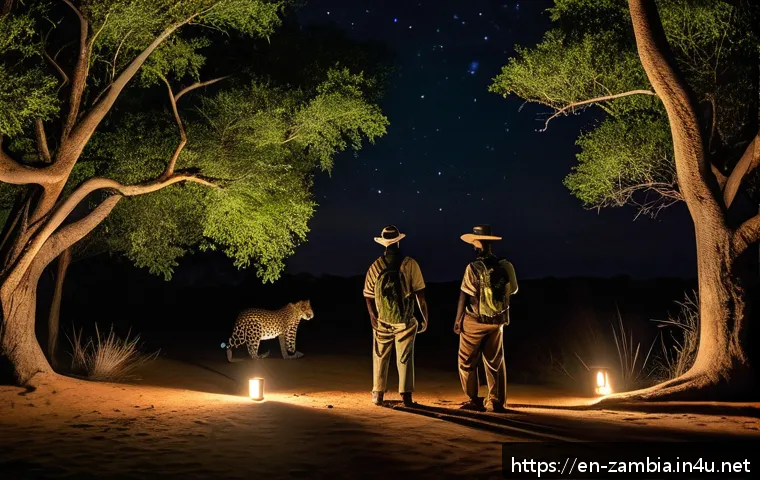
Many sanctuaries provide guided night safaris, an exhilarating way to witness the nocturnal habits of Zambia’s wildlife. Equipped with spotlights and expert guides, visitors can observe creatures like bush babies, genets, and owls in action.
During a recent night drive, the thrill of spotting a leopard’s reflective eyes in the dark was unforgettable—these experiences deepen your appreciation for the complexity of these ecosystems.
Birdwatcher’s Paradise
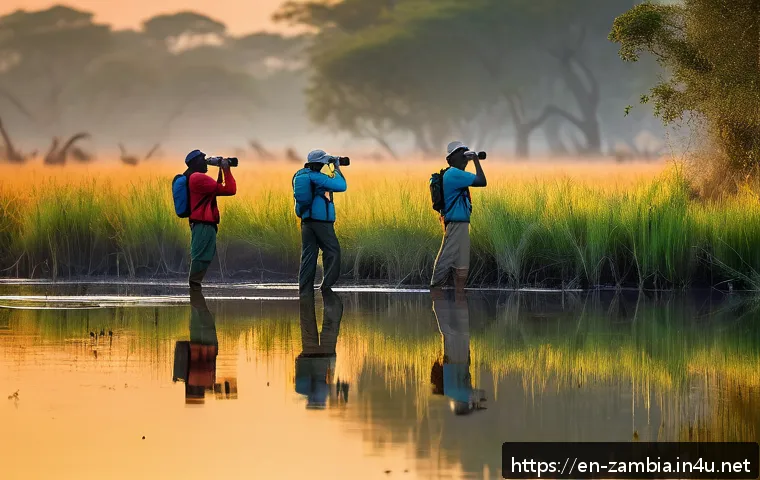
The rich biodiversity of Zambia’s lesser-known sanctuaries makes them prime destinations for birdwatchers. With over 400 recorded species in some areas, including rare and migratory birds, these sanctuaries are a playground for anyone interested in avian life.
I personally found the early morning chorus and the vibrant plumage of kingfishers and hornbills to be highlights that added a magical soundtrack to my explorations.
Innovations in Habitat Restoration
Reforestation and Wetland Rehabilitation
Many sanctuaries are actively engaged in restoring native vegetation and wetlands that have suffered from past human activity. These efforts are crucial for maintaining biodiversity and stabilizing ecosystems.
I was part of a tree-planting day organized by one sanctuary where local youth and visitors collaborated, which not only helped the environment but also created a strong community bond around conservation goals.
Combating Invasive Species
Invasive plants and animals pose a significant threat to Zambia’s natural habitats, but sanctuary managers have implemented effective strategies to control and eradicate these species.
Techniques such as controlled burns, manual removal, and biological controls have been successfully used. Witnessing these targeted efforts during a sanctuary visit gave me hope that balance can be restored even in heavily impacted areas.
Water Source Management
Protecting and managing water resources within sanctuaries is critical, especially during dry seasons. Innovative water harvesting and conservation techniques have been introduced, improving the survival rates of both plants and animals.
During my stay, I observed how a newly constructed water catchment system transformed a previously parched area into a thriving watering hole, attracting diverse wildlife.
Immersive Eco-Tourism Experiences
Authentic Cultural Exchanges
Beyond wildlife, many sanctuaries offer visitors the chance to engage with local cultures through storytelling, traditional crafts, and community visits.
These interactions enrich the travel experience by providing context to conservation efforts and fostering mutual respect. I recall a memorable evening sharing stories with village elders around a fire, learning about their connection to the land and wildlife.
Guided Walking Safaris
Walking safaris offer an up-close experience with nature, allowing guests to track animals, identify plants, and understand ecosystem dynamics on foot.
This slower pace promotes mindfulness and deeper appreciation. On one guided walk, my guide’s knowledge about animal tracks and bird calls turned the experience into a living classroom, making every step a discovery.
Volunteering Opportunities
For travelers seeking to contribute actively, several sanctuaries provide volunteer programs focused on habitat restoration, wildlife monitoring, and community education.
My time volunteering at one sanctuary was eye-opening—participating in data collection and outreach programs gave me a tangible sense of making a difference while connecting with passionate conservationists.
Practical Information for Visitors
Best Times to Visit
Timing your visit can greatly enhance wildlife sightings and overall experience. The dry season, typically from May to October, is ideal as animals gather around waterholes, making them easier to spot.
However, the green season offers lush landscapes and abundant birdlife, along with fewer tourists. Personally, I enjoyed the quieter months in early June when the weather was pleasant and the animal activity high.
How to Access Remote Sanctuaries
While some sanctuaries are accessible via well-maintained roads, others require adventurous travel by 4×4 vehicles or small charter flights. Planning ahead and consulting with local guides or tour operators is essential.
On my trip, coordinating a charter flight saved hours of bumpy road travel and allowed more time to immerse in the sanctuary’s offerings.
Accommodation and Amenities
Accommodations range from rustic eco-camps to luxury lodges that blend comfort with sustainability. Many places emphasize minimal environmental impact through solar power, rainwater harvesting, and waste reduction.
I stayed in a solar-powered tented camp that surprisingly offered cozy beds and delicious meals, proving eco-friendly doesn’t mean compromising on comfort.
| Sanctuary Name | Key Wildlife Species | Unique Features | Community Involvement | Visitor Facilities |
|---|---|---|---|---|
| Chikuni Wildlife Sanctuary | Wild dogs, elephants, pangolins | Night safaris, reforestation projects | Village patrols, craft markets | Eco-lodges, guided walks |
| Liuwa Plains Community Reserve | Wildebeest migration, lions, hippos | Seasonal migrations, birdwatching | Community-run camps, anti-poaching teams | Camping sites, cultural tours |
| Lower Zambezi Wetland Sanctuary | Crocodiles, hippos, diverse birds | Wetland restoration, water management | Local fishing cooperatives, education programs | Boat safaris, solar-powered lodges |
Challenges and Future Prospects in Conservation
Balancing Tourism and Ecosystem Health
While tourism brings crucial funding and awareness, managing its footprint remains a challenge. Sanctuaries must carefully regulate visitor numbers and activities to avoid disturbing wildlife or degrading habitats.
During my visits, I noticed some places enforcing strict group sizes and designated trails, which helped maintain a delicate balance between access and preservation.
Adapting to Climate Change Impacts
Changing climate patterns are affecting rainfall, vegetation, and animal behavior across Zambia. Sanctuaries are adopting adaptive management strategies, such as water conservation and habitat diversification, to build resilience.
Speaking with conservationists, I learned that these efforts are ongoing but vital to ensure wildlife can thrive despite environmental shifts.
Expanding Education and Awareness
Increasing public understanding of conservation’s importance is key to long-term success. Many sanctuaries run outreach programs targeting schools and visitors to foster environmental stewardship.
I participated in a children’s workshop where local kids learned about biodiversity through hands-on activities—moments like these spark hope for future generations to protect Zambia’s wild heritage.
Conclusion
Community-driven conservation in Zambia’s wildlife sanctuaries showcases how local involvement can transform both the environment and livelihoods. Through collaborative efforts and sustainable tourism, these protected areas offer unique wildlife encounters while supporting economic growth. As challenges like climate change arise, ongoing education and adaptive strategies remain essential to preserving these natural treasures for future generations.
Useful Information
1. The dry season from May to October provides the best wildlife viewing opportunities as animals gather around water sources.
2. Access to remote sanctuaries often requires 4×4 vehicles or charter flights; advance planning with local operators is recommended.
3. Accommodation options range from eco-friendly camps to luxury lodges, many emphasizing sustainability without sacrificing comfort.
4. Guided walking safaris and night drives offer immersive ways to experience wildlife and learn about local ecosystems.
5. Volunteering programs are available for those who want to actively contribute to conservation and community education.
Key Takeaways
Successful conservation hinges on strong community participation that blends traditional knowledge with modern methods. Sustainable tourism acts as a catalyst for both environmental protection and local economic development. Challenges like managing visitor impact and adapting to climate change require continuous attention. Education and outreach play a vital role in fostering long-term stewardship of Zambia’s unique wilderness areas.
Frequently Asked Questions (FAQ) 📖
Q: uestionsQ1: What makes Zambia’s lesser-known wildlife sanctuaries different from the popular safari destinations?
A: Unlike the well-trodden safari spots, Zambia’s hidden sanctuaries offer a more intimate and authentic experience. These areas are less crowded, allowing you to connect deeply with the wildlife and environment without the hustle of large tourist groups.
Plus, many of these sanctuaries emphasize community involvement and habitat restoration, so your visit directly supports conservation efforts and local livelihoods.
It feels like you’re part of a meaningful journey rather than just ticking off a checklist.
Q: How can visiting these sanctuaries contribute to conservation and local communities?
A: When you choose to explore these lesser-known sanctuaries, your tourism dollars often go straight into funding habitat restoration projects and community development programs.
Many sanctuaries work hand-in-hand with local people to create sustainable income sources, such as eco-tourism jobs and wildlife protection initiatives.
By visiting, you’re helping preserve biodiversity and empowering communities to protect their natural heritage. It’s a win-win that turns your trip into a positive force for change.
Q: What should I expect in terms of wildlife and activities in these hidden gems?
A: Expect a thrilling blend of adventure and tranquility. You’ll have the chance to see a diverse array of animals—from elusive predators to rare bird species—often in more natural and undisturbed settings.
Activities can range from guided walking safaris, canoe trips along pristine rivers, to night game drives that reveal the secrets of nocturnal wildlife.
Because these sanctuaries are less commercialized, the experiences feel personalized and immersive, often led by passionate local guides who share fascinating stories and knowledge you won’t find elsewhere.