Zambia is rapidly emerging as one of Africa’s most promising investment destinations, attracting attention from global investors eager to explore new opportunities.
With recent policy reforms and infrastructure developments, the country is unlocking potential across sectors like mining, agriculture, and renewable energy.
If you’re considering expanding your portfolio into Africa, understanding Zambia’s unique economic landscape and investment climate is essential. In this post, I’ll share key insights and practical tips that every foreign investor should know to navigate this dynamic market successfully.
Whether you’re a seasoned investor or just starting out, these updates could shape your next big move. Let’s dive into what makes Zambia a hotspot for growth today.
Understanding Zambia’s Economic Landscape and Growth Drivers
The Role of Natural Resources in Economic Expansion
Zambia’s wealth in natural resources, especially copper, has been a cornerstone of its economic growth for decades. Copper mining not only drives export revenues but also attracts foreign direct investment, providing a stable income stream for the government.
Beyond copper, there’s growing interest in other minerals such as cobalt and gemstones, which are beginning to shape a more diversified mining sector.
From my experience tracking Zambia’s markets, the government’s push to modernize mining operations and improve regulatory clarity has made the sector more appealing to investors who are cautious about risk and transparency.
This natural resource base forms a solid foundation, yet it’s the diversification into new sectors that’s truly exciting for long-term growth.
Agriculture as an Emerging Opportunity
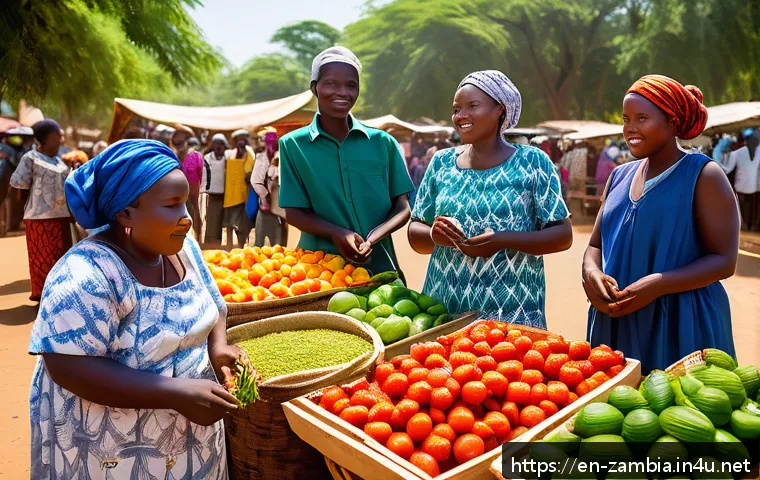
While mining dominates headlines, agriculture represents a vast underexplored opportunity in Zambia. The country has fertile land and favorable climate conditions for crops like maize, tobacco, and various fruits.
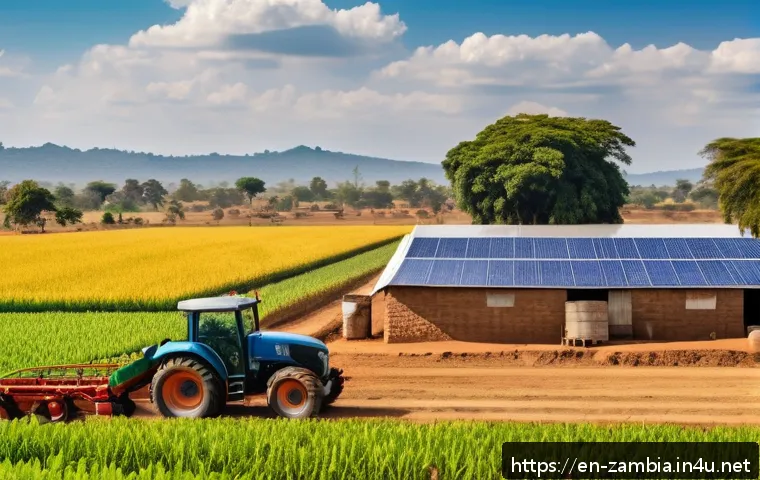
Recent government initiatives aim to boost agribusiness by improving access to finance, modern farming techniques, and export channels. From conversations with local entrepreneurs, I’ve learned that there’s a vibrant ecosystem developing, especially for value-added processing, which increases profitability and employment.
For foreign investors, tapping into agriculture means not just raw production but also the entire supply chain—from seeds and machinery to storage and distribution infrastructure.
Infrastructure Developments Fueling Market Access
Zambia’s recent infrastructure projects, including road upgrades, new power plants, and digital connectivity improvements, are critical enablers for investment.
I’ve noticed that these developments reduce operational costs and improve supply chain efficiency, which is often a major hurdle in African markets. For instance, better roads link mining hubs to ports in neighboring countries, enhancing export capabilities.
Additionally, investments in renewable energy projects are helping to stabilize electricity supply, which has historically been a challenge. The improved infrastructure is not just a convenience; it fundamentally transforms how businesses can scale and compete regionally.
Legal Framework and Regulatory Environment Insights
Key Policy Reforms Shaping the Investment Climate
Zambia has introduced significant policy reforms aimed at creating a more investor-friendly environment. Measures such as streamlined business registration processes, tax incentives for priority sectors, and clearer dispute resolution mechanisms have improved the overall ease of doing business.
Based on firsthand discussions with legal experts in Lusaka, these reforms have reduced bureaucratic delays and enhanced transparency, which is crucial for foreign companies wary of hidden risks.
Investors should keep an eye on ongoing legislative updates, especially those related to mining and agriculture, to remain compliant and maximize benefits.
Understanding Taxation and Incentives
The tax regime in Zambia is structured to attract foreign capital while balancing fiscal needs. Corporate tax rates are competitive compared to regional peers, and there are specific incentives such as duty exemptions on imported capital goods and reduced taxes in special economic zones.
However, there are nuances—such as variable withholding taxes on dividends and royalties—that require careful planning. When I worked with clients entering Zambia, thorough tax due diligence helped avoid surprises and optimize cash flow.
Partnering with local tax consultants is advisable to navigate these complexities efficiently.
Addressing Risks and Compliance Challenges
Despite improvements, investors must remain vigilant about certain risks such as currency fluctuations, political changes, and occasional regulatory ambiguity.
Zambia’s currency, the Zambian kwacha, can be volatile, impacting repatriation of profits. Political stability has been relatively strong, but upcoming elections and policy shifts could influence market dynamics.
Compliance with environmental and labor regulations also demands attention, especially in mining and agriculture sectors. From what I’ve seen, proactive engagement with local authorities and communities helps mitigate potential conflicts and builds goodwill, which is invaluable for sustainable operations.
Sector Spotlight: Mining, Agriculture, and Renewable Energy
Mining: Modernization and Expansion Opportunities
Mining remains Zambia’s economic backbone, but the sector is evolving rapidly. New technologies and sustainability practices are being integrated to meet global standards.
Investors with expertise in mining equipment, environmental management, or exploration services can find niche opportunities. I’ve noticed that joint ventures between foreign companies and local firms are becoming more common, providing a way to share risks and leverage local knowledge.
Moreover, Zambia’s government is encouraging exploration beyond copper, which could unlock new mineral wealth.
Agriculture Value Chains and Export Potential
Agriculture is transitioning from subsistence to commercial scale, with growing emphasis on export crops like soybeans, cotton, and horticultural products.
This shift opens doors for investors in agro-processing, cold storage, and logistics. When I visited some agribusinesses, the enthusiasm for innovation was palpable, driven by access to better financing and training programs.
Export infrastructure improvements, such as enhanced customs procedures and regional trade agreements, further support this trend. The sector’s potential to create jobs and contribute to food security makes it attractive for impact-focused investors as well.
Renewable Energy: Powering Zambia’s Future
Renewable energy is gaining traction as Zambia seeks to diversify its power mix and reduce reliance on hydropower, which is vulnerable to climate variability.
Solar, wind, and biomass projects are receiving increased attention, supported by government policies and international funding. I’ve seen firsthand how decentralized solar installations are transforming rural communities, offering both social benefits and new business models.
For investors, the sector offers a blend of stable returns and positive environmental impact, especially as Zambia integrates more clean energy into its national grid.
Strategic Considerations for Market Entry
Choosing the Right Entry Mode
Entering Zambia’s market requires careful consideration of entry strategies, whether through joint ventures, wholly owned subsidiaries, or partnerships with local firms.
Each approach has pros and cons related to control, risk, and compliance. From my consultancy experience, joint ventures often provide valuable local insights and smoother navigation of regulatory landscapes, but they demand strong relationship management.
On the other hand, establishing a wholly owned presence can offer autonomy but requires more upfront investment and knowledge of local business practices.
Building Local Relationships and Networks

Successful investment in Zambia hinges on cultivating strong local networks. This includes government officials, business associations, community leaders, and service providers.
I’ve found that attending industry events and engaging with chambers of commerce can accelerate trust-building and provide critical market intelligence.
Additionally, corporate social responsibility initiatives tailored to local needs help establish credibility and foster goodwill. These relationships often make the difference between a smooth operation and unforeseen obstacles.
Understanding Cultural Nuances and Business Etiquette
Business culture in Zambia combines formal protocols with a warm, relationship-driven approach. Patience and respect for hierarchy are important, especially in negotiations and government interactions.
I recall several instances where taking time to build rapport before discussing contracts led to more favorable outcomes. Communication tends to be polite and indirect, so reading between the lines is a useful skill.
Familiarity with local customs and holidays also signals respect and aids in long-term partnership success.
Financial Landscape and Currency Management
Access to Banking and Financing Options
Zambia’s financial sector has expanded with several commercial banks offering services tailored to foreign investors, including trade finance and foreign currency accounts.
Despite this, accessing affordable long-term financing can be challenging, especially for sectors perceived as high-risk. When I advised clients, leveraging local banking relationships alongside international financing sources often created a balanced funding mix.
Additionally, microfinance institutions and development banks provide targeted support for SMEs and agribusinesses, which can complement larger investments.
Managing Currency Risk and Repatriation
The Zambian kwacha’s volatility means investors must actively manage currency risk to protect returns. Hedging instruments are available but may be limited or costly.
I’ve seen companies negotiate repatriation terms carefully, ensuring they align with regulatory requirements while maintaining flexibility. Staying updated on central bank policies and maintaining open communication with financial advisors helps mitigate surprises.
Structuring contracts in stable currencies like the US dollar is another common strategy to reduce exposure.
Tax Planning and Profit Optimization
Effective tax planning is essential to maximize profitability in Zambia. Beyond understanding statutory tax rates, investors benefit from exploring incentives and exemptions available in sectors like mining, agriculture, and renewable energy.
From practical experience, aligning investment plans with government priorities can unlock additional support or reduce tax burdens. Engaging specialized tax consultants early in the process ensures compliance and uncovers opportunities that might otherwise be missed.
Key Industry Players and Competitive Landscape
Major Corporations Driving Zambia’s Economy
Zambia hosts a mix of multinational corporations and influential local enterprises, especially in mining and agriculture. Companies such as Glencore and First Quantum Minerals dominate the mining sector, setting benchmarks for operational standards and investment scale.
Observing their strategies offers insights into market trends and competitive dynamics. Additionally, large agribusinesses are increasingly adopting technology and export-driven models, signaling a maturing sector.
Understanding these players’ roles helps new investors position themselves effectively.
Emerging SMEs and Innovation Hubs
Beyond the giants, Zambia’s SME landscape is vibrant and growing, with many startups focusing on technology, agritech, and renewable solutions. Innovation hubs in Lusaka and other cities provide incubation and networking opportunities.
I’ve personally met entrepreneurs developing apps for supply chain management and solar-powered irrigation systems, which are gaining traction with local farmers.
These SMEs not only drive job creation but also offer partnership opportunities for foreign investors seeking to tap into localized innovation.
Collaborative Ecosystems and Industry Associations
Industry associations and collaborative platforms play a pivotal role in Zambia’s investment climate. Groups like the Zambia Chamber of Commerce and Industry facilitate dialogue between investors, government, and civil society.
Participation in these networks provides access to policy updates, training, and advocacy channels. In my experience, active involvement in such associations enhances credibility and offers early warnings about regulatory changes or market shifts, which can be crucial for strategic planning.
| Sector | Investment Opportunities | Key Challenges | Government Incentives |
|---|---|---|---|
| Mining | Exploration, equipment supply, sustainability tech | Regulatory compliance, commodity price volatility | Tax holidays, export duty exemptions |
| Agriculture | Agro-processing, logistics, value chain financing | Infrastructure gaps, climate risks | Subsidized inputs, grants for modernization |
| Renewable Energy | Solar, wind, biomass projects, off-grid solutions | High upfront costs, grid integration | Feed-in tariffs, tax rebates |
In Conclusion
Zambia’s economic landscape offers a promising mix of traditional strengths and emerging opportunities. Natural resources remain a vital pillar, while sectors like agriculture and renewable energy are gaining momentum. Strategic investments supported by ongoing reforms and infrastructure improvements create a favorable environment for growth. For those willing to navigate its unique challenges, Zambia holds significant potential for sustainable success.
Helpful Information to Keep in Mind
1. Zambia’s mining sector continues to evolve with modernization and diversification beyond copper, opening new investment avenues.
2. Agriculture is transforming into a commercial and export-oriented sector, driven by government support and innovation.
3. Infrastructure upgrades, especially in transport and energy, are key to improving market access and reducing costs.
4. Understanding local regulations, taxation nuances, and cultural business practices is essential for smooth market entry.
5. Building strong local relationships and leveraging industry networks greatly enhances operational success and risk management.
Key Takeaways
Investors looking at Zambia should focus on sectors aligned with government priorities while being mindful of currency volatility and regulatory shifts. Partnering with local experts and engaging proactively with communities can mitigate risks and foster sustainable growth. A well-planned entry strategy combined with thorough due diligence and cultural awareness is critical to unlocking Zambia’s full market potential.
Frequently Asked Questions (FAQ) 📖
Q: What are the key sectors driving investment opportunities in Zambia?
A: Zambia’s most attractive sectors right now include mining, agriculture, and renewable energy. Mining remains the backbone of the economy, especially copper production, which continues to draw significant foreign investment.
Agriculture is gaining momentum due to government incentives aimed at boosting food security and exports, with opportunities in commercial farming and agro-processing.
Renewable energy is emerging rapidly as Zambia seeks to diversify its energy sources, with solar and hydro projects offering promising returns. From my experience, tapping into these sectors requires understanding local regulations and building strong partnerships on the ground.
Q: How have recent policy reforms improved Zambia’s investment climate?
A: Zambia has introduced several reforms that have made the investment environment more investor-friendly. These include streamlined business registration processes, tax incentives for priority sectors, and efforts to enhance transparency and reduce bureaucratic red tape.
For example, the government’s focus on improving infrastructure—such as roads and power supply—has significantly lowered operational costs for businesses.
I’ve noticed that these changes make it much easier to start and scale ventures, but it’s still wise to stay updated on any regulatory shifts as the landscape evolves.
Q: What practical tips should foreign investors consider before entering the Zambian market?
A: First, conduct thorough due diligence and engage local experts who understand Zambia’s legal and cultural environment. Networking is crucial—building relationships with government officials and local partners can smooth many hurdles.
Also, be prepared for some logistical challenges, especially outside urban centers, so factor in time and resources accordingly. From my personal experience, patience and flexibility go a long way in navigating the market.
Lastly, keep an eye on currency fluctuations and political developments, as these can impact investment returns.