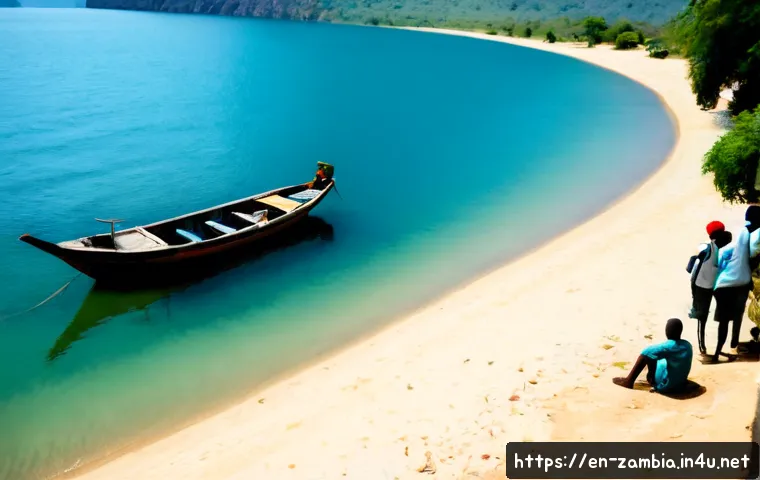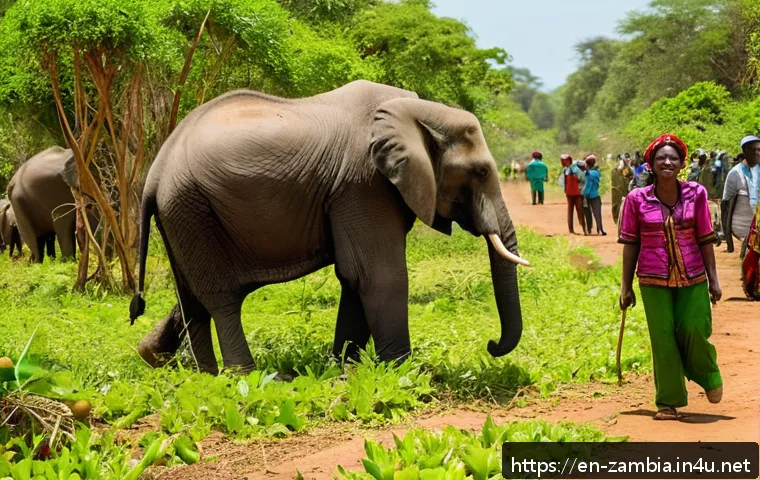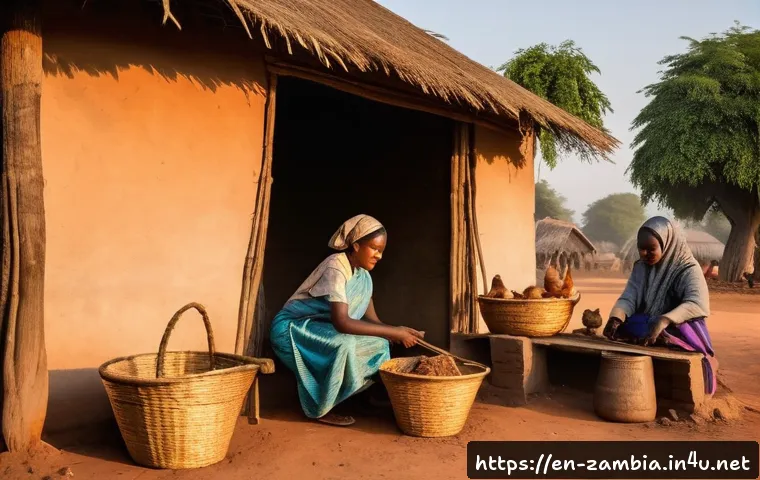
As travel enthusiasts increasingly seek off-the-beaten-path adventures, Zambia’s hidden gems are capturing the spotlight like never before. With its breathtaking landscapes and rich cultural tapestry, this Southern African treasure offers backpackers an unforgettable experience beyond the usual safari routes.
Whether you’re chasing pristine waterfalls or immersing yourself in vibrant local communities, exploring Zambia demands some insider know-how to navigate safely and smartly.
In this guide, I’ll share essential tips that helped me uncover Zambia’s best-kept secrets while staying comfortable and confident on the trail. Ready to backpack like a pro and dive into Zambia’s wonders?
Let’s get started!
Mastering Zambia’s Transport Maze
Choosing the Right Ride for Your Route
Navigating Zambia’s vast landscapes can feel like a puzzle, especially when you’re chasing those hidden gems far from the beaten path. From my own experience, hopping on local minibuses, known as “kombis,” offers an authentic and budget-friendly way to get around, but be ready for crowded rides and unpredictable schedules.
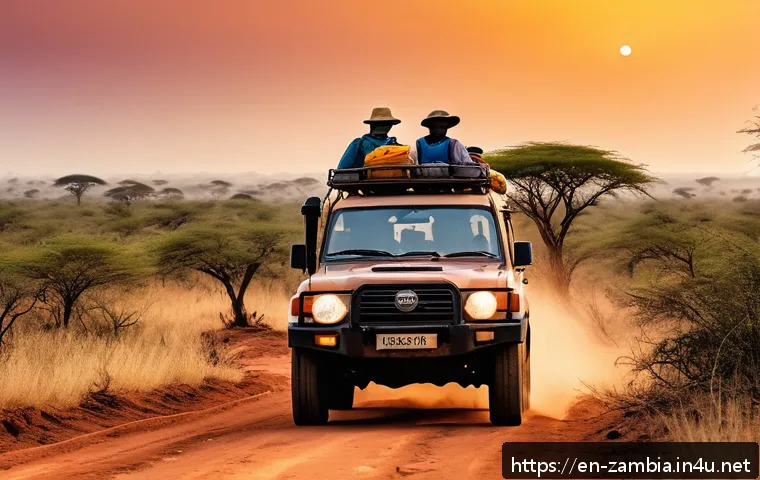
For longer journeys or remote spots like the Bangweulu wetlands, renting a 4×4 is a game-changer—yes, it’s pricier, but the freedom to explore at your own pace and access dirt roads is worth every dollar.
If you’re traveling between major cities, intercity buses are comfortable and reliable, but always book in advance during peak seasons to avoid last-minute hassles.
Don’t overlook shared taxis for short distances; they’re quick and a great way to mingle with locals.
Safety Tips for Road Travel
Safety on Zambian roads is paramount, especially after dark. I learned the hard way that roads outside urban centers can be poorly lit and sometimes rough, so avoiding night travel is wise.
Stick to main highways whenever possible, as they’re better maintained and patrolled. Always keep your valuables close and be cautious when accepting rides from strangers or unlicensed drivers.
It’s also a smart move to download offline maps and keep a local SIM card handy for GPS and emergency contacts. If you’re renting a vehicle, double-check insurance coverage and ensure you understand local driving laws—they can differ quite a bit from what you might be used to.
Budgeting Your Transport Costs
Transport costs can vary wildly depending on your style of travel. Kombis and shared taxis will save you money but expect a slower pace. Private car hires or guided tours cost more but offer comfort and insider knowledge.
I found balancing these options gave me both authentic experiences and moments of ease. Here’s a quick breakdown to help you plan:
| Transport Mode | Approximate Cost (USD) | Best For |
|---|---|---|
| Kombi (Local Minibus) | $1–$5 per trip | Short distances, budget travel |
| Intercity Bus | $10–$30 per trip | City-to-city travel |
| 4×4 Rental | $70–$120 per day | Remote areas, flexible itinerary |
| Shared Taxi | $2–$10 | Quick, short hops |
| Private Taxi | $10–$50 per trip | Convenience, comfort |
Finding Authentic Local Experiences
Engaging with Zambia’s Diverse Communities
Zambia’s charm is deeply rooted in its people and their traditions. I vividly remember visiting a small village near the Lower Zambezi National Park, where a family welcomed me to share a meal and stories about their heritage.
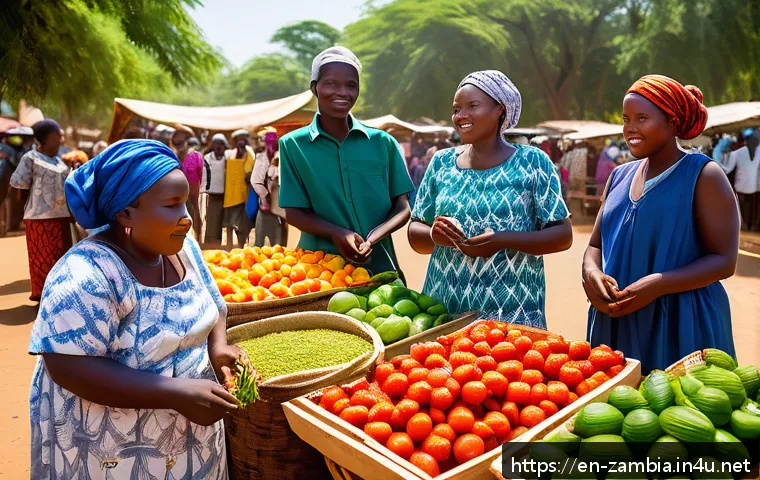
To truly connect, it helps to learn a few words in Bemba or Nyanja—locals appreciate the effort and it opens doors. Participating in cultural ceremonies or markets not only supports local artisans but enriches your journey far beyond tourist spots.
When visiting communities, always ask permission before taking photos, and respect local customs—this respectful approach leads to genuine friendships and memorable moments.
Tasting Zambia Beyond the Tourist Plates
Food is a window into culture, and Zambia’s flavors are both simple and soulful. I fell in love with nshima, the staple maize porridge, often served with delicious relishes like grilled fish or vegetable stews.
Street food stalls offer tasty treats like roasted maize and fried caterpillars for the adventurous eater. Don’t miss sampling local beers such as Mosi Lager, perfect after a day’s trek.
For those with dietary restrictions, markets are great for fresh fruits and vegetables, but I always carried some snacks for remote areas. Eating with locals gives you a true taste of Zambia’s hospitality and culinary traditions.
Gear Essentials for Zambia’s Terrain and Climate
Packing Smart for Comfort and Safety
Zambia’s weather can be unpredictable—hot days, chilly nights, and occasional rain showers—so layering is your best friend. When I packed for my trip, lightweight breathable clothing paired with a warm fleece and waterproof jacket kept me comfortable throughout.
Good hiking boots are a must; the terrain ranges from dusty trails to rocky paths, and a sturdy pair saved me from multiple slips. Don’t forget insect repellent with DEET and a mosquito net if you plan to camp or stay in rural areas.
A reliable water purification method is crucial too; I used a portable filter bottle, which was a lifesaver when refilling from natural sources.
Tech and Travel Gadgets That Made a Difference
Technology can be a real travel buddy in Zambia’s wild corners. I brought a power bank that kept my devices charged during long days without outlets. Offline navigation apps like Maps.me helped me avoid getting lost when cell service dipped.
A headlamp was invaluable for late-night walks at campsites, and a compact first aid kit gave me peace of mind. For photography, a camera with a good zoom captured wildlife without disturbing them.
Most importantly, I kept digital copies of my documents on a cloud service, just in case—something I highly recommend for any trip.
Health Precautions and Staying Well
Vaccinations and Malaria Prevention
Before heading to Zambia, I made sure to get all recommended vaccinations including yellow fever, typhoid, and hepatitis A. Malaria is a real concern, especially in the rainy season and rural areas, so taking prophylactic medication and using insect repellent daily was non-negotiable for me.
Sleeping under mosquito nets and wearing long sleeves at dusk further reduced my risk. If you feel unwell during your trip, seek medical advice promptly—local clinics in major towns are well-equipped, but rural areas can be limited, so carry a basic medical kit and know where the nearest hospital is.
Food and Water Safety Tips
Stomach issues are a common travel woe, but with some care, you can avoid them. I stuck to bottled or purified water and avoided ice in drinks unless sure it was safe.
Eating freshly cooked meals at busy local eateries helped minimize risk, while raw salads and street food required a bit more caution. Hand sanitizer and wet wipes became daily essentials, especially after market visits.
When in doubt, trust your instincts and opt for well-cooked food and sealed beverages. This approach kept me healthy and energized throughout my adventure.
Budgeting Your Zambia Adventure Wisely
Balancing Comfort and Cost
Backpacking on a budget doesn’t mean skimping on experiences. I found that mixing budget hostels with occasional splurges on comfortable lodges helped me recharge without breaking the bank.
Local guesthouses often offered the best value and a chance to meet fellow travelers, while camping near natural wonders saved money and deepened my connection with the environment.
Eating local dishes rather than international cuisine kept food expenses low. Planning ahead and booking some services online allowed me to snag early bird discounts, which made a noticeable difference in overall costs.
Money Matters and Currency Tips
Zambian kwacha (ZMW) is the local currency, and cash is king in many rural areas. I carried a mix of cash and cards but relied mostly on cash for markets, transport, and small purchases.
ATMs are available in major cities, but don’t count on them in remote regions, so always withdraw enough beforehand. Currency exchange rates at official bureaus or banks are better than at airports or hotels.
Tipping is appreciated but not obligatory; small amounts to guides, drivers, or helpful locals go a long way in showing gratitude. Keeping some emergency funds separate also helped me stay worry-free.
Planning Your Off-Grid Accommodation
Unique Stays That Blend Comfort and Adventure
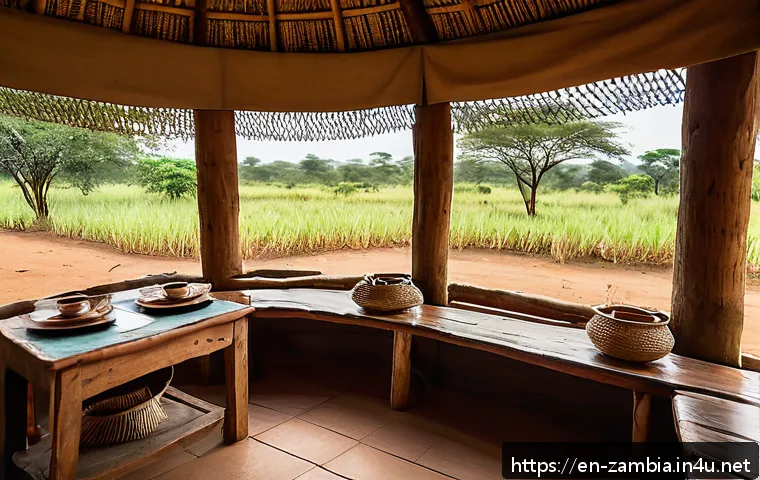
From eco-lodges tucked into the bush to riverside campsites where hippos serenade you at night, Zambia offers a range of accommodations that turn stays into experiences.
I loved staying at community-run lodges that not only provided cozy rooms but also contributed to local development projects. Booking in advance during peak season is crucial since the best spots fill up quickly.
If you’re up for it, camping under the stars is unbeatable, but make sure your gear is up to the challenge and you follow all safety guidelines. Many campsites offer basic facilities but bring your own supplies just in case.
Booking Tips and Local Etiquette
When booking accommodations, I found contacting places directly often yielded better rates and personalized advice than booking sites. Many lodges and guesthouses appreciate clear communication about arrival times and dietary needs.
Respecting house rules and local customs not only ensures a smooth stay but also fosters goodwill—simple gestures like greeting staff warmly and supporting on-site initiatives make a difference.
If you plan to stay in homestays or community lodges, prepare to embrace a slower pace and enjoy genuine hospitality, which often becomes the highlight of the trip.
Conclusion
Exploring Zambia’s diverse landscapes and rich culture offers an unforgettable adventure that blends nature, tradition, and warm hospitality. With careful planning and an open heart, you can navigate the transport maze, savor authentic experiences, and stay comfortable and safe throughout your journey. Whether you’re a budget traveler or seeking unique lodgings, Zambia has something special waiting for you at every turn.
Useful Information to Keep in Mind
1. Always prioritize safety by avoiding night travel and sticking to well-maintained roads whenever possible.
2. Carry a local SIM card and offline maps to ensure smooth navigation in remote areas.
3. Mix transport options like kombis and 4×4 rentals to balance budget and flexibility.
4. Engage respectfully with local communities by learning basic phrases and honoring customs.
5. Prepare for Zambia’s climate by layering clothes and packing essential gear like insect repellent and sturdy footwear.
Key Takeaways
Mastering travel in Zambia means embracing its unique challenges and rewards: understanding transport options, respecting local culture, and prioritizing health and safety are vital. Budget wisely to enjoy both authentic experiences and moments of comfort. Booking accommodations directly and planning ahead can enhance your stay, while being prepared with the right gear and vaccinations ensures a smooth adventure. Above all, openness and respect will enrich your journey through this beautiful country.
Frequently Asked Questions (FAQ) 📖
Q: uestionsQ1: What are the must-see hidden gems in Zambia beyond the typical safari spots?
A: While Victoria Falls and South Luangwa National Park are iconic, some lesser-known treasures include the stunning Kalambo Falls, which is one of Africa’s tallest waterfalls, and the remote Bangweulu Wetlands, perfect for birdwatching and experiencing traditional fishing communities.
Don’t miss the Lower Zambezi National Park for canoe safaris that offer a unique, up-close wildlife experience away from crowds. These places showcase Zambia’s diverse beauty without the usual tourist buzz.
Q: How can I stay safe and comfortable while backpacking in Zambia’s off-the-beaten-path areas?
A: Safety starts with preparation. Always travel with a local guide when exploring remote regions, as they know the terrain and cultural nuances. Carry essentials like mosquito repellent, a first-aid kit, and water purification tablets.
I found that staying in community-run lodges not only supports local economies but also provides a safer, more welcoming environment. Being respectful to local customs and avoiding nighttime travel on isolated roads also helped me feel secure throughout my journey.
Q: What’s the best time of year to visit Zambia for a backpacking adventure?
A: The dry season, from May to October, is ideal for backpackers wanting to explore wildlife and natural wonders with less rain and easier access to remote spots.
Wildlife sightings are more frequent as animals gather around water sources, and the weather is generally pleasant. However, if you’re interested in lush landscapes and fewer tourists, the early rainy season (November to December) offers stunning scenery, though some roads may be challenging.
I personally preferred the dry months for smooth travel and comfortable camping experiences.