If you’ve been curious about the heartbeat of Zambia after dark, you’re in for a treat. The country’s nightlife is a dynamic blend of pulsating music, vibrant dance floors, and rich cultural expression that’s captivating both locals and visitors alike.
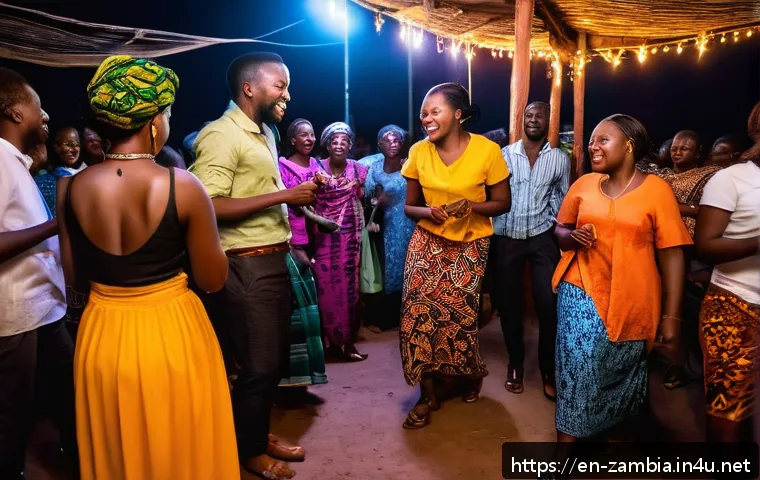
With recent events reviving live performances and club gatherings, Zambia’s party scene is buzzing more than ever. Whether you’re a fan of Afrobeat rhythms or looking to explore unique local sounds, the club culture here offers an unforgettable experience.
Let’s dive into what makes Zambia’s nightlife truly stand out and how it reflects the country’s colorful identity. Stick around—this guide will have you planning your night out in no time!
Electric Vibes: The Pulse of Lusaka’s Nightlife
Clubbing Hotspots That Keep the City Alive
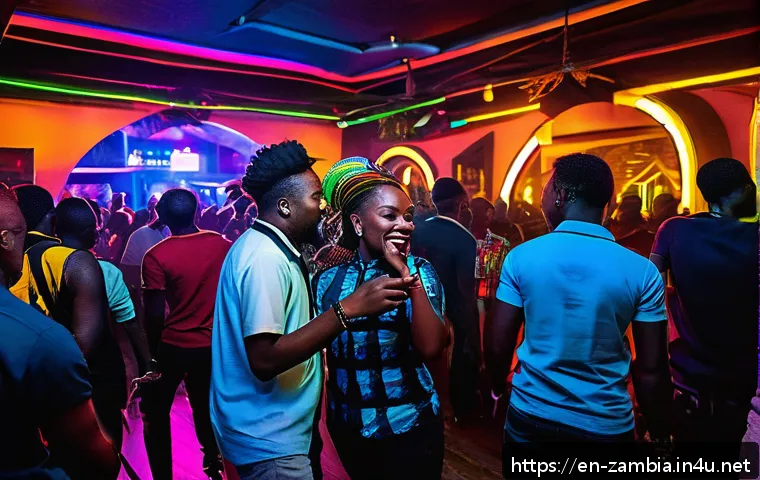
Lusaka, the beating heart of Zambia’s nightlife, offers an array of clubs that cater to every kind of partygoer. From sleek urban lounges to sprawling dance halls, the city pulses with energy well into the early hours.
Places like Manda Hill and Arcades Shopping Mall have become synonymous with vibrant night scenes, hosting popular clubs where Afrobeat, reggae, and hip-hop reign supreme.
I’ve personally found that the vibe at these clubs is unbeatable—there’s this magnetic buzz in the air, a mix of locals and tourists all drawn by the infectious rhythms and welcoming atmosphere.
Whether you prefer dancing under the glow of neon lights or chilling with friends over cocktails, Lusaka’s nightlife hotspots deliver a diverse and dynamic experience.
Local DJs and Live Performances
One of the highlights that really sets Lusaka apart is the presence of talented local DJs and live bands. These artists bring fresh energy to the scene, blending traditional Zambian sounds with contemporary beats.
I remember catching a live Afro-fusion set that seamlessly mixed traditional drums with electronic basslines—a perfect example of how the city’s nightlife embraces both heritage and modernity.
Frequent events like “Zed Beats” nights showcase this fusion, attracting crowds hungry for authentic and innovative music. These live performances are not only entertainment but also a cultural celebration, making every night out a memorable journey into Zambia’s musical soul.
Safety and Accessibility Tips
When exploring Lusaka’s nightlife, safety and convenience go hand in hand. Most clubs are located in well-lit, popular areas with good transport links, but it’s always wise to use trusted taxi services or ride-sharing apps for late-night travel.
From my experience, arriving early helps avoid long queues and ensures you get a spot in the best venues. It’s also common to see dress codes in effect, so checking ahead can save you from any last-minute surprises.
Overall, the city’s nightlife is welcoming and accessible, but staying mindful of your surroundings adds to the enjoyment and peace of mind.
Rhythms of the Copperbelt: Nightlife in Ndola and Kitwe
Clubs Embracing the Afrobeat Wave
In Zambia’s Copperbelt region, nightlife takes on a slightly different flavor, with Ndola and Kitwe leading the charge. These cities have developed a reputation for energetic clubs that emphasize Afrobeat and Zambian pop music.
The crowd here is passionate and lively, often spilling out into the streets during weekends. I noticed that these venues tend to be more intimate than Lusaka’s massive clubs, creating a sense of community and shared excitement.
The DJs often spin a mix of international hits and local favorites, keeping the dance floor packed and the energy high throughout the night.
Traditional Influences in Modern Nightlife
What’s fascinating about Copperbelt nightlife is how traditional music elements sneak into modern club sets. You might hear the unmistakable rhythms of kalindula basslines or the vibrant tempo of traditional drums layered over electronic beats.
It’s a subtle but powerful nod to Zambian roots that adds depth and uniqueness to the party scene. From talking to locals, it’s clear that this blend is a source of pride, connecting younger generations to their cultural identity even as they embrace global music trends.
Popular Events and Seasonal Festivals
The nightlife here also gets a boost from regular events and seasonal festivals. For instance, Kitwe’s “Copperbeat Festival” is a major draw, showcasing top Zambian artists alongside regional acts.
These festivals transform the nightlife landscape, turning clubs and open-air venues into hubs of cultural expression and celebration. Attending one of these events provides an immersive experience, with food vendors, craft stalls, and dance competitions complementing the live music and DJ sets.
It’s a vivid reminder of how nightlife in Zambia is not just about partying—it’s a vibrant cultural tapestry.
Flavorful Nights: Zambian Cuisine Meets Nightlife
Late-Night Food Culture
One aspect that often gets overlooked but significantly enriches the nightlife experience is the local food scene after dark. After dancing or enjoying live music, many locals and visitors head to popular spots serving traditional Zambian dishes.
Think nshima (a staple maize porridge) paired with rich stews or grilled meats, perfect for refueling after a night of high energy. I’ve found that these late-night eateries are not only delicious but also a social hub where stories and laughter flow as freely as the drinks.
Street Food Stalls and Night Markets
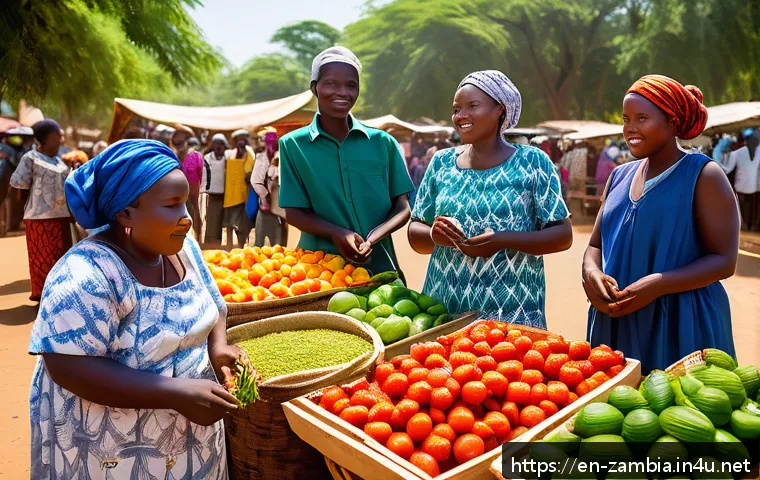
In cities like Lusaka and Ndola, street food stalls and night markets come alive after sunset, offering everything from fried fish to spicy roasted maize.
These vendors create a bustling atmosphere, with aromas and sizzling sounds that add another layer to the nightlife charm. I often stop by these stalls after clubbing to grab a quick snack and soak in the local vibe.
It’s an authentic way to engage with the community and savor flavors you won’t find anywhere else.
Pairing Drinks with Local Flavors
When it comes to drinks, Zambia’s nightlife offers more than just international cocktails and beers. Local brews like Mosi Lager complement the food perfectly, bringing a refreshing balance to the hearty dishes.
Mixologists in some upscale venues have started incorporating traditional ingredients into their cocktails, creating unique blends that celebrate Zambian flavors.
Sampling these drinks alongside the cuisine provides a full sensory experience that captures the spirit of Zambian nights.
Understanding the Nightlife Scene: A Quick Overview
| City | Popular Music Genres | Typical Venues | Unique Features | Best Time to Visit |
|---|---|---|---|---|
| Lusaka | Afrobeat, Hip-Hop, Reggae | Urban lounges, large clubs | Live DJ sets, fusion music nights | Friday to Sunday |
| Ndola | Afrobeat, Zambian Pop | Intimate clubs, community bars | Traditional music influence, local artist showcases | Weekends, festival seasons |
| Kitwe | Afrobeat, Kalindula fusion | Open-air venues, night markets | Seasonal music festivals, cultural events | Festival periods, weekends |
The Social Fabric: How Nightlife Builds Community
Connecting Through Music and Dance
Nightlife in Zambia isn’t just about entertainment; it’s a powerful social glue that brings people together. Dancing and music create shared moments that transcend language and background, fostering a sense of unity.
I’ve witnessed how evenings at clubs often turn into spontaneous gatherings where strangers become friends, linked by the rhythm and joy of the night.
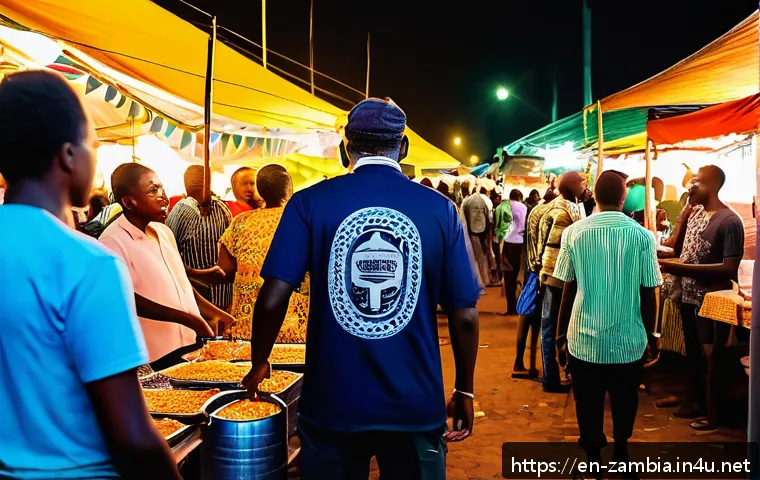
This communal spirit is a testament to the cultural importance of nightlife in Zambian society.
Supporting Local Talent and Economy
Another important aspect is how the nightlife scene supports local artists, vendors, and small businesses. Every ticket bought, every drink ordered, and every meal enjoyed contributes to a growing ecosystem that sustains livelihoods.
From DJs and performers to food stall owners and security staff, the night economy provides vital income streams. It’s rewarding to see how vibrant nightlife directly uplifts communities, creating opportunities and encouraging creative expression.
Inclusivity and Cultural Exchange
Zambian nightlife is also notably inclusive, embracing diversity and encouraging cultural exchange. Visitors often find themselves welcomed warmly, invited to dance and share in local traditions.
This openness creates a unique atmosphere where different cultures blend effortlessly, enriching the experience for everyone. Having spent many nights mingling with locals and tourists alike, I can say the genuine friendliness here is one of the biggest draws of Zambia’s after-dark scene.
Planning Your Night Out: Practical Tips and Tricks
Timing Your Visit for Maximum Fun
Choosing when to hit the clubs or attend live shows can make all the difference. Generally, weekends are peak times, but special events or themed nights happen throughout the week, so checking local listings is a must.
Arriving early often means better seating and a more relaxed vibe before the crowd swells. From personal experience, pacing yourself is key—starting with a casual dinner, then moving to a lively club, ensures you soak up the full night without burning out too soon.
What to Wear and Bring Along
Dress codes vary, but most venues lean towards smart casual. Comfortable shoes are a must, especially if you plan on dancing till dawn. Carrying a small bag with essentials like ID, cash, and a phone charger is a good idea—some clubs may not accept cards, and you’ll want to capture those memorable moments.
I’ve learned the hard way that a lightweight jacket can be a lifesaver during cooler late nights or unexpected weather changes.
Budgeting for a Night Out
Zambian nightlife can be surprisingly affordable, but costs vary depending on the venue and activities planned. Cover charges typically range from modest to moderate, with drinks priced competitively compared to global standards.
If you’re keen on premium cocktails or VIP access, expect higher prices. Planning ahead and setting a budget helps avoid any surprises. Personally, I find that balancing a mix of street food, local brews, and a couple of club visits stretches your budget while maximizing the experience.
Emerging Trends Shaping Zambia’s Nightlife Future
Tech Integration and Virtual Events
As digital connectivity improves, Zambia’s nightlife is beginning to incorporate technology in exciting ways. Virtual DJ sets, live-streamed concerts, and social media-driven event promotions are becoming more common.
I recently tuned into a virtual Afrobeat party hosted by a Lusaka club, and it was a great way to stay connected with the scene even from afar. This blend of physical and digital nightlife is expanding accessibility and introducing new ways to engage with music and culture.
Eco-Friendly and Community-Focused Venues
A growing number of venues are adopting sustainable practices, from using solar power to minimizing waste. This shift reflects a broader awareness within the nightlife community about environmental responsibility.
I’ve visited a few eco-conscious clubs that prioritize local sourcing and community involvement, creating spaces that feel both vibrant and ethical. This trend not only benefits the planet but also resonates with visitors who value socially responsible entertainment options.
Fusion of Traditional and Contemporary Styles
Looking ahead, the fusion of traditional Zambian music with global genres will likely deepen, creating even more distinctive nightlife experiences. Musicians and DJs are experimenting with new sounds, and venues are becoming incubators for creative innovation.
This evolution promises a nightlife scene that honors heritage while embracing the future, making Zambia an exciting destination for music lovers worldwide.
Conclusion
Zambia’s nightlife scene is a vibrant blend of culture, music, and community spirit that offers something for everyone. Whether you’re drawn to Lusaka’s energetic clubs, the Copperbelt’s traditional fusion sounds, or the flavorful late-night food culture, each experience leaves a lasting impression. The dynamic mix of modern trends and rich heritage makes exploring Zambia after dark a truly unforgettable adventure.
Useful Tips to Keep in Mind
1. Plan your nights around weekends or special events to enjoy the best atmosphere and live performances.
2. Dress smart casual and bring essentials like ID, cash, and a phone charger for a hassle-free experience.
3. Use trusted transport options such as reputable taxis or ride-sharing apps for safe late-night travel.
4. Try local brews and street foods to fully immerse yourself in Zambia’s authentic nightlife flavors.
5. Budget wisely by balancing club visits with affordable local food and drinks to maximize your enjoyment.
Key Takeaways
Zambia’s nightlife thrives on its unique fusion of traditional and contemporary music, creating lively social spaces that foster community and cultural pride. Safety and accessibility are generally well-managed, especially in major cities like Lusaka, Ndola, and Kitwe, but staying aware and prepared enhances the experience. Supporting local artists and businesses is integral to the night economy, making every night out meaningful beyond just entertainment. Lastly, emerging trends such as eco-friendly venues and digital events promise an exciting, sustainable future for Zambia’s vibrant nightlife culture.
Frequently Asked Questions (FAQ) 📖
Q: What types of music can I expect to hear in Zambia’s nightlife scene?
A: Zambia’s nightlife is rich with diverse musical styles, but you’ll mostly encounter vibrant Afrobeat rhythms that get everyone moving. Local genres like Zamrock and traditional Kalindula also feature prominently, offering a unique sound that reflects Zambia’s cultural heritage.
Many clubs and live venues mix these with popular international hits, so whether you love danceable beats or something more rooted in local tradition, there’s something for everyone.
Q: Are there any safety tips for enjoying the nightlife in Zambia?
A: Absolutely, safety is key when exploring any nightlife. In Zambia, it’s best to stick to well-known venues in cities like Lusaka or Livingstone, especially if you’re new to the scene.
Avoid walking alone late at night, use reputable taxis or ride-sharing apps, and keep an eye on your belongings. Locals are generally friendly and helpful, but taking basic precautions ensures your night out is fun and worry-free.
Q: How has the recent revival of live performances impacted Zambia’s club culture?
A: The resurgence of live shows has truly energized Zambia’s nightlife. After a period of limited events, venues are buzzing with renewed energy, drawing crowds eager for authentic, communal experiences.
This revival has boosted local musicians’ visibility and created a platform for cultural exchange, making nights out feel more vibrant and connected than ever.
From jazz nights to Afrobeat showcases, live music is now a cornerstone of the party scene.