Protecting children in Zambia is a critical challenge that touches every corner of society. From ensuring access to education and healthcare to shielding youngsters from exploitation and abuse, the efforts to create safe environments are ongoing and complex.
Many local organizations and international partners are actively working to strengthen child protection systems, but gaps remain. Understanding these issues is essential for anyone interested in global child welfare and development.
Let’s dive deeper and uncover the realities and solutions shaping Zambia’s approach to safeguarding its youngest citizens. I’ll walk you through the key points ahead!
Building Strong Foundations for Child Safety
Community Involvement in Child Protection
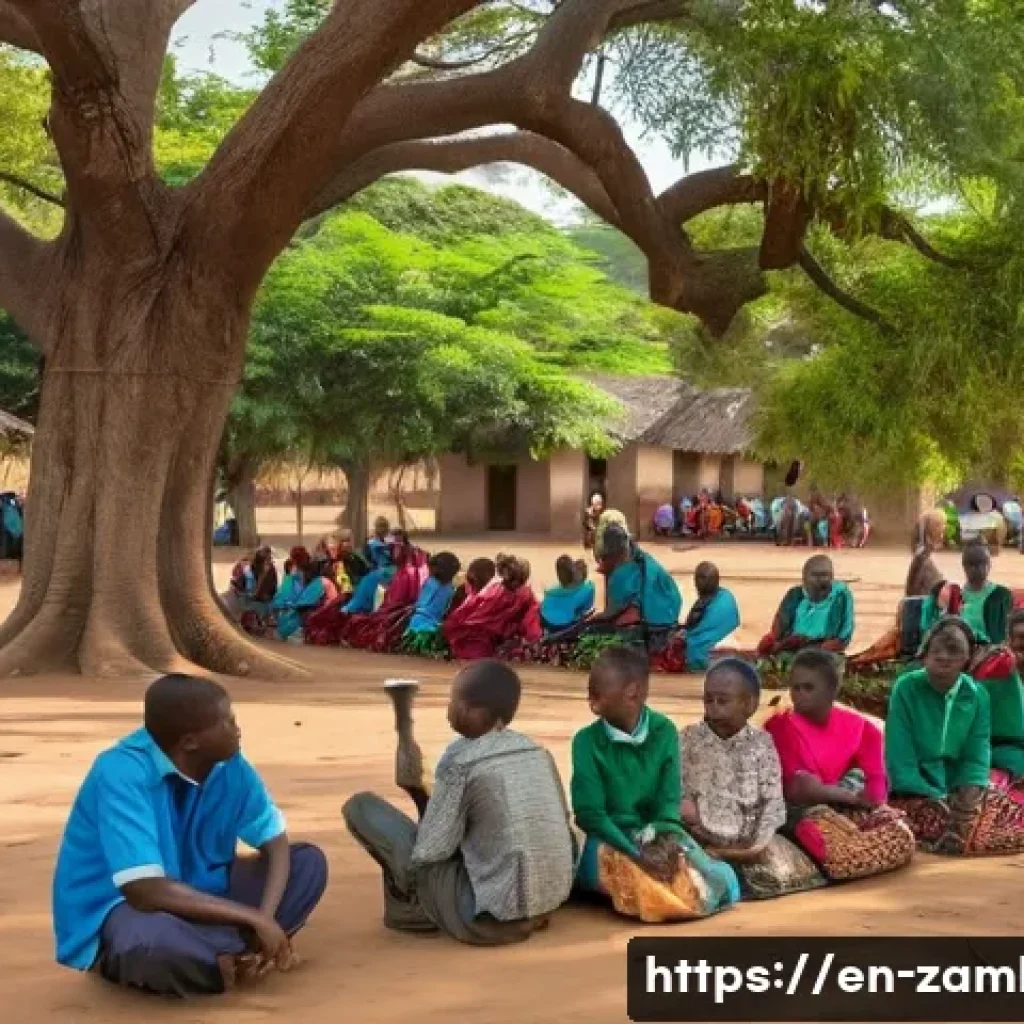
In Zambia, one of the most effective ways to safeguard children is through active community engagement. Local leaders, parents, and volunteers often come together to create neighborhood watch groups and awareness campaigns that educate families about the dangers children face, such as trafficking and exploitation.
From my experience working with grassroots organizations, these initiatives empower communities to identify risks early and provide support networks for vulnerable children.
The sense of ownership people develop over protecting their young ones translates into more proactive and sustained efforts on the ground.
Improving Access to Education and Health Services
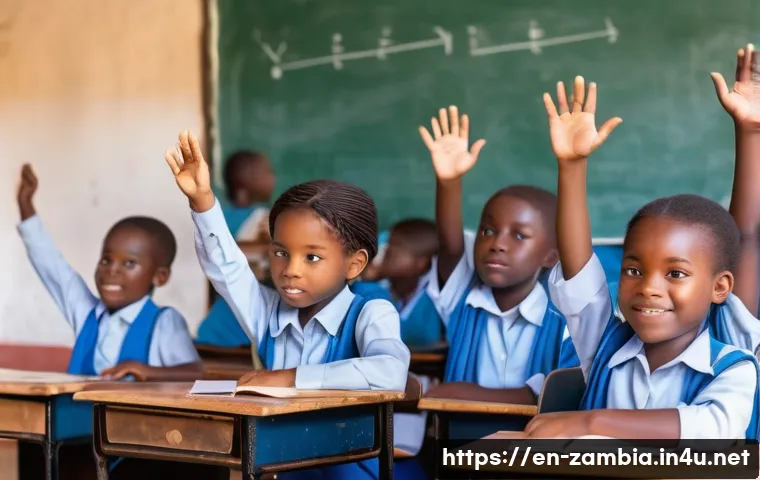
Access to quality education and healthcare forms a cornerstone of child protection. Schools in Zambia don’t just teach literacy—they also serve as safe spaces where children can report abuse and receive counseling.
However, many rural areas still struggle with limited resources, making it difficult for children to attend regularly or get proper medical care. From what I’ve observed, programs that integrate health check-ups with school attendance have made a remarkable difference, especially in preventing diseases that can impact children’s long-term well-being.
Enhancing these services directly contributes to creating a protective environment around children.
Government Policies and Legal Frameworks
Zambia has implemented several laws aimed at protecting children, including statutes against child labor and abuse. While these policies provide a solid framework, enforcement often falls short due to resource constraints and gaps in training for law enforcement officials.
My conversations with child welfare experts reveal that strengthening judicial processes and raising awareness among police officers are crucial steps toward ensuring that laws translate into real protection.
It’s a tough balance between creating policies on paper and making sure they are felt in everyday life by Zambia’s youth.
Addressing Exploitation and Abuse Risks
Combatting Child Trafficking Networks
Child trafficking remains a grave concern in Zambia, with many children being lured away from their homes under false pretenses. Families in impoverished areas are particularly vulnerable to deceptive offers promising education or employment opportunities.
I’ve heard firsthand stories from social workers about children rescued from trafficking rings, and the trauma these kids endure is heartbreaking. Tackling this issue requires coordinated efforts between border control, community vigilance, and rehabilitation programs that help survivors rebuild their lives.
Protecting Children from Early Marriage and Exploitation
Early marriage continues to affect thousands of girls in Zambia, often exposing them to exploitation and health risks. Cultural norms and economic pressures play a significant role in perpetuating this practice.
Through various NGO initiatives I’ve observed, educating communities about the dangers of early marriage and providing alternative pathways, such as vocational training for girls, have shown promising results.
These efforts not only protect children but also empower them to envision futures beyond traditional roles.
Psychosocial Support and Rehabilitation
Children who have experienced abuse or exploitation need comprehensive support systems to heal and thrive. Psychosocial services, including counseling and peer support groups, are vital but often underfunded in Zambia.
I recall visiting a rehabilitation center where children engaged in art therapy and storytelling to process their trauma—these creative approaches offer hope and build resilience.
Expanding these services across more regions is essential to ensure every child has a chance to recover fully.
Enhancing Education as a Protective Tool
Integrating Child Protection in School Curriculums
Embedding child protection topics into school curriculums helps children recognize and report abuse early. Lessons on personal safety, rights, and healthy relationships equip students with knowledge that can prevent exploitation.
From my observations, teachers trained to handle sensitive discussions create safer learning environments where children feel comfortable sharing concerns.
This proactive education model is a game-changer in shifting mindsets and empowering young people.
Supporting Vulnerable Children to Stay in School
Economic hardship often forces children to drop out and become exposed to risks like child labor. Scholarship programs and school feeding schemes have been instrumental in keeping vulnerable children enrolled.
I’ve seen how a simple daily meal at school can motivate attendance and improve concentration. These practical supports not only increase educational attainment but also serve as protective buffers against harmful situations outside the classroom.
Addressing Barriers for Children with Disabilities
Children with disabilities in Zambia face compounded challenges in accessing education and protection services. Physical accessibility, stigma, and lack of specialized support limit their inclusion.
During visits to inclusive schools, I noticed the positive impact of tailored learning materials and trained staff who accommodate diverse needs. Prioritizing disability-inclusive policies ensures that all children, regardless of ability, receive the protection and opportunities they deserve.
Strengthening Healthcare Systems for Child Protection
Preventive Healthcare and Vaccination Campaigns
Preventive healthcare plays a critical role in child protection by reducing vulnerability to illness and long-term disability. Zambia has made strides with vaccination campaigns targeting diseases like measles and polio, which disproportionately affect children.
From a practical standpoint, these health initiatives reduce hospitalization rates and enable children to participate fully in school and community life.
Expanding coverage remains a priority to close gaps in rural and underserved populations.
Mental Health Services for Children
Mental health is often overlooked in child protection strategies but is equally important. Many children affected by abuse or trauma suffer in silence without access to counseling or psychiatric care.
I’ve encountered programs training community health workers to recognize signs of distress and provide first-line support, which is a promising approach given the shortage of specialized professionals.
Increasing investment in mental health infrastructure is vital to holistic child welfare.
Addressing Malnutrition and Its Impact
Malnutrition weakens children’s immune systems and hinders cognitive development, making them more susceptible to disease and exploitation. Nutritional support programs in Zambia, such as supplementary feeding for at-risk children, are crucial interventions.
I’ve seen how these programs improve children’s energy levels and school performance, reinforcing the connection between nutrition and protection. Sustaining and scaling these efforts will help break cycles of poverty and vulnerability.
Collaborative Efforts and International Partnerships
Role of NGOs and Civil Society
Non-governmental organizations play a pivotal role in filling service gaps and advocating for children’s rights in Zambia. Many of these groups implement grassroots projects that directly address local needs, from emergency shelter to legal aid.
My involvement with a few of these NGOs revealed their adaptability and deep community trust, which are key factors in their success. They often serve as a bridge between the government and the people, ensuring that child protection remains a priority.
International Support and Funding
International donors and agencies contribute significant resources and technical expertise to Zambia’s child protection landscape. Funding from global partners enables programs that would otherwise be impossible due to budget constraints.
However, sustainability remains a challenge when external funding fluctuates. I have learned that long-term impact depends on building local capacity alongside financial support, so communities can maintain protective services independently.
Monitoring and Data Collection Improvements
Accurate data collection on child protection issues is fundamental for effective interventions. Zambia has been working to enhance monitoring systems, but inconsistencies and underreporting still occur.
From discussions with field workers, better training and digital tools for data management have started to improve transparency and resource allocation.
Reliable data not only helps track progress but also informs policy adjustments that better serve children’s needs.
Key Child Protection Indicators in Zambia
| Indicator | Current Status | Challenges | Recent Improvements |
|---|---|---|---|
| Child Labor Prevalence | Approximately 30% of children engaged in labor | Economic hardship, weak enforcement | Community awareness campaigns, policy updates |
| Primary School Completion Rate | About 75% | Dropouts due to poverty and early marriage | Scholarships and school feeding programs |
| Child Marriage Rate (Girls under 18) | Around 40% | Cultural norms, lack of education | Vocational training initiatives, legal reforms |
| Access to Healthcare Services | Varies widely; rural areas underserved | Infrastructure limitations, funding gaps | Vaccination drives, mobile clinics |
| Reporting of Child Abuse Cases | Low reporting rates | Stigma, lack of awareness | Training for teachers and police, hotlines |
Conclusion
Protecting children requires a united effort from communities, governments, and international partners. By strengthening education, healthcare, and legal frameworks, we can build safer environments where children thrive. Continuous awareness and support are vital to overcoming challenges and ensuring every child’s rights are respected and upheld.
Useful Information to Keep in Mind
1. Community involvement is key to early identification and prevention of risks facing children.
2. Access to education and healthcare significantly reduces vulnerabilities and promotes well-being.
3. Legal protections need effective enforcement and awareness among authorities to make a real difference.
4. Psychosocial support and rehabilitation services are essential for children recovering from trauma.
5. Collaboration between NGOs, governments, and donors strengthens child protection systems sustainably.
Summary of Key Points
Ensuring child safety demands a comprehensive approach that combines grassroots engagement, improved access to essential services, and robust legal frameworks. Addressing exploitation, enhancing educational opportunities, and expanding healthcare—especially mental health and nutrition—are critical. Moreover, international cooperation and reliable data collection bolster efforts to protect vulnerable children effectively. Empowering communities and prioritizing inclusive policies remain central to creating lasting impact.
Frequently Asked Questions (FAQ) 📖
Q: What are the main challenges facing child protection efforts in Zambia?
A: One of the biggest challenges is the lack of sufficient resources and infrastructure, especially in rural areas. Many children face barriers to accessing quality education and healthcare, which are fundamental to their well-being.
Additionally, issues like child labor, early marriage, and abuse remain prevalent, partly due to poverty and social norms. Although local organizations and government agencies work hard, gaps in coordination and funding slow progress.
From my experience following these efforts, it’s clear that strengthening community awareness and improving legal frameworks are crucial steps forward.
Q: How are local and international organizations contributing to child protection in Zambia?
A: Local NGOs often serve as the frontline support, providing education programs, counseling, and emergency assistance to vulnerable children. International partners bring in funding, technical expertise, and advocacy, helping to build stronger child protection systems nationwide.
For example, some initiatives focus on training social workers and improving reporting mechanisms for abuse cases. I’ve noticed that when these groups collaborate effectively with government bodies, the impact is much more sustainable, creating safer environments for children over time.
Q: What can individuals outside Zambia do to support child protection efforts there?
A: Supporting Zambia’s child protection efforts can take many forms, from donating to reputable NGOs working on the ground to raising awareness through social media.
Volunteering expertise remotely or advocating for policies that address child welfare globally also makes a difference. Personally, I’ve found that sharing accurate information and encouraging responsible tourism that respects local communities helps generate positive change.
Staying informed and connected to credible sources ensures your support truly benefits the children who need it most.