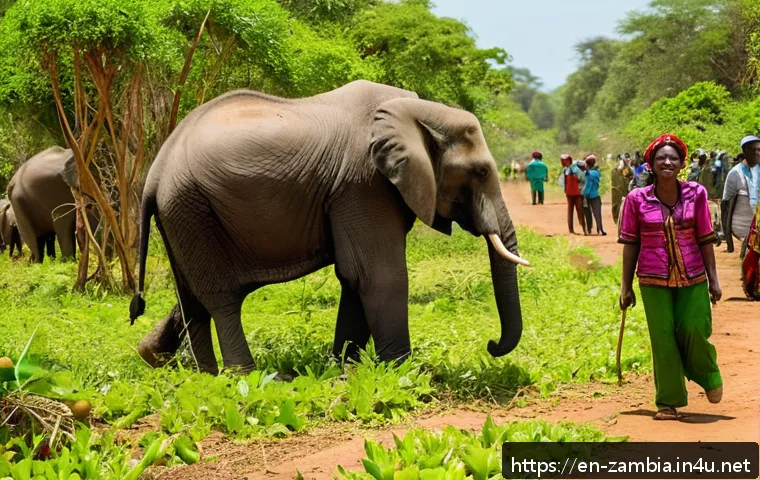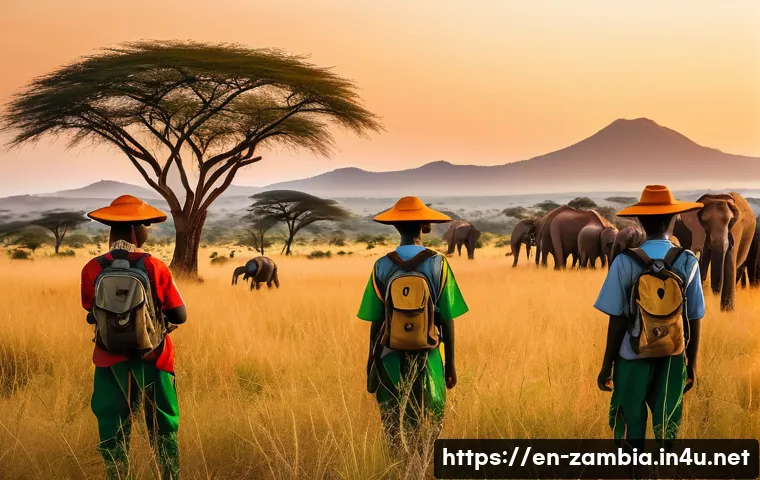
Zambia is home to some of Africa’s most breathtaking wildlife and vast wilderness areas, making it a vital hotspot for conservation efforts. The country’s rich biodiversity faces ongoing threats from poaching, habitat loss, and climate change.
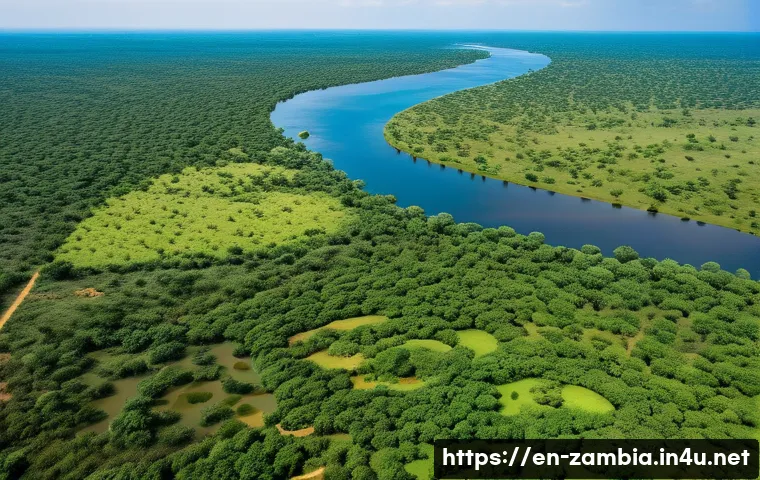
Protecting these majestic creatures and their habitats is not just about preserving nature, but also about supporting local communities and sustainable tourism.
Over the years, innovative conservation programs have been launched to balance human needs with wildlife preservation. Understanding the challenges and successes in Zambia’s wildlife protection is key to appreciating the broader impact on global biodiversity.
Let’s dive deeper into the fascinating world of Zambia’s conservation initiatives and see how they’re shaping the future of wildlife protection!
Community-Driven Conservation Strategies
Empowering Local Voices in Wildlife Protection
One of the standout elements in Zambia’s conservation landscape is the increasing involvement of local communities in wildlife protection efforts. From my visits and interactions with community members, it’s clear that empowering locals fosters a sense of ownership and responsibility towards preserving their natural heritage.
Projects that train and employ community scouts have been particularly effective, as these individuals not only safeguard animals but also serve as educators, spreading awareness about the importance of biodiversity.
This grassroots engagement helps bridge the gap between conservation goals and everyday livelihoods, creating a win-win scenario where wildlife and people thrive together.
Sustainable Livelihoods as a Conservation Tool
Beyond just protection, many conservation initiatives in Zambia have cleverly integrated sustainable income opportunities for local residents. For example, eco-tourism ventures, such as guided safaris and cultural tours, provide meaningful employment while reducing dependence on activities that harm wildlife, like poaching or illegal logging.
I’ve seen firsthand how these programs not only improve the economic well-being of communities but also incentivize the preservation of natural habitats.
This balance is crucial because it ties the health of ecosystems directly to human prosperity, making conservation a practical and attractive choice rather than a distant ideal.
Challenges in Balancing Development and Nature
Despite successes, challenges remain in harmonizing human development with wildlife conservation. Expanding agricultural land and infrastructure projects sometimes encroach on vital animal corridors, leading to habitat fragmentation.
The frustration among conservationists I spoke with stems from the difficulty in curbing these pressures without stalling community progress. It’s a delicate dance, requiring constant negotiation and adaptive management strategies.
Still, Zambia’s commitment to involving stakeholders at all levels—from village elders to government officials—offers hope that sustainable coexistence is achievable.
Anti-Poaching Innovations and Wildlife Monitoring
Technology in the Fight Against Illegal Hunting
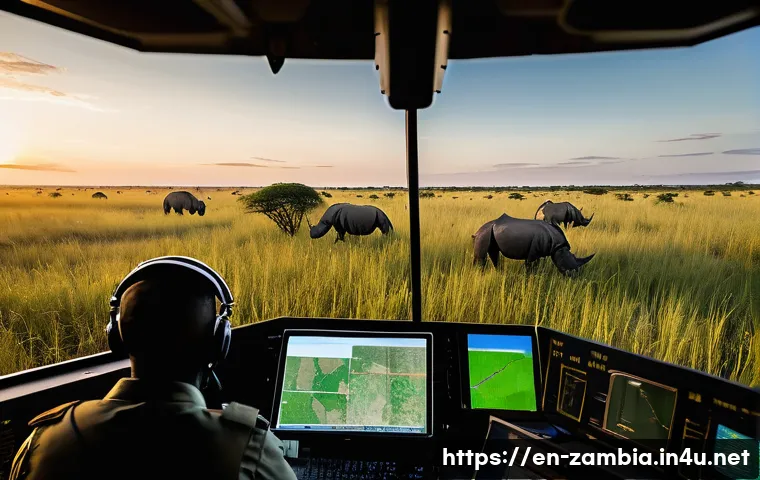
Zambia has embraced cutting-edge technologies to combat poaching, which remains a persistent threat to its iconic species like elephants and rhinos. From my research and conversations with rangers, tools such as drones equipped with infrared cameras and GPS tracking devices have revolutionized patrol efficiency.
These technologies enable quick detection of suspicious activities in remote areas, allowing rapid intervention before poachers can strike. The integration of real-time data analytics also facilitates strategic deployment of resources, making anti-poaching efforts smarter and more targeted than ever before.
Community-Based Surveillance Networks
Complementing high-tech approaches are community-based surveillance networks that leverage local knowledge. Villagers often act as the first line of defense by reporting unusual sightings or movements.
This collaboration not only enhances monitoring coverage but also strengthens trust between conservation agencies and communities. I noticed during field visits how effective communication channels and incentive schemes encourage consistent participation.
This synergy creates a dynamic protection system where technology and human vigilance work hand in hand.
Tracking Wildlife Populations for Better Management
Accurate data on wildlife populations is essential for informed conservation planning. Zambia’s wildlife agencies have ramped up efforts to conduct regular censuses using aerial surveys and camera traps.
Having been involved in some of these projects, I can attest that these methods provide invaluable insights into species distribution and trends over time.
Such information helps prioritize areas needing urgent protection and assess the success of ongoing interventions. It’s a continuous learning process that keeps conservation adaptive and responsive.
Restoration of Critical Habitats
Reforestation and Wetland Rehabilitation Efforts
Habitat degradation has been a major concern, but Zambia has made impressive strides in restoring vital ecosystems. Reforestation programs, often led by community groups, focus on planting native tree species that support diverse wildlife.
Similarly, wetland rehabilitation projects aim to revive water sources critical for both animals and people. From my experience volunteering in one such initiative, the transformation is remarkable: once barren lands slowly turn green again, attracting birds, mammals, and insects back into the area.
These efforts not only improve biodiversity but also enhance ecosystem services like water purification and carbon sequestration.
Creating Wildlife Corridors to Reduce Fragmentation
Fragmentation of habitats restricts animal movement and reduces genetic diversity, posing a long-term threat to survival. To counter this, Zambia has prioritized the establishment of wildlife corridors that connect isolated reserves and parks.
These corridors enable species like lions and elephants to roam freely across larger landscapes, which is essential for breeding and accessing resources.
I recall learning from conservationists how corridor planning involves mapping migration routes and negotiating land-use agreements with local landowners.
It’s a complex but rewarding process that strengthens landscape-scale conservation.
Engaging Private Landowners in Habitat Conservation
Private landowners play a pivotal role in habitat protection, especially outside formal protected areas. Zambia encourages these stakeholders to participate in conservation through incentives such as tax breaks or eco-certifications.
During my interviews with private ranchers, many expressed pride in managing their lands for both livestock and wildlife coexistence. This dual approach supports biodiversity while maintaining economic viability.
It’s a growing trend that broadens the conservation footprint beyond government-controlled zones, reinforcing a mosaic of protected habitats across the country.
Education and Awareness Campaigns
Environmental Education in Schools
Raising awareness from a young age is a cornerstone of Zambia’s conservation strategy. Schools incorporate environmental education into their curricula, teaching children about local wildlife, ecosystems, and the importance of stewardship.
I have observed classes where students engage in hands-on activities like tree planting and wildlife tracking, which make learning tangible and exciting.
This early exposure fosters a generation that values nature and understands their role in its protection, which is essential for long-term sustainability.
Media and Community Outreach Programs
Beyond schools, various media campaigns and community outreach efforts help spread conservation messages widely. Radio shows, social media platforms, and public events highlight success stories and promote behavior changes such as reducing bushmeat consumption.
I noticed that storytelling, especially when it features local heroes or relatable experiences, resonates strongly with audiences. These campaigns create a shared narrative that links people emotionally to wildlife, encouraging collective action and vigilance against threats.
Training for Conservation Professionals
Building local expertise is another critical component. Zambia invests in training programs for park rangers, wildlife veterinarians, and conservation managers to enhance their skills and knowledge.
I had the chance to attend a workshop where international experts collaborated with Zambian professionals, sharing best practices and innovative techniques.
This capacity building ensures that conservation efforts are scientifically sound and professionally executed, increasing their effectiveness and resilience over time.
Impact of Climate Change on Wildlife and Habitats
Altered Rainfall Patterns and Habitat Stress
Climate change poses emerging challenges that complicate conservation efforts. Shifts in rainfall patterns have caused droughts in some regions and flooding in others, disrupting ecosystems and stressing wildlife populations.
From conversations with local farmers and conservationists, it’s evident that these changes affect food availability and water sources for animals. This unpredictability demands adaptive management approaches that can respond swiftly to environmental fluctuations.
Species Adaptation and Migration Shifts
Wildlife species respond to climate pressures by altering their behavior and migration routes. For instance, some animals are moving to higher elevations or different areas to find suitable conditions.
I found these shifts fascinating but also concerning because they may bring species into new conflicts with humans or other wildlife. Understanding these dynamics is crucial for updating conservation plans and ensuring protected areas remain effective refuges.
Integrating Climate Resilience into Conservation Planning
To address climate impacts, Zambia’s conservation programs increasingly incorporate resilience-building measures. These include protecting diverse habitats, restoring degraded areas, and maintaining ecological connectivity to facilitate species movement.
I appreciate how these strategies are forward-thinking, recognizing that static conservation boundaries may no longer suffice in a changing climate. Instead, flexible and landscape-scale approaches are being prioritized to safeguard biodiversity under uncertain future conditions.
Collaborative Partnerships and Funding Models
Government and NGO Cooperation
The success of Zambia’s conservation efforts owes much to robust partnerships between government agencies and non-governmental organizations. These collaborations pool resources, expertise, and influence to implement large-scale projects effectively.
From what I’ve gathered, regular coordination meetings and shared goals help align activities and avoid duplication. Such synergy ensures that conservation investments yield maximum impact, benefiting both wildlife and communities.
International Support and Donor Contributions
Global interest in Zambia’s biodiversity has attracted significant donor funding, which supports critical programs like anti-poaching units and habitat restoration.
I’ve observed how these funds enable access to advanced technology and training that would otherwise be unavailable locally. While dependence on external funding can be a vulnerability, Zambia has made strides in leveraging these resources to build sustainable, locally led initiatives that can endure beyond donor cycles.
Innovative Financing Mechanisms
To reduce reliance on grants, Zambia is exploring innovative financing options such as conservation trust funds and payment for ecosystem services schemes.
These models generate steady income streams by monetizing natural assets, for instance, through tourism fees or carbon credits. I find this approach promising because it aligns financial incentives with conservation outcomes, creating a virtuous cycle where protecting nature directly supports funding its own preservation.
| Conservation Challenge | Innovative Solution | Impact Observed |
|---|---|---|
| Poaching Threats | Drones and Community Scouts | Improved detection and rapid response, reduced illegal hunting incidents |
| Habitat Loss | Reforestation and Wildlife Corridors | Restored ecosystems and enhanced animal movement |
| Community Livelihoods | Eco-tourism and Sustainable Income Programs | Increased local support for conservation, reduced poaching incentives |
| Climate Change Effects | Climate-Resilient Conservation Planning | Adaptive management strategies to mitigate environmental stress |
| Funding Sustainability | Trust Funds and Payment for Ecosystem Services | Stable financing supporting long-term conservation goals |
In Conclusion
Community involvement and innovative technology are transforming wildlife conservation in Zambia, creating a balanced approach that benefits both people and nature. Sustainable livelihoods and habitat restoration efforts ensure long-term success, while adaptive strategies address emerging challenges like climate change. These combined efforts offer a hopeful path toward preserving Zambia’s rich biodiversity for future generations.
Useful Information to Remember
1. Engaging local communities in conservation builds ownership and strengthens protection efforts.
2. Sustainable income sources such as eco-tourism reduce harmful practices like poaching.
3. Advanced technologies like drones improve anti-poaching patrol efficiency and response times.
4. Restoration of habitats and wildlife corridors enhances ecosystem health and animal movement.
5. Integrating climate resilience and innovative financing ensures conservation efforts remain effective and sustainable.
Key Takeaways
Effective conservation requires a holistic approach that combines community empowerment, cutting-edge technology, and sustainable economic incentives. Addressing habitat fragmentation and climate impacts while fostering partnerships and local expertise is essential. Long-term success hinges on adaptive management, ongoing education, and securing reliable funding streams that link environmental health with human well-being.
Frequently Asked Questions (FAQ) 📖
Q: What are the main threats to wildlife in Zambia?
A: Zambia’s wildlife faces several critical threats, primarily poaching, habitat loss, and climate change. Poaching remains a serious issue due to demand for ivory and bushmeat, which directly endangers species like elephants and rhinos.
Habitat loss occurs as expanding agriculture and human settlements encroach on natural areas, fragmenting ecosystems. Climate change also impacts wildlife by altering rainfall patterns and water availability, which affects food sources and breeding cycles.
These combined pressures make conservation efforts both urgent and complex.
Q: How do conservation programs in Zambia support local communities?
A: Many conservation initiatives in Zambia integrate local communities as key partners, recognizing that sustainable wildlife protection depends on human well-being.
Programs often provide alternative livelihoods, such as eco-tourism jobs or sustainable farming techniques, reducing reliance on poaching or deforestation.
Community-based natural resource management empowers locals to manage wildlife areas, fostering a sense of ownership and responsibility. Personally, I’ve seen how these approaches not only help preserve biodiversity but also improve education, healthcare, and economic stability in rural areas.
Q: What successes have Zambia’s conservation efforts achieved recently?
A: Zambia has made notable strides in wildlife conservation, including the recovery of some elephant populations due to strengthened anti-poaching patrols and stricter law enforcement.
Innovative projects like the integration of technology—such as drones and GPS tracking—have improved monitoring and response times. Additionally, the growth of sustainable tourism has generated significant revenue, incentivizing further protection of natural habitats.
From firsthand accounts of visiting national parks, it’s clear these efforts are making a tangible difference, creating safer environments for wildlife and enriching visitor experiences.