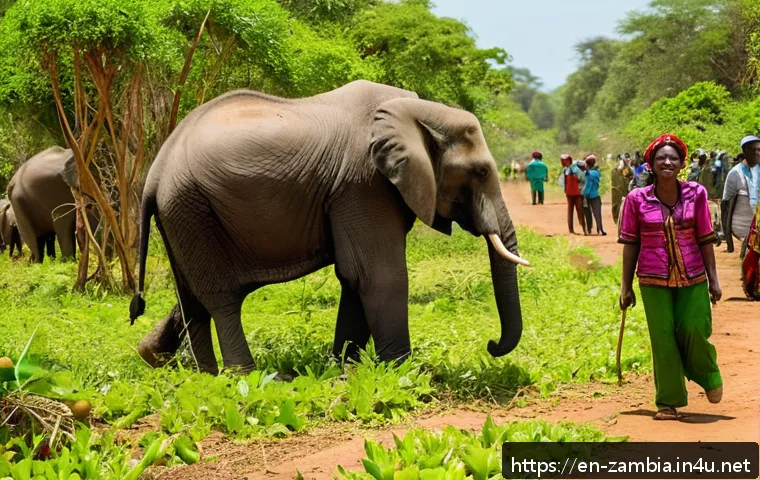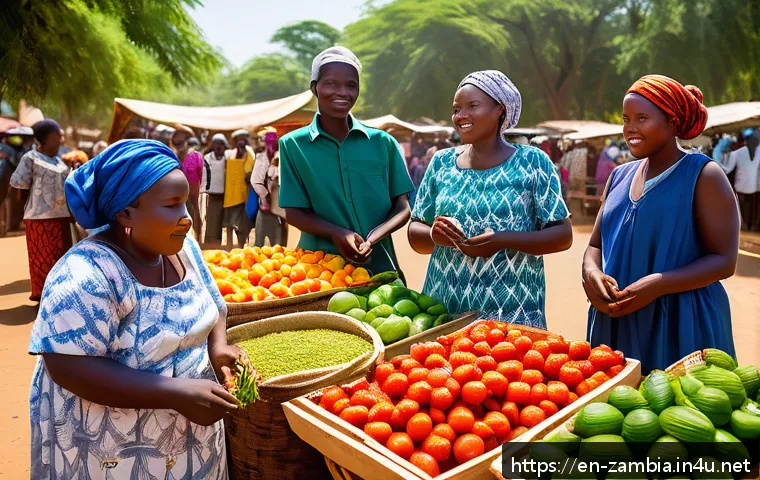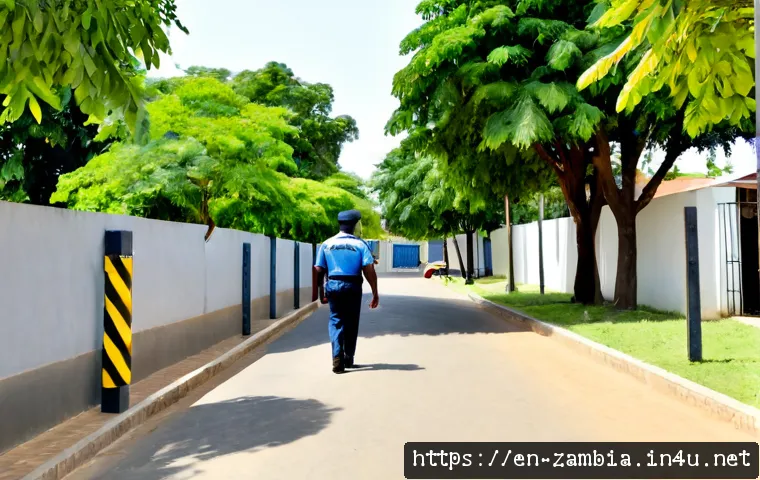
Zambia is generally manageable for prepared travelers, but petty theft, road conditions, remote travel, and late-night transport deserve practical planning.
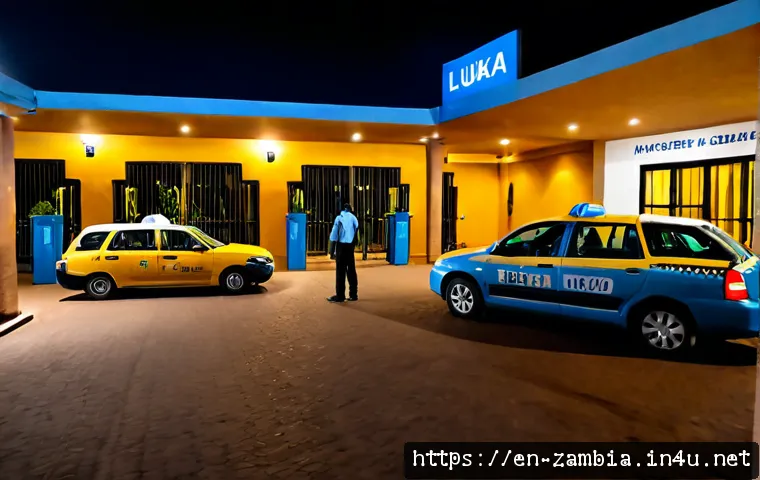
For many visitors, the safest choice is not necessarily the most expensive one—it is the option with clear support, verified arrangements, and a realistic plan for the route.
City stays, business trips, and safari holidays involve different risks, so transport and accommodation should be compared separately. Licensed transport, reputable accommodation, and established safari operators can reduce avoidable problems.
Travel insurance and airport transfer options are worth reviewing before booking, especially when a trip includes long road journeys or remote lodges.
Current entry, border, health, and local security information should always be checked through official sources before departure.
At a Glance
- City travel: Stay alert in busy areas, markets, transport hubs, and nightlife districts where opportunistic theft can occur.
- Road trips: Plan for variable road conditions, limited lighting, pedestrians or animals on roads, and long gaps between services.
- Safari areas: Arrange transport, fuel, communication, health needs, and emergency support well before leaving urban areas.
| Transport Option | Best For | Safety and Planning Considerations |
|---|---|---|
| Self-drive rental | Confident travelers with a flexible route | Requires daylight planning, fuel preparation, route awareness, and a communication backup for remote roads. |
| Private transfer | Airport arrivals, families, business visitors | Can reduce uncertainty when arranged through a reputable provider; confirm pickup details and support arrangements before paying. |
| Hotel-arranged transport | Short city stays and late arrivals | Useful when travelers want one confirmed point of contact between arrival and accommodation. |
| Guided tour or safari package | Remote parks, first-time visitors, multi-stop itineraries | May simplify transport, local logistics, and operator support; compare the itinerary and emergency planning carefully. |
Is Zambia a Safe Destination for Most Travelers?
The practical answer for city stays, business trips, and safari holidays
Zambia can be a practical destination for travelers who prepare for the type of trip they are taking. A hotel-based business visit in an urban area calls for different decisions than a self-drive route or a remote safari itinerary. The key is to match your transport, accommodation, and travel insurance to the level of independence and distance involved. Convenience and verified support often matter more than choosing the lowest-cost option.
Risks that require planning rather than panic
Petty theft and opportunistic crime can occur in busy urban areas, markets, transport hubs, and nightlife districts. Avoid displaying cash, phones, cameras, or other valuables unnecessarily. Road travel can also be demanding because conditions may vary, lighting can be limited, and pedestrians or animals may be on the road. These are manageable concerns when travelers avoid rushed decisions and keep a clear plan for where they are going.
Three actions to take before booking anything
First, compare licensed transport, hotel-arranged airport pickups, and private transfer providers instead of leaving arrival transport undecided. Second, review accommodation for practical security features and how easily it can assist with local transport or support. Third, check travel insurance wording for road travel, remote destinations, health needs, and emergency assistance. Entry rules, visas, border guidance, health recommendations, and security conditions can change, so confirm official information shortly before departure.
Compare Transport Options by Safety, Cost, and Convenience
Self-driving versus private drivers and hotel-arranged transfers
A self-drive rental can suit travelers who are comfortable planning routes, fuel stops, daylight travel, and communication backups. It also places more responsibility on the traveler when roads are unfamiliar or services are far apart. A private driver or airport transfer may be more suitable after a long flight, for late arrivals, or when traveling with children, equipment, or multiple bags. Hotel-arranged transport can be a straightforward option for visitors who want their accommodation to coordinate the arrival process.
When a guided safari package may offer better value
A guided safari package can be worth comparing when an itinerary includes remote lodges, park transfers, or several locations. The value is not only transport; it may also include route coordination, local logistics, and clearer operator support. This does not mean every guided option is automatically suitable. Compare how the operator handles transport changes, fuel planning, communication, health needs, and assistance in remote areas.
Questions to ask a transfer or tour provider before paying
Ask who will meet you, how pickup details are confirmed, and what happens if plans change. For longer travel, ask how the provider plans around daylight, fuel, rest stops, and limited services. For safari travel, ask what communication and emergency-support arrangements are in place. A reputable provider should be able to explain its process clearly without making unrealistic guarantees.
Reduce Theft and Personal-Security Risks in Cities
Managing cash, phones, passports, and cards
Carry only what you need for the day and keep important documents organized. Copies of passports and travel documents can be useful if originals are lost or unavailable. Avoid making cash, phones, cameras, or cards more visible than necessary, especially in crowded places. Keep your plans simple: know where you are going, how you will return, and who to contact if transport arrangements change.
Choosing safer times and places for walking
When moving around a city, consider the area, time of day, and how familiar you are with the route. If you are unsure about a walk, a licensed taxi, a confirmed private transfer, or hotel-arranged transport may be the more practical choice. Avoid assuming that a route that feels easy during the day will be equally straightforward late at night.
Common mistakes around markets, nightlife, and transport hubs
Common avoidable mistakes include displaying valuables, carrying more cash than needed, accepting unclear transport arrangements, and making last-minute plans after dark. Markets, nightlife districts, and transport hubs can be busy and distracting. Keep bags close, confirm transport before getting in, and avoid relying on vague pickup instructions.
Plan Road Trips and Safari Travel More Carefully
Daylight driving, fuel, route planning, and communication backups
Road travel needs more preparation than city travel. Conditions may vary, roads may have limited lighting, and long distances can separate travelers from fuel, accommodation, or other services. Plan routes with enough time to avoid unnecessary night driving where possible. Before leaving, confirm fuel arrangements, expected travel times, route details, and a way to communicate if plans change.
Why remote travel needs stronger insurance and emergency planning
Remote safari areas require advance planning for transport, fuel, communications, health needs, and emergency support. This is where travel insurance deserves close attention. Review the policy wording rather than assuming that all activities, remote locations, transport arrangements, or emergency needs are handled in the same way. If an itinerary has several remote transfers, compare insurance options before booking the final package.

Accommodation checks for lodges, camps, and remote properties
For lodges, camps, and remote properties, focus on practical questions. How will you arrive? What transport support is available? Who should you contact if your schedule changes? Can the property help coordinate onward travel? Reputable accommodation can make a remote itinerary easier to manage, but travelers should still keep their own copies of booking details and important contacts.
Safety Tips by Traveler Type
Solo travelers and first-time visitors
Solo visitors may prefer confirmed airport transfers, accommodation with clear contact details, and an itinerary that does not depend on uncertain late-night transport. Keep valuables discreet and avoid adding unnecessary complexity to arrival day. A guided day trip or established safari operator can be a useful comparison point if independent logistics feel unclear.
Families traveling with children
Families often benefit from fewer transport changes and a confirmed plan between the airport, hotel, lodge, or camp. Prioritize accommodation that can assist with transfers and choose daytime travel where possible. Keep documents, medication or health-related essentials, and communication details easy to access.
Business travelers with tight schedules and equipment
Business visitors may carry phones, laptops, cameras, or other equipment that should not be displayed unnecessarily. A pre-arranged private transfer or hotel-arranged pickup can reduce arrival-day uncertainty. Build extra time into road journeys, since variable conditions and long distances can affect tight schedules.
Safari travelers moving between parks and lodges
Safari guests should focus on the full chain of the trip: airport arrival, transfers, lodge coordination, remote transport, fuel, communication, and return travel. A guided safari operator may simplify that chain, particularly when moving between remote locations. Confirm who is responsible for each transfer instead of assuming every segment is automatically included.
Selection Criteria and Comparison Summary
Use these checks before making a final booking:
- Transport: Is the provider licensed or arranged through a reputable hotel or established operator?
- Arrival plan: Are pickup location, timing, contact details, and backup arrangements clearly confirmed?
- Accommodation: Can the property provide clear guidance on local transport and onward travel?
- Insurance: Does the policy wording match your road travel, safari, remote-area, and emergency-support needs?
- Route: Have you planned fuel, daylight travel, communication, and long distances between services?
- Current information: Have you verified official entry, border, health, visa, and security guidance before departure?
Budget transport can be sufficient for simple, familiar daytime journeys with clear arrangements. Private transfers, hotel-arranged transport, or guided travel may be worth comparing when arriving late, traveling with family, carrying equipment, or moving into remote safari areas. Check the provider’s official details and booking conditions on the relevant page before confirming.
Conclusion
Zambia travel safety is largely about choosing arrangements that fit the journey. Urban theft risks call for discretion, while road and safari travel call for more detailed logistics. Licensed transport, reputable accommodation, established tour operators, and suitable travel insurance can reduce avoidable uncertainty. Confirm current official requirements before departure, particularly if your plans include borders, remote areas, or changing travel dates.
Useful Information to Know
Keep document copies: Store copies of important travel documents separately from the originals.
Do not display valuables: Keep cash, phones, cameras, and cards out of sight when they are not needed.
Plan remote travel early: Fuel, communication, transport, and support arrangements are more important outside major urban areas.
Verify before departure: Visa, border, health, and security guidance may change.
Important Notes
This guide does not confirm current conditions in a particular neighborhood, town, border area, national park, hotel, or transport provider. It also cannot determine whether a specific insurance policy, driver, safari company, or accommodation meets your personal needs. Check current official advice and review provider terms directly before paying or traveling.
Frequently Asked Questions
Q1. Is Zambia safe for tourists and safari travelers?
A1. Zambia can be manageable for prepared tourists and safari travelers. Petty theft can occur in busy urban locations, while road and remote-area travel require stronger planning for transport, fuel, communication, health needs, and emergency support.
Q2. Is it worth paying extra for a private airport transfer in Zambia?
A2. A private airport transfer may be worth considering for late arrivals, families, business travelers, first-time visitors, or anyone who prefers a confirmed arrival plan. Compare the provider’s pickup process, contact details, and support arrangements rather than choosing only by price.
Q3. Should travelers rent a car or book a guided safari and driver in Zambia?
A3. A self-drive rental may suit travelers comfortable with route planning, variable roads, fuel preparation, and daylight driving. A guided safari and driver may be easier to compare for remote itineraries because it can combine transport coordination, local logistics, and operator support.