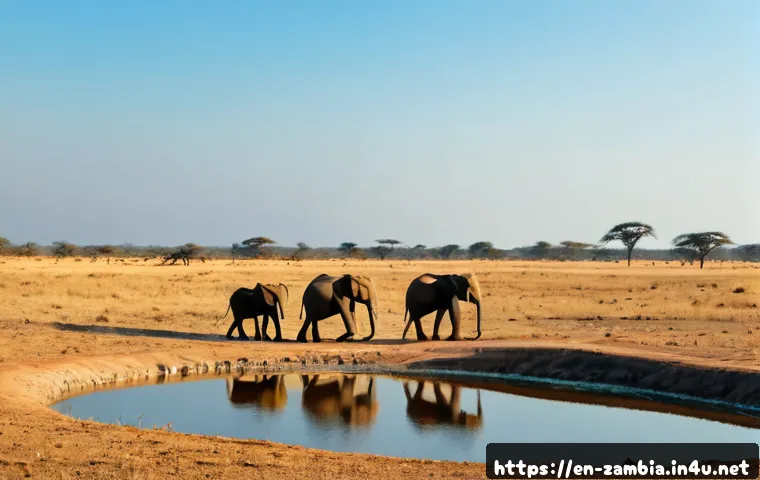
The best time to visit Zambia depends on whether you value easier wildlife viewing, greener scenery, cooler conditions, or lower-demand travel. For many safari-focused travelers, the dry months are simpler to plan, while the rainy season can suit flexible visitors who want lush landscapes and are prepared for changing road access.
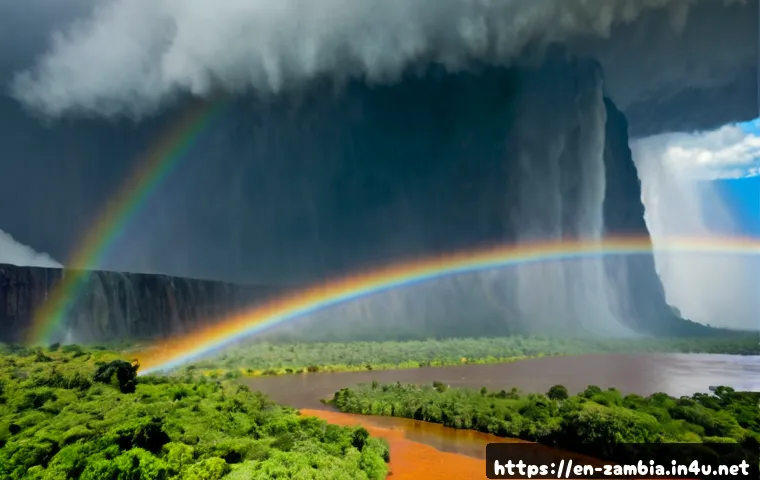
Zambia’s tropical climate is moderated across much of the country by elevation, so conditions are often less extreme than in lower tropical areas. The main rainy season generally runs from November to April, followed by a cooler dry period from May to August and a hotter dry stretch in September and October.
Seasonal timing also affects safari package availability, lodge demand, vehicle transfers, and the practical value of travel insurance. Before booking, match your route—not just your dates—to local weather, access, and the type of trip you want.
At a Glance
- For safari viewing: Dry-season conditions can make wildlife easier to spot around water sources in many safari areas.
- For green scenery: November to April usually brings rain, lush landscapes, and more variable road conditions.
- For travel planning: May to August is generally cooler and dry, while September and October are commonly the hottest months before the rains.
| Travel period | Typical conditions | Wildlife and scenery | Road access | Booking considerations |
|---|---|---|---|---|
| November to April | Rainy season; conditions can change quickly | Green landscapes and dramatic skies; wildlife viewing varies by location | Heavy rain may affect unpaved and remote routes | Compare lodge operations, transfer plans, cancellation terms, and insurance cover |
| May to August | Cooler, dry-weather period | Often a practical balance of comfort and safari access | Generally easier to plan than the wet season, but confirm each route | Accommodation demand may rise; compare safari packages early |
| September to October | Hot, dry conditions before seasonal rains | Strong potential for water-source wildlife viewing in many areas | Dry routes may be more straightforward, but heat changes daily comfort | Check room availability, vehicle transfers, and heat-ready camp facilities |
Zambia’s Climate at a Glance: The Best Season Depends on Your Trip
Zambia has a tropical climate, but elevation across much of the country generally softens temperatures compared with lowland tropical regions. That does not mean every destination feels the same. Rainfall, road conditions, and practical safari access can differ sharply between a city stay, Victoria Falls, a southern valley, and a remote camp.
The most useful question is not simply, “What is the best month?” It is, “What do I need my trip to do?” A traveler prioritizing predictable safari logistics may make a different choice from someone who wants green photography conditions or is trying to compare accommodation demand across seasons.
Quick Answer for Safari Travelers, Victoria Falls Visitors, and Budget-Focused Planners
Safari travelers who want easier wildlife viewing may prefer dry conditions, when animals can be easier to spot around water sources in many safari areas. Victoria Falls visitors should think about water levels alongside the rest of their itinerary, rather than choosing dates based on one activity alone. Budget-focused planners may find it useful to compare demand and package terms outside the most sought-after dry-season travel windows, while remembering that lower demand does not automatically mean easy access everywhere.
If your route includes remote lodges, unpaved roads, or self-drive sections, seasonal access deserves as much attention as weather comfort. A good-looking itinerary can become inconvenient if a transfer, camp, or road operates differently during heavy rain.
The Three Broad Weather Periods to Know Before Booking
November to April is the main rainy season. It can bring green landscapes, rain-related travel trade-offs, and variable access on unpaved routes. May to August is generally the cooler dry period, often attractive for travelers who want more comfortable daytime planning and simpler ground logistics. September and October are commonly the hottest months before the seasonal rains begin, making shade, hydration planning, and accommodation comfort more important.
These are broad planning periods, not fixed promises. The first and last rains, day-to-day conditions, and local road access vary by year and location.
Seasonal Comparison: Rain, Heat, Wildlife Viewing, and Travel Value
The seasonal choice comes down to trade-offs. Dry weather may support easier movement and wildlife-focused plans, while rainy months can reward travelers who value scenery and can keep their schedule flexible. The right value is not always the lowest advertised package; it is the option that includes the access, transport, and flexibility your itinerary needs.
November to April: Green Landscapes and Rainy-Season Trade-Offs
The rainy season usually transforms Zambia into a greener landscape. For photographers, changing light, dramatic skies, and fresh vegetation can be a real draw. For travelers whose plans are centered on cities or fixed accommodation, rain may be manageable with sensible packing and flexible daily expectations.
The main caution is access. Heavy rain can affect roads, especially unpaved routes and travel to remote locations. Do not assume that every park, camp, or transfer follows the same wet-season schedule. When comparing safari operators or lodge packages, ask whether the stated itinerary is workable in rainy conditions and how transport changes if a route is affected.
This period can also be suitable for travelers willing to compare lower-demand dates, but availability and pricing vary by provider. Focus on the complete offer: room type, transfers, meals where relevant, activity inclusions, and cancellation conditions.
May to August: Cooler Dry-Weather Conditions
From May to August, Zambia generally moves into a cooler, dry period. This can be a comfortable time for a mixed itinerary that combines a safari, Victoria Falls, and city stays. Dry conditions can also make planning ground transport less complicated than during periods of heavy rain, though every route still needs confirmation.
For first-time safari visitors, this period may offer a useful balance between weather comfort, wildlife planning, and operational simplicity. Morning and evening conditions can feel cool, so packing only warm-weather clothing is a common mistake. Bring layers that work for early starts, open vehicles, and cooler camp mornings.
Because dry-season travel can be attractive to safari planners, compare lodge availability and package details before committing. A higher-priced option may be worthwhile if it has better transfer coordination, clearer cancellation terms, or a route that fits your preferred parks.
September to October: Hot Weather and Strong Water-Source Wildlife Viewing
September and October are commonly Zambia’s hottest months before the rains arrive. In many safari areas, dry conditions may make wildlife easier to spot around water sources. That can be a strong reason to travel during this period if animal viewing is your leading priority.
Heat is the important trade-off. Plan for strong sun, warm daytime conditions, and the need for regular water, breathable clothing, and sun protection. When selecting accommodation, consider practical features such as shaded common areas, the timing of game drives, and the reliability of planned transfers rather than relying only on photos.
This is also a season when popular safari options may require more advance comparison. Check what each package includes and whether the operator’s vehicle, guide schedule, and camp location match your comfort level in hot conditions.
Comparison Table: Comfort, Access, Scenery, Demand, and Likely Trip Costs
| Decision factor | Rainy season: November to April | Cooler dry period: May to August | Hot dry period: September to October |
|---|---|---|---|
| Daily comfort | Rain-ready planning is useful | Cooler conditions generally suit layered clothing | Heat and sun protection become a priority |
| Wildlife focus | Conditions vary by area and itinerary | Often practical for a broad safari plan | Water-source viewing can be strong in many safari areas |
| Landscape priority | Green and lush | Drier seasonal appearance | Dry, hot pre-rain conditions |
| Transport planning | Confirm unpaved-road and remote-camp access | Confirm route details, especially outside main corridors | Confirm vehicle comfort and transfer timing in heat |
| Cost comparison | Compare demand, inclusions, and flexible booking terms | Compare availability and safari package value | Compare demand, lodge comfort, and included transfers |
Regional Differences That Can Change Your Itinerary
A national weather label is useful only as a starting point. Zambia’s rainfall patterns vary across the country, and the difference matters when your trip includes multiple regions. Build your route around the specific places you will sleep, drive, and take flights—not around a single countrywide forecast.
Higher-Rainfall Northern and Western Areas
Northern and western areas generally receive more rain than drier southern valleys. During the rainy season, this can make route planning especially important for travelers using unpaved roads or visiting remote properties. Ask local providers about current access, expected transfer arrangements, and whether the lodge is operating normally for your intended dates.
For a fly-in itinerary, confirm flight schedules and baggage rules directly with the relevant provider. For a road-based itinerary, ask whether a standard vehicle is suitable or whether the route has seasonal limitations.
Drier Southern Regions and Valley Conditions
Southern areas and valleys can be drier than higher-rainfall parts of Zambia, but that does not remove the need to check local conditions. Heat may become a more significant comfort issue in the hot dry period, particularly for travelers spending long hours outdoors or in vehicles.
A practical itinerary allows for breaks, early activity starts, and accommodation that suits the season. If you are comparing self-drive rentals, focus on the vehicle’s suitability for your exact route rather than choosing only by price.
Victoria Falls Water Levels Versus Safari Priorities
Victoria Falls planning can pull travelers toward a different seasonal emphasis from a wildlife-first safari. Water conditions and the wider travel experience should be considered together. If Victoria Falls is one part of a longer Zambia itinerary, decide whether your non-negotiable priority is the falls, wildlife viewing, green scenery, or easier road-based travel.
There is no universal “best” combination. A balanced plan may involve choosing a route with fewer long road sections, booking flexible transfers, or accepting that one part of the itinerary will be less ideal than another.
Planning Mistakes to Avoid When Booking Around the Weather
Seasonal planning is less about finding a perfect date and more about avoiding preventable mismatches. A few checks before payment can protect your time, comfort, and transport budget.

Assuming Every Park and Road Has the Same Wet-Season Access
Heavy rain can affect road access, especially on unpaved routes and in remote locations. Do not treat a countrywide dry or rainy label as a guarantee for every national park, camp, or transfer. Ask the safari operator or lodge what access looks like for your dates and what happens if weather disrupts the planned route.
Underpacking for Cool Mornings, Strong Sun, or Sudden Rain
Pack for the season you expect and the conditions that can surprise you. During the cooler dry period, include light layers for early mornings and evenings. In September and October, make sun protection, breathable clothing, and water planning central to your packing. In the rainy season, carry rain-ready outerwear and protect cameras, phones, and documents from moisture.
Footwear should match your activity plan. A city-focused trip, a lodge-based safari, and a self-drive route do not have identical needs.
Booking Flights, Transfers, and Remote Camps Without Checking Seasonal Operations
Flight schedules, lodge operations, park accessibility, and transfer availability should be confirmed with current local providers. This is especially important if a remote camp is essential to your itinerary. Check arrival times, onward transport, luggage restrictions where applicable, and the provider’s policy for weather-related changes.
Travel insurance can be worth comparing for its practical terms, including trip interruption, delay, medical assistance, and activity-related coverage where relevant. Coverage varies, so read the policy wording rather than assuming all plans protect the same situations.
Trip Planning by Travel Style
Your travel style should guide the season selection. The same month can be excellent for one traveler and inconvenient for another.
First-Time Safari Visitors Seeking Easier Wildlife Viewing
First-time visitors who want a straightforward safari experience may lean toward the dry season. Wildlife can be easier to spot around water sources in many safari areas, and dry weather can simplify ground logistics. Compare operators by guiding approach, transfer details, park access, accommodation location, and what is included in the safari package.
Keep expectations realistic: wildlife sightings cannot be guaranteed in any season or national park.
Photographers Looking for Lush Landscapes and Dramatic Skies
Travelers who prioritize landscape photography may appreciate the rainy season’s green scenery and changing skies. The trade-off is a greater need for adaptable plans, weather protection for equipment, and confirmation of road access. A lodge-based itinerary with fewer long overland transfers can reduce weather-related stress.
Budget-Conscious Travelers Comparing Shoulder-Season Value
If you are focused on value, compare the complete cost of the trip rather than the room rate alone. Look at safari activities, internal flights or vehicle transfers, meals, cancellation flexibility, and any extra nights needed to protect connections. Lower demand may create useful options, but it may also coincide with reduced operations in some remote areas.
A flexible date range can help you compare accommodation and safari package choices without assuming that one season is always cheaper.
Self-Drive and Remote-Area Travelers Assessing Road and Vehicle Needs
Self-drive travelers need a more cautious seasonal approach. Road conditions can change with rain, and remote routes may require different planning from city-to-city travel. Confirm current road conditions locally, choose a vehicle appropriate to the route, and avoid building an itinerary that depends on tight timing.
For remote areas, compare vehicle transfers with self-drive options. A transfer may be the more practical choice if weather uncertainty, navigation, or road access would make the route stressful.
Selection Criteria and Comparison Summary
Choose the dry season when easier wildlife viewing, more predictable travel conditions, and simpler safari logistics matter most. Choose the green season when lush scenery, rain-tolerant plans, and potentially lower-demand travel matter more. Before booking, compare these points:
- Route access: Is every road, park, and remote camp practical for your dates?
- Safari package inclusions: Are guiding, transfers, activities, meals, and park arrangements clearly stated?
- Accommodation fit: Does the lodge location suit your wildlife, Victoria Falls, or city itinerary?
- Flexibility: What are the cancellation and weather-change terms?
- Transport: Are flights or vehicle transfers operating on the schedule your trip requires?
- Travel insurance: Does the policy wording fit your route, activities, and connection risks?
Compare safari operators, lodges, vehicle transfers, and travel-insurance coverage on their relevant pages before making a final booking decision.
Final Thoughts
Zambia’s climate offers distinct travel experiences rather than one universally best season. The cooler dry period can be appealing for comfortable travel, while the hotter dry months may suit wildlife-first itineraries and the rainy season can reward flexible travelers with green landscapes. Build your dates around the places you most want to visit and the access conditions they require. A well-matched itinerary is usually more valuable than chasing a single “perfect” month.
Useful Information to Know
1. Rainfall patterns differ across Zambia, with northern and western areas generally receiving more rain than drier southern valleys.
2. Remote travel requires more seasonal checking than a city-based stay.
3. Pack layers for cooler dry-season mornings, rain protection for wet months, and strong sun protection for September and October.
4. Wildlife viewing conditions can improve around water sources during dry periods, but sightings are never guaranteed.
Important Notes
Exact temperatures, rainfall totals, and the timing of first or last rains vary by location and year. Road conditions, lodge operations, park access, and flight schedules should be confirmed with current local providers. Visa, vaccination, insurance, and border-entry rules depend on your passport and current regulations, so verify official requirements before travel.
Frequently Asked Questions
Q1. What is the best time to visit Zambia for a safari?
A1. For many travelers, the dry period is appealing because wildlife can be easier to spot around water sources in many safari areas. May to August is generally cooler and dry, while September and October are commonly hotter and may suit travelers who prioritize water-source wildlife viewing. The best timing still depends on the specific park, lodge, and travel route.
Q2. Is Zambia’s rainy season suitable for a first-time visitor?
A2. It can be suitable for a first-time visitor who is comfortable with rain, flexible plans, and possible changes to remote-road access. It is often better to use a lodge-based itinerary with confirmed transfers than to assume every park or unpaved route will be easy to reach. Green landscapes can be a major advantage during this period.
Q3. When should travelers book lodges and safari packages to balance weather, availability, and cost?
A3. Compare dates once you have identified your main priority: wildlife viewing, Victoria Falls, photography, comfort, or a flexible-value trip. For dry-season travel, check lodge and safari package availability early. For rainy-season or shoulder-period travel, compare operating schedules, road access, transfer arrangements, and cancellation terms before booking.